Design and Application Scenarios of Ice Cold Storage
Designed for durability, reducing maintenance needs and downtime
Design and Application Scenarios of Ice Cold Storage
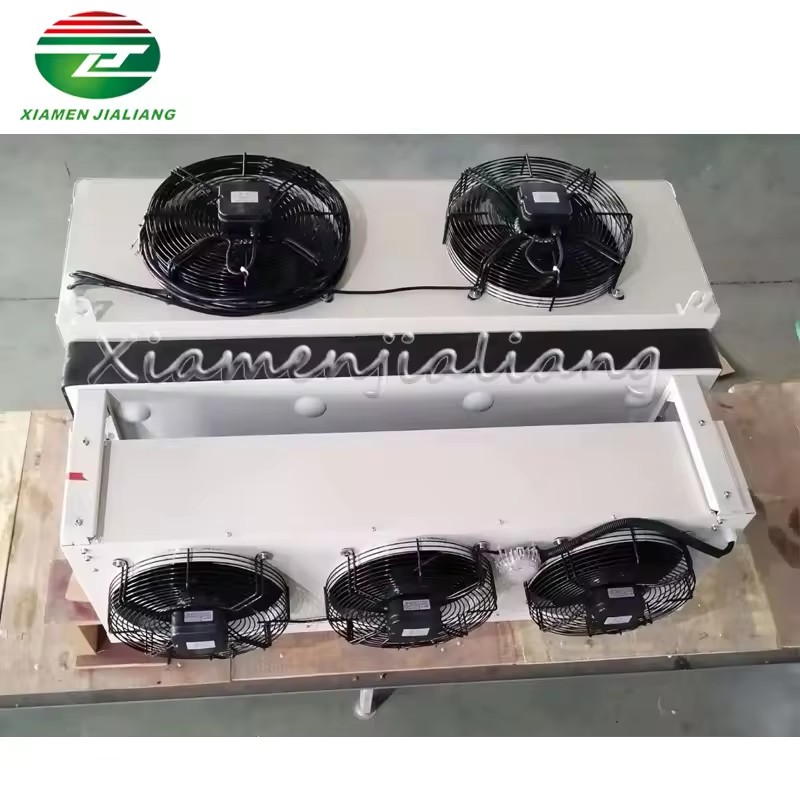
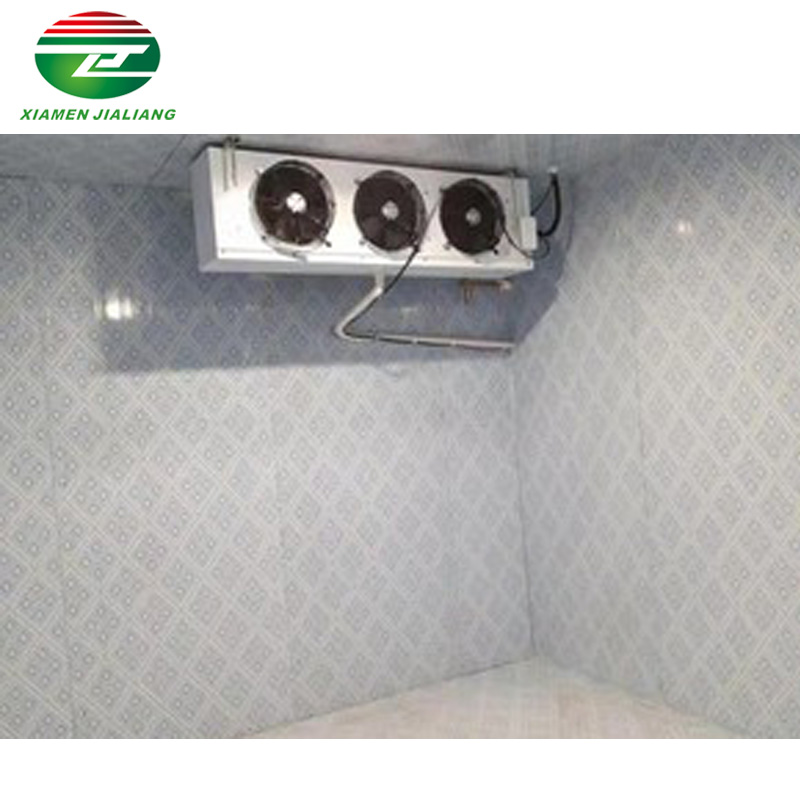
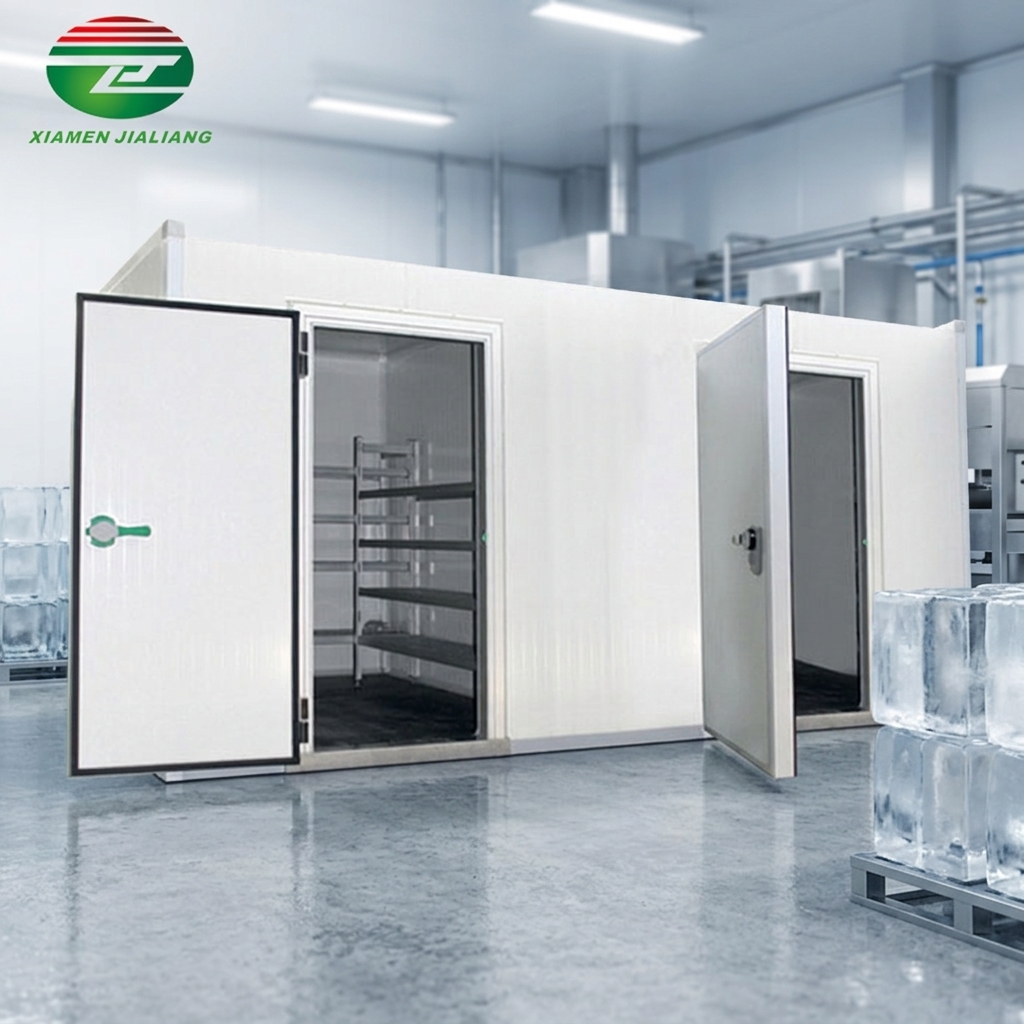
Ice cold room is a specialized low-temperature storage facility used for long-term storage of ice cubes. It mainly relies on large refrigeration units to maintain a constant low-temperature environment inside the warehouse. The temperature is usually controlled within the range of minus 8 ℃ to minus 18 ℃ to avoid melting and loss of stored ice cubes. This type of cold room is widely distributed to ice production plants, seafood wholesale markets, large fresh e-commerce storage centers, and food processing enterprises that require a large amount of ice in summer. According to usage needs, it can be designed and built with different scales, ranging from small reserve warehouses of tens of cubic meters to large turnover warehouses of tens of thousands of cubic meters, which can stably guarantee the long-term storage and staggered supply of ice.
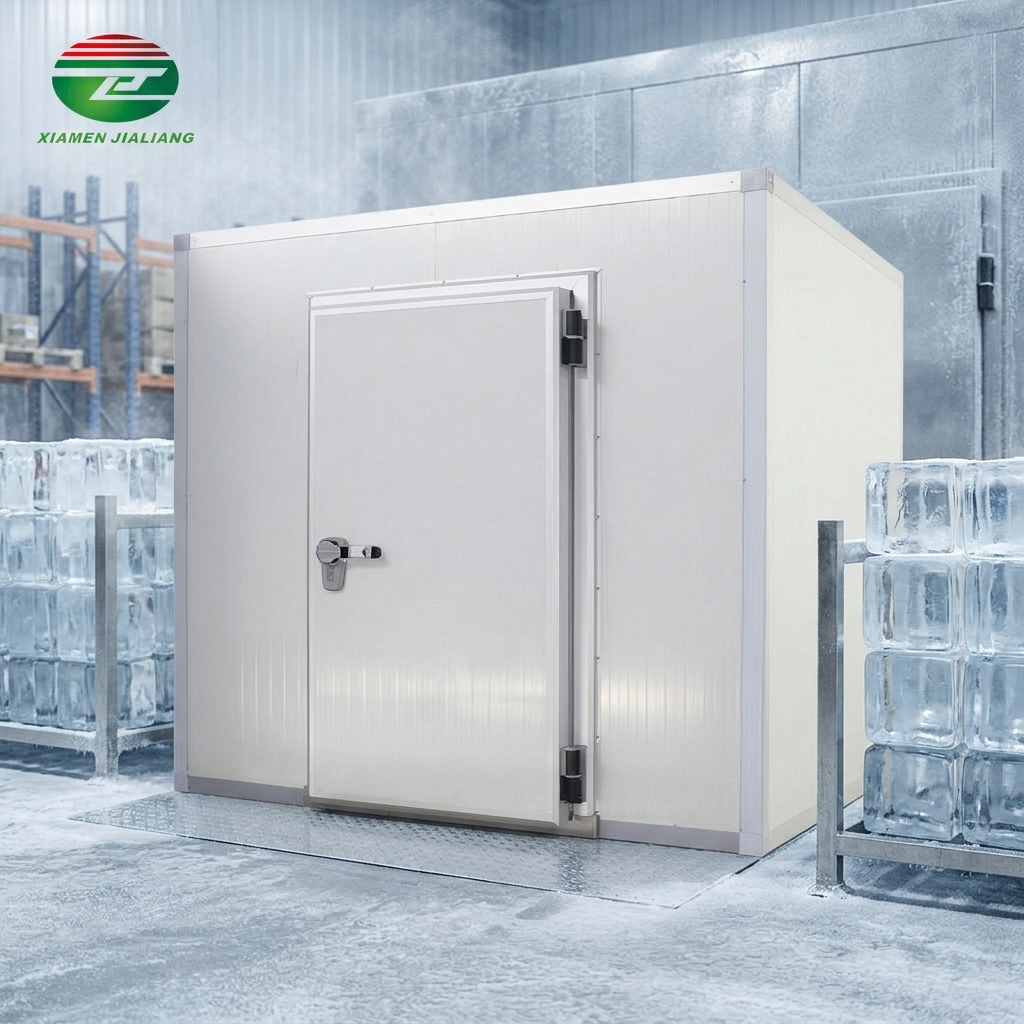
Compared with conventional fresh-keeping cold rooms, ice cold rooms have more stringent requirements for thermal insulation. The warehouse body is generally constructed with thick flame-retardant polyurethane insulation boards, and the joints of the boards are sealed and foamed to minimize the intrusion of external heat into the warehouse. This can not only reduce the operating energy consumption of the refrigeration unit, but also ensure that the temperature inside the warehouse remains stable. In terms of ice storage and retrieval solutions, ice cold storage can be designed as a channel type cold storage suitable for manual handling and retrieval according to actual turnover needs, or as a high-level three-dimensional cold storage suitable for automated lifting and shelf storage.
Scenarios for using ice cold rooms
The most common use of ice cubes is for food preservation and cooling, so the first core application scenario of ice cube cold rooms is to cooperate with the food industry supply: in seafood fishing and offline wholesale links, a large amount of ice cubes are needed to cool and preserve fresh seafood. Ice cube cold rooms can store pre produced ice cubes and slices in advance to ensure that bulk supply during peak seasons will not run out of stock; Large meat and vegetable processing enterprises also need to use ice to cool down the processing environment and raw materials during summer production and processing. Pre stored ice cubes in ice cold storage can meet the demand for off peak ice use.
In addition to the food industry, ice cold rooms also serve the cold chain logistics industry. When transporting fresh produce, vaccines, and other goods that require temperature control over long distances across regions, ice storage cold chain boxes are often used. The ice stored in the ice cold storage is a stable reserve warehouse for such ice storage resources, which can ensure timely transportation and replenishment of ice sources. In addition, in some chemical production and engineering project cooling scenarios, a large amount of ice cubes are also needed, and this demand often fluctuates seasonally. Storing ice cubes in dedicated cold storage in advance can meet the sudden large-scale ice demand.
Key points for the design and construction of ice cold storage
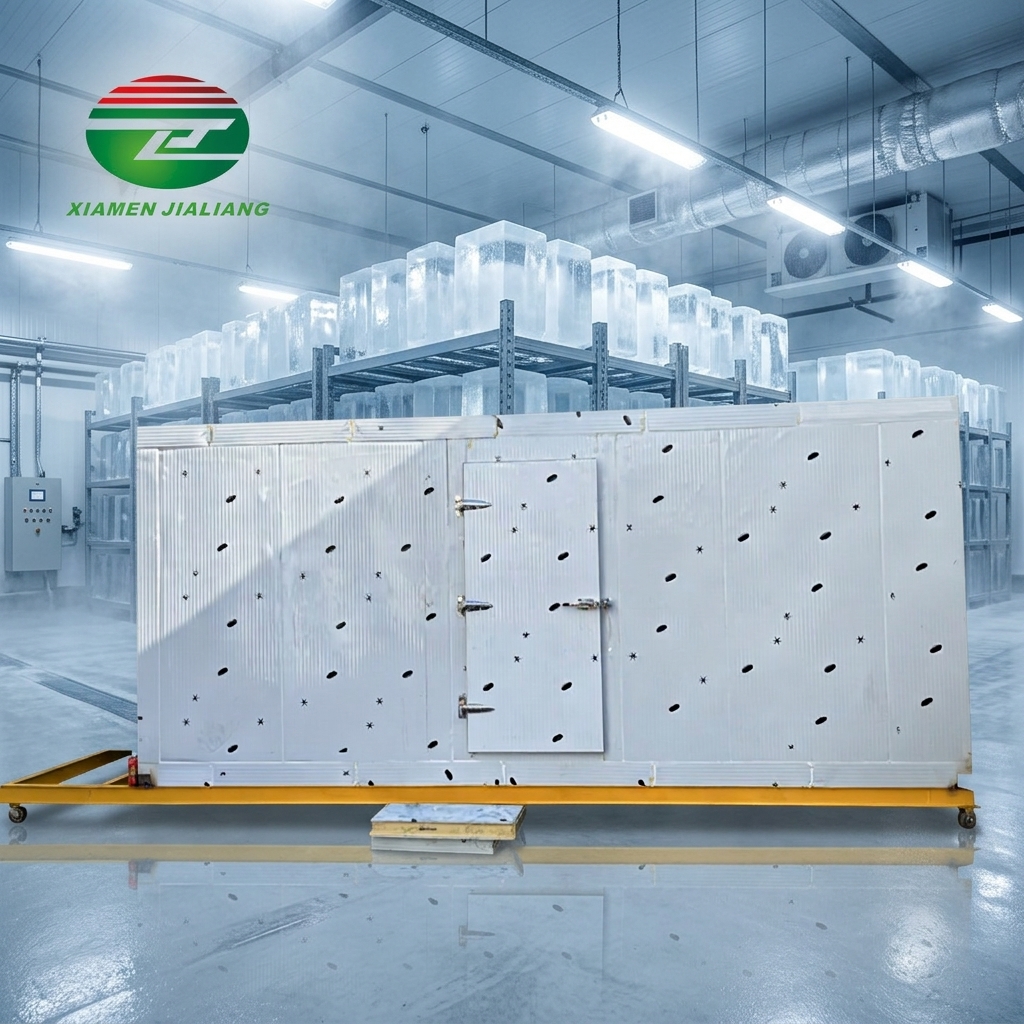
When building an ice cold storage, the insulation process design of the storage body should be given top priority. In addition to using thick insulation boards to build the storage body, it is also necessary to complete the sealing and insulation treatment of the joints between the cold storage foundation, walls, and roof to prevent cold air leakage caused by the cold bridge effect.
Secondly, according to the overall scale of the cold storage, suitable power refrigeration units should be matched, and a certain amount of power redundancy should be reserved to avoid insufficient cooling capacity to maintain the required low temperature environment in the warehouse when the ambient temperature is high in summer. At the same time, it is necessary to plan the channels and storage locations in the warehouse reasonably based on the turnover frequency of ice storage. If it is an ice storage warehouse with a high turnover frequency, special anti slip flooring treatment should be carried out to avoid ice melting and dripping, which may make the ground slippery and threaten the safety of daily operations.
In addition, it is necessary to design the drainage system of the cold storage well. Due to the small amount of melting and dripping water generated during the storage of ice cubes, it is necessary to set up a drainage slope and drainage floor drain with a reasonable slope inside the warehouse to timely discharge the accumulated water outside the warehouse and avoid freezing the floor and damaging the insulation structure caused by the accumulated water inside the warehouse. Finally, it is necessary to install precise temperature automatic monitoring and alarm devices to monitor temperature changes in the warehouse in real time. Once an abnormal temperature exceeds the control range, an alarm can be issued in a timely manner to remind the staff to troubleshoot and avoid large-scale melting of stored ice causing losses.
For more information, please visit www.coldroomjl.com