- Open Type Semi-hermetic Condensing Unit
Cooling Refrigeration Equipment Open Type
- Get A Quote
- Description
- Features
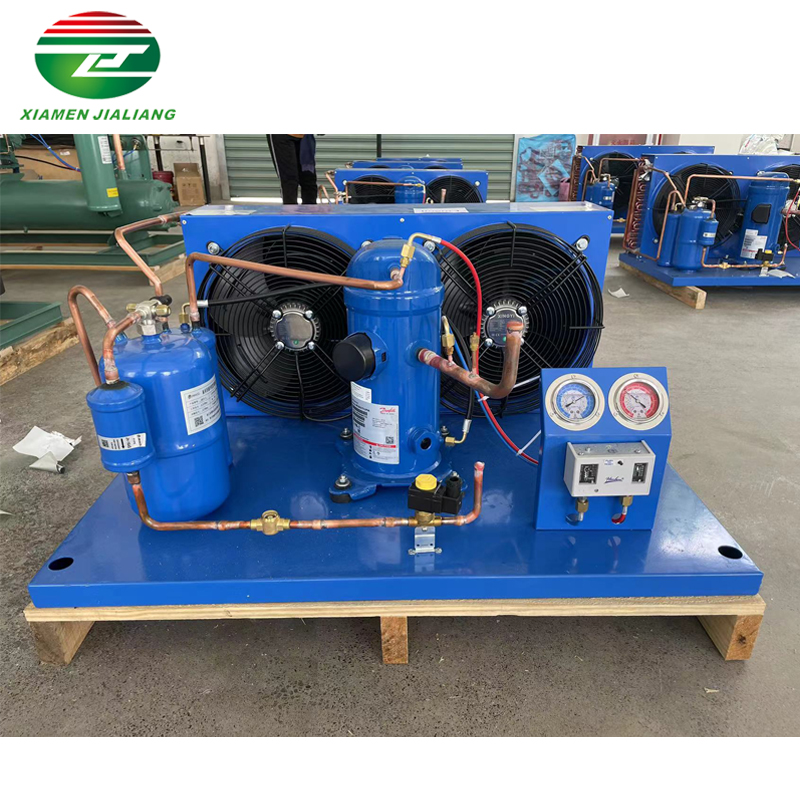
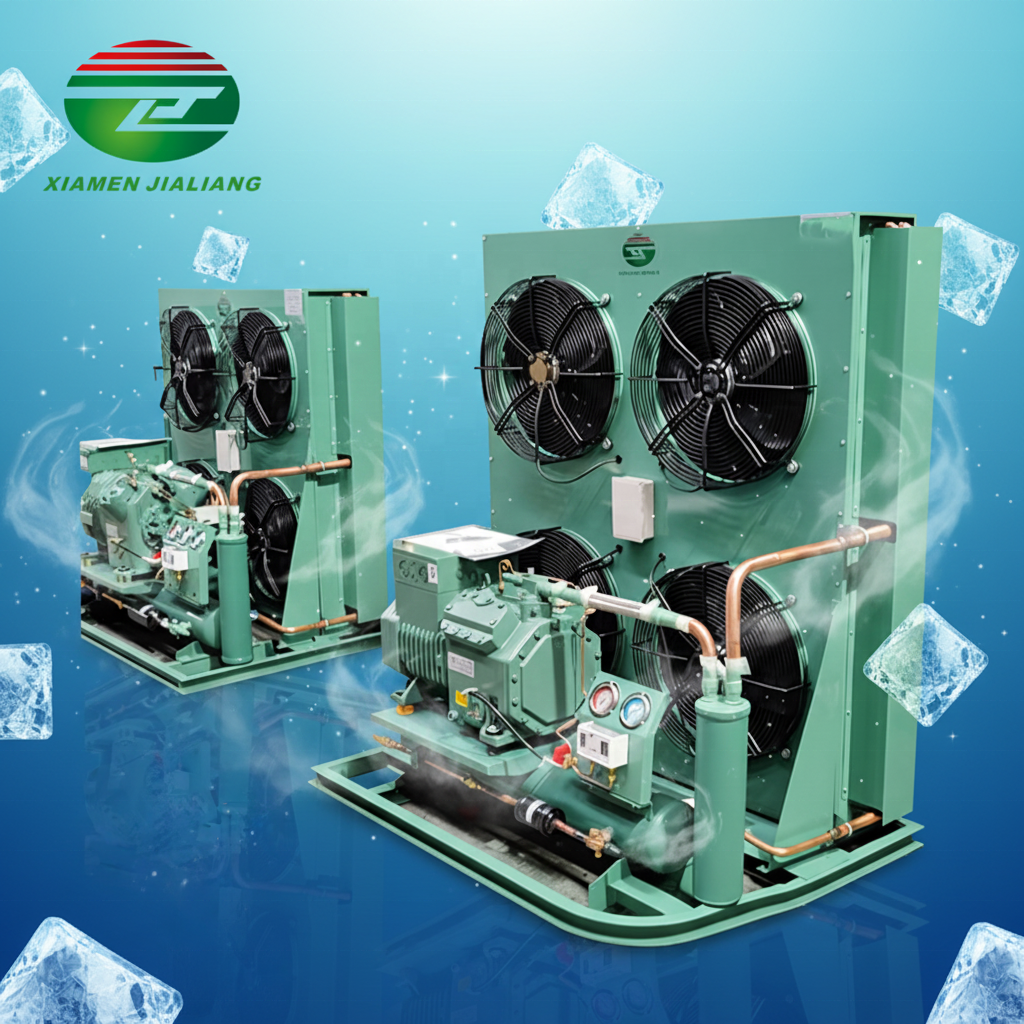
Open Type Semi-hermetic Condensing Unit
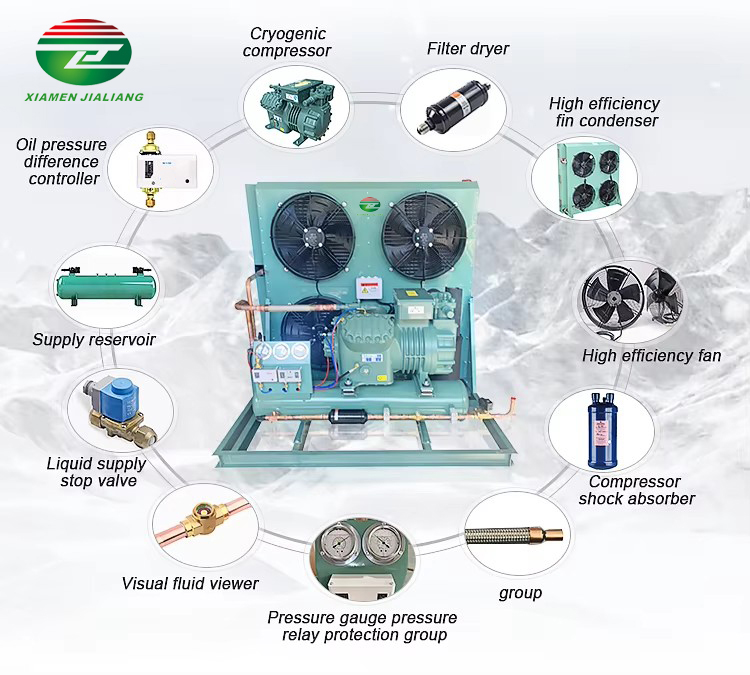
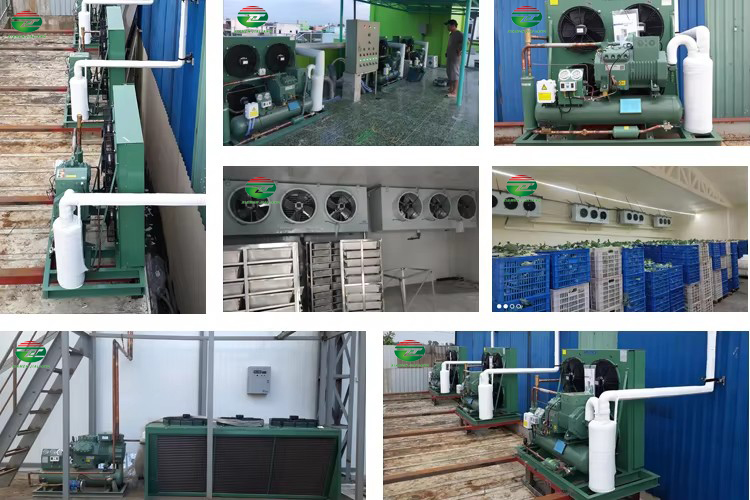
Condensing unit is the core equipment in refrigeration and freezing systems that compresses and delivers refrigerant vapor. It mainly consists of components such as compressors, condensers, fans, expansion valves, and electronic control devices. Through forced heat exchange, the heat carried by the compressed refrigerant is dissipated to the environment, causing the refrigerant to cool and condense into a liquid state, providing necessary pressure and temperature conditions for the entire refrigeration cycle. According to different application scenarios and refrigeration scales, it can be divided into two categories: air-cooled and water-cooled, widely used in food preservation, industrial production temperature control, commercial cold chain and other fields. Its operating efficiency directly affects the energy consumption and temperature control stability of the entire refrigeration system.
| Type | Horse Power | Voltage Range | Current (400V) | Compressor Type |
| 2DES-2Y | 2 HP | 380-420V | 4.35 A | Semi-hermitic |
| 4FES-3Y | 3 HP | 380-420V | 6.21 A | Semi-hermitic |
| 2CES-4Y | 4 HP | 380-420V | 7.10 A | Semi-hermitic |
| 4TES-12Y | 12 HP | 380-420V | 16.55 A | Semi-hermitic |
| 4HE-18Y | 15 HP | 380-420V | 22.6 A | Semi-hermitic |
| 4GE-30Y | 30 HP | 380-420V | 35.4 A | Semi-hermitic |
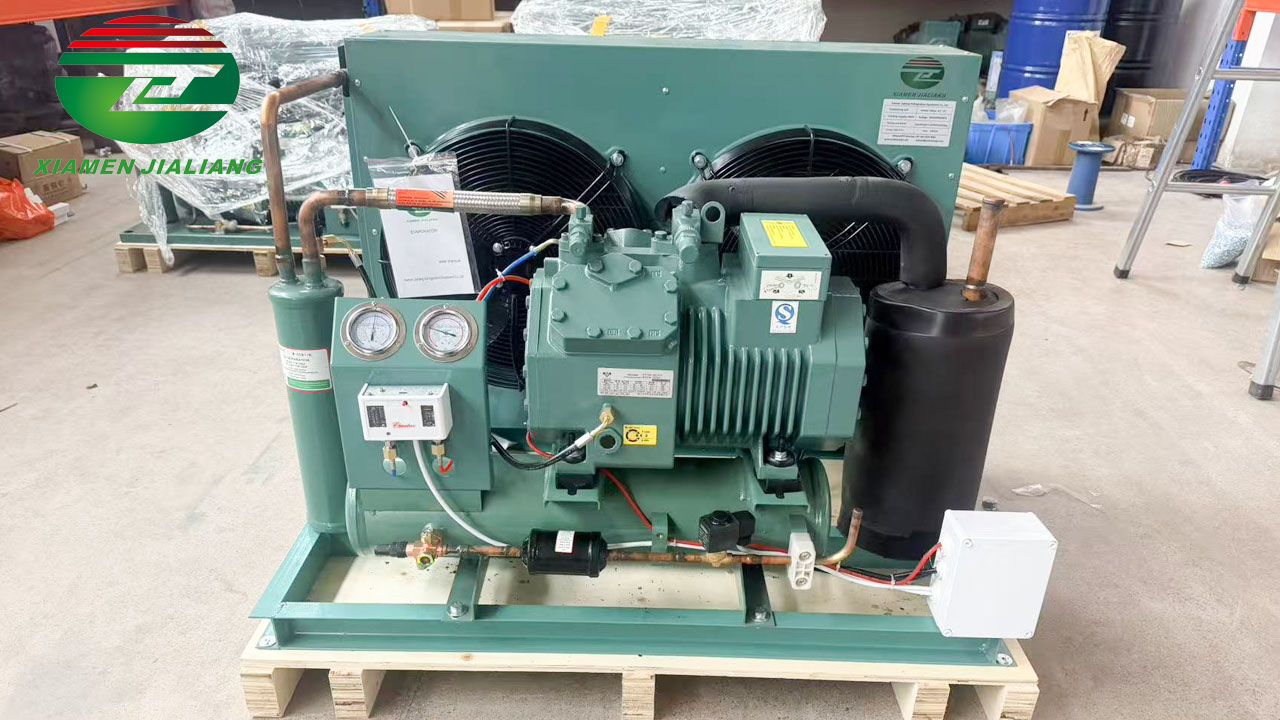
Air cooled and water-cooled
The core difference between the two types of condensing units lies in the different heat dissipation methods:
The air-cooled type relies on the fan to drive the ambient air flow to take away the heat of the condenser, without the need for auxiliary water system facilities such as cooling towers and cooling water pumps. It is easy to install and move, has no requirements for water sources, and is more suitable for water shortage, water resource control, and small and medium-sized decentralized refrigeration scenarios. The disadvantage is that the heat transfer efficiency is greatly affected by the ambient temperature. In summer, the condensation pressure is higher in high-temperature environments, and the overall energy consumption is higher than that of the water-cooled type, and the operating noise is also greater.
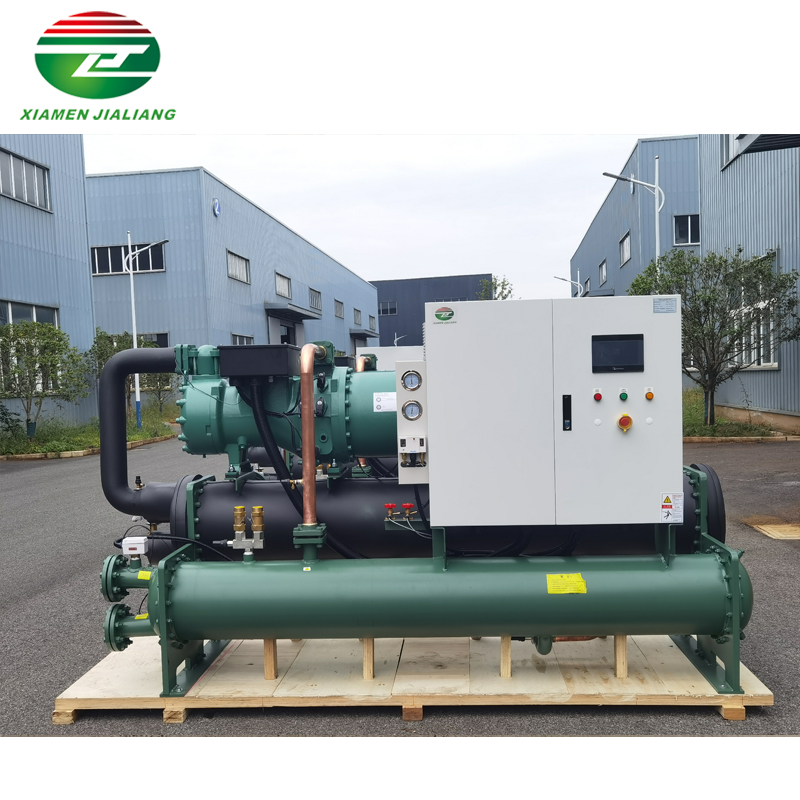
Water cooling relies on cooling water to take away the heat from the condenser, resulting in more stable heat transfer efficiency, less impact from environmental temperature fluctuations, higher overall refrigeration efficiency, lower operating noise, and is more suitable for large and medium-sized centralized refrigeration projects. However, it requires the construction of supporting cooling water pipelines and circulating water systems, which increases installation complexity and initial investment. Regular maintenance of water treatment facilities is also required to avoid scaling and consume more water resources. In actual selection, it is necessary to make a comprehensive judgment based on the project site conditions, scale, energy consumption indicators, and maintenance costs.
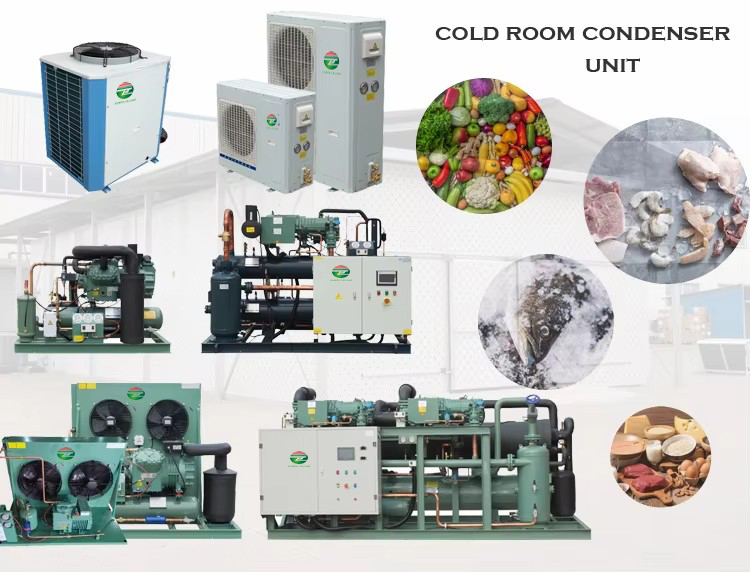
Applications of Condensing Units
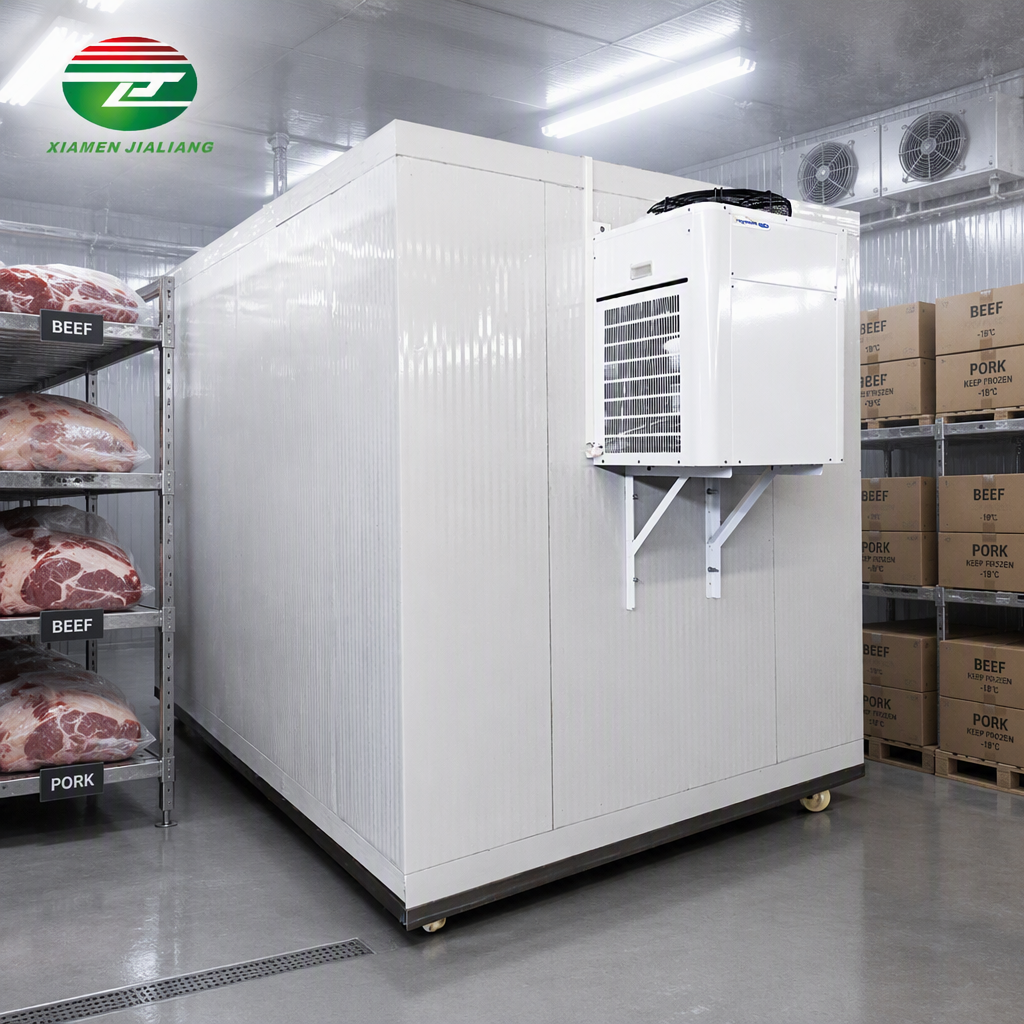
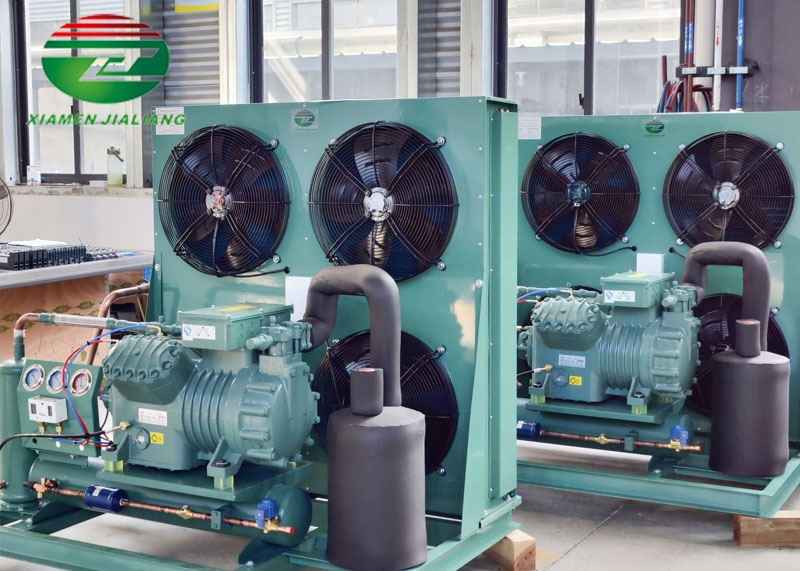
Condensing units are available in various models suitable for different sizes and evaporating temperature ranges, ranging from small applications like freezers, display cabinets, and water coolers to large-scale applications such as commercial refrigerators, hospitals, restaurants, and industrial manufacturing plants.
Where and How to Install Condensing Units?
In refrigeration systems, the condensing unit is installed separately from the evaporator. For air conditioning, the condensing unit is typically installed outdoors and cools the circulating refrigerant fluid through external ventilation. Furthermore, the condensing unit is isolated from the indoor environment, minimizing the impact of noise on residents.

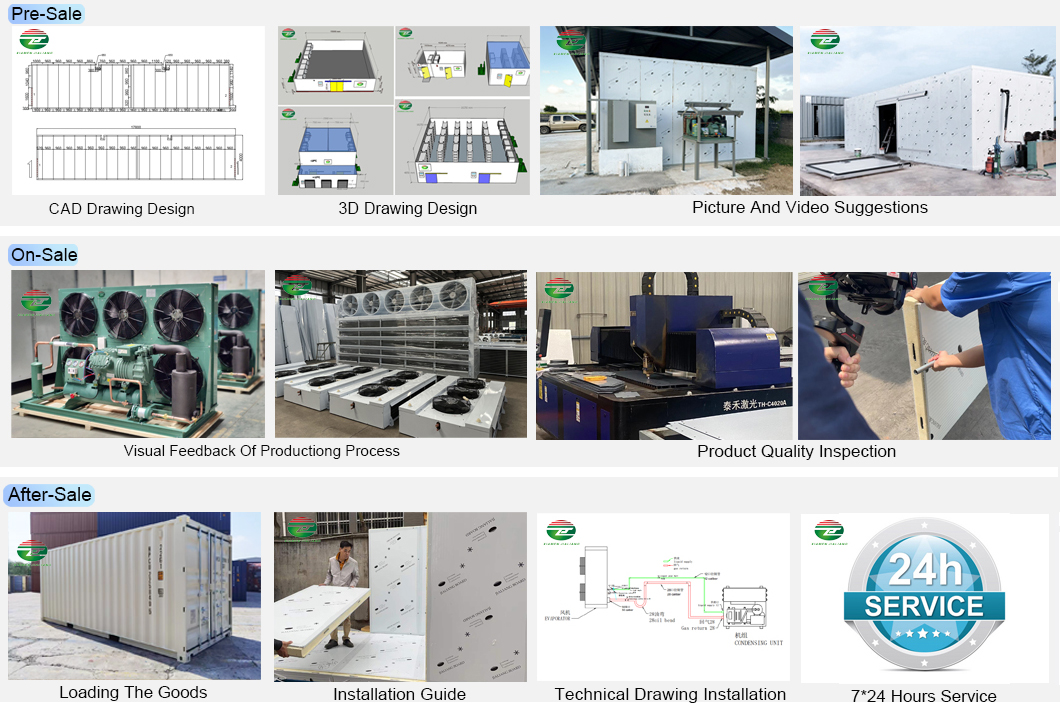
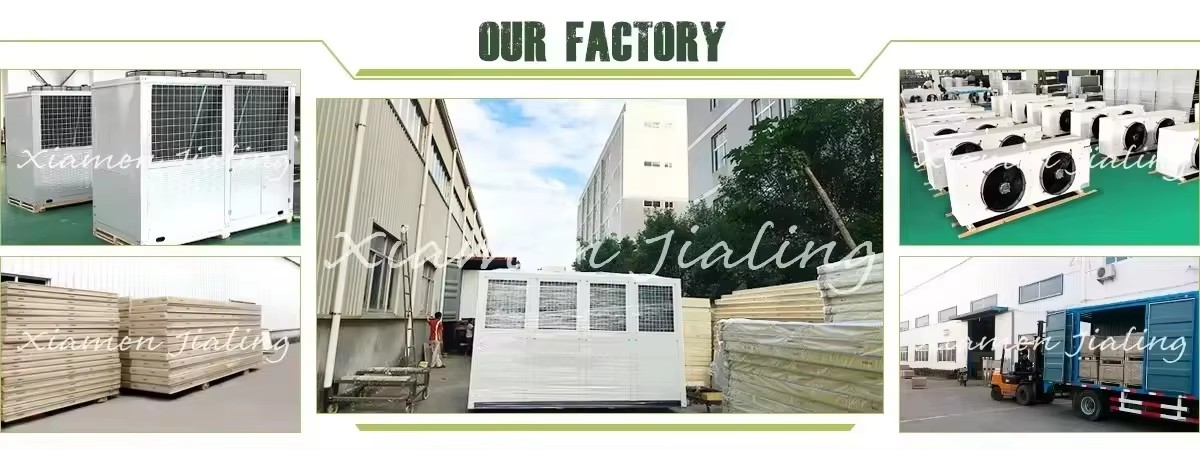
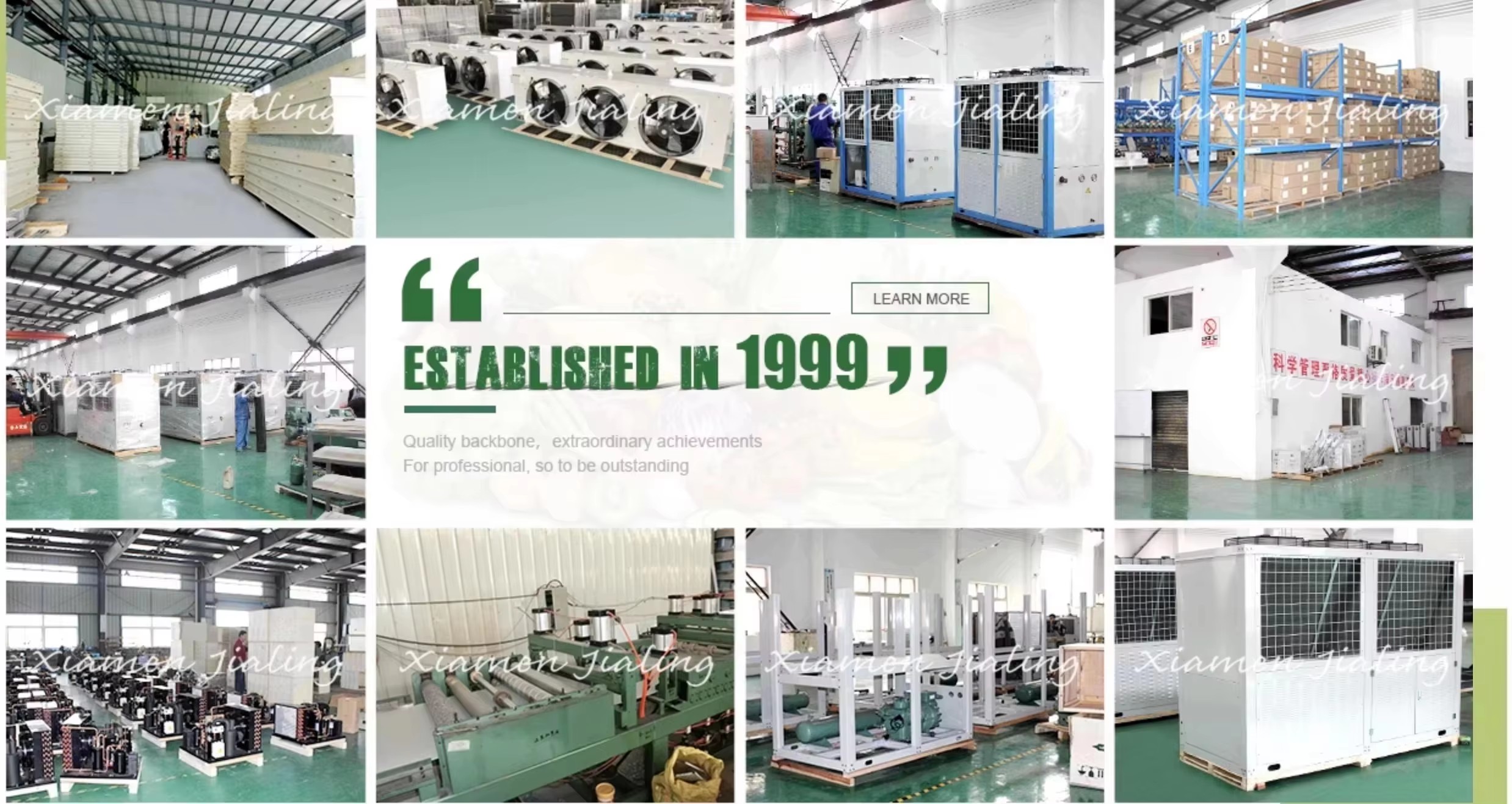
Xiamen Jialiang is an established company established in 1999, we have more than 26 years of working experience in the refrigeration field, which dedicated in supplying finest quality Cold Room, Blast Freezer, Unit Cooler, Condensing Unit, Door and PU Panel, etc. Product innovation and customer satisfaction are our long term commitment to all our partners.
FAQ
Q1: Our local climate is very hot/cold, can the compressor unit achieve the cooling effect?
A1: We will appropriately increase the condenser to resist hot weather according to the customer's local temperature. Or optimize the electric control box to ensure that it can still work at low temperatures.
Q2: Can the compressor unit be installed on the ceiling?
A2: Yes, but you need to reserve space on the top of the cold storage, and we will also configure enough copper pipes accordingly.
Q3: The voltage is 110V, can it be used?
A3: No, refrigeration equipment in the Chinese market can only produce at least 220V.