Home / Condensing Unit
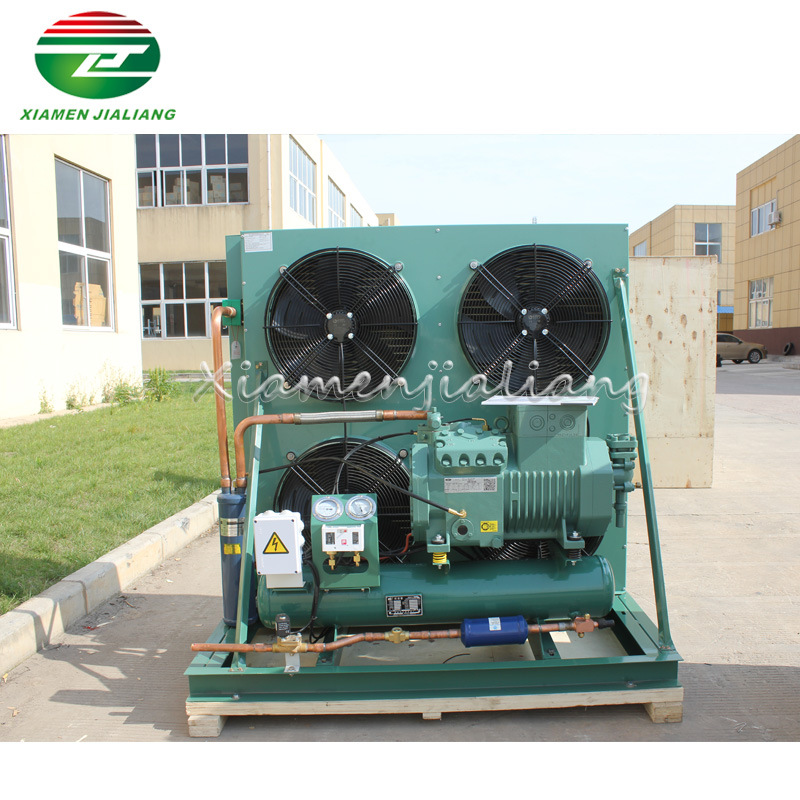
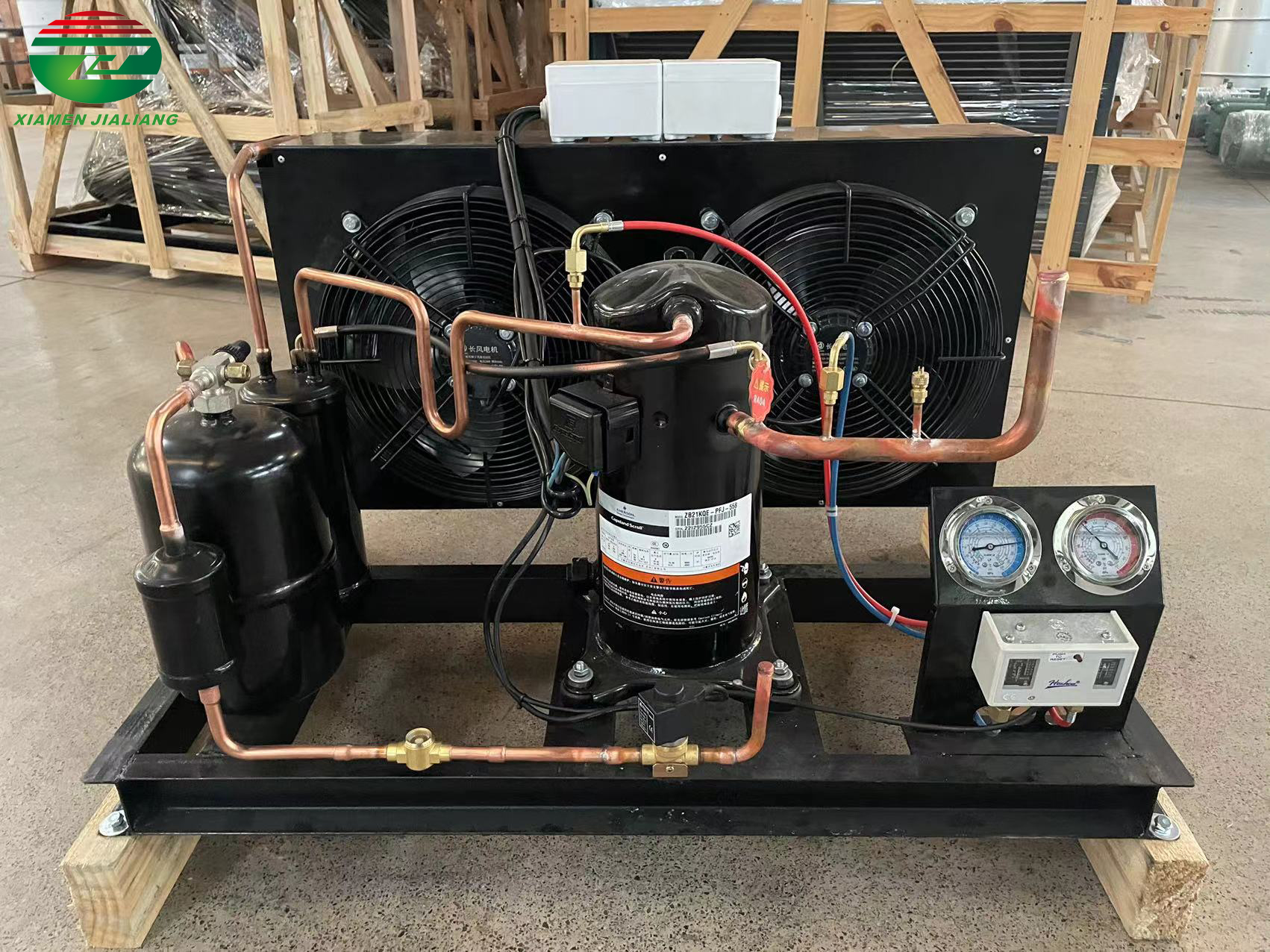
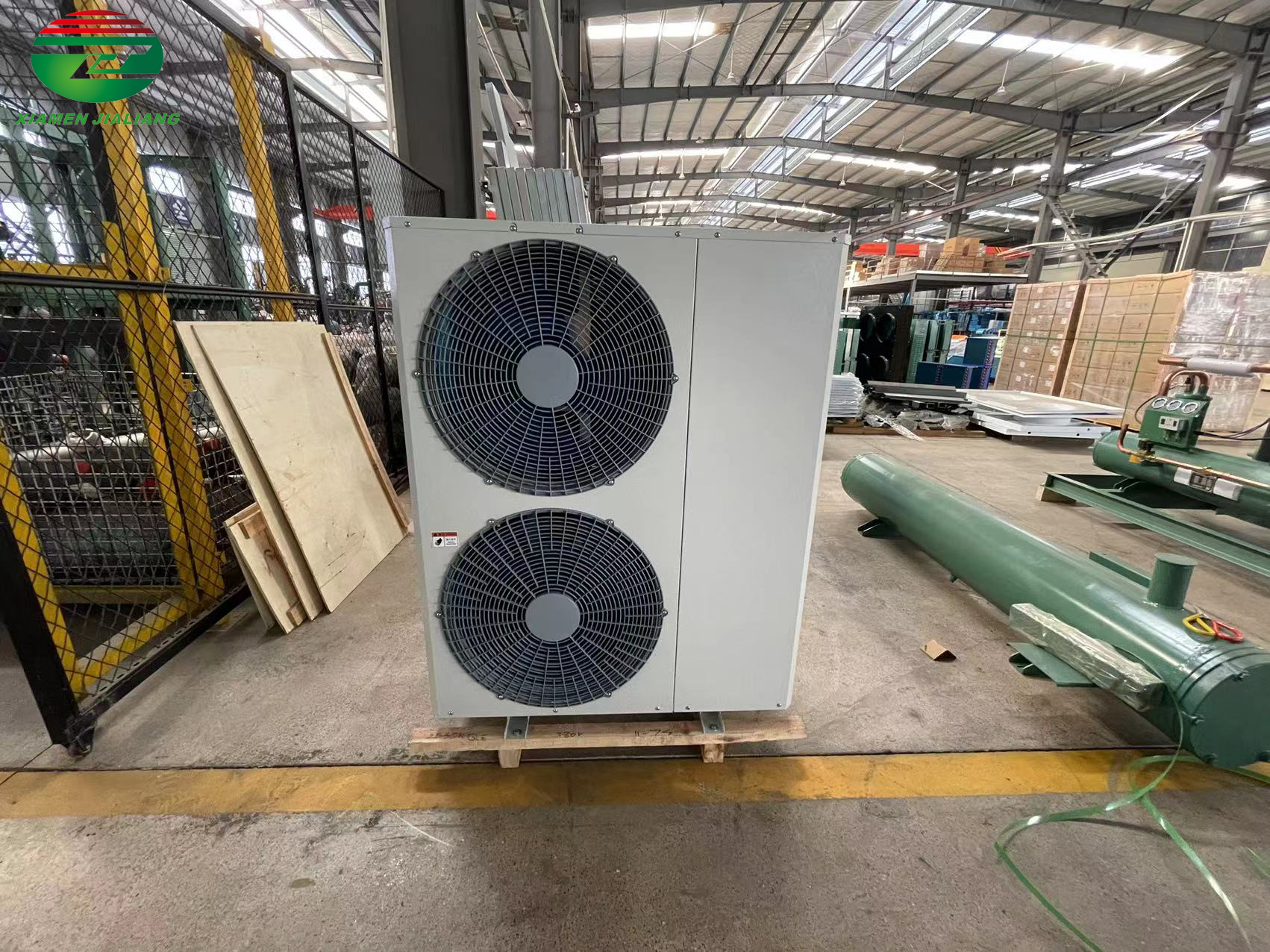
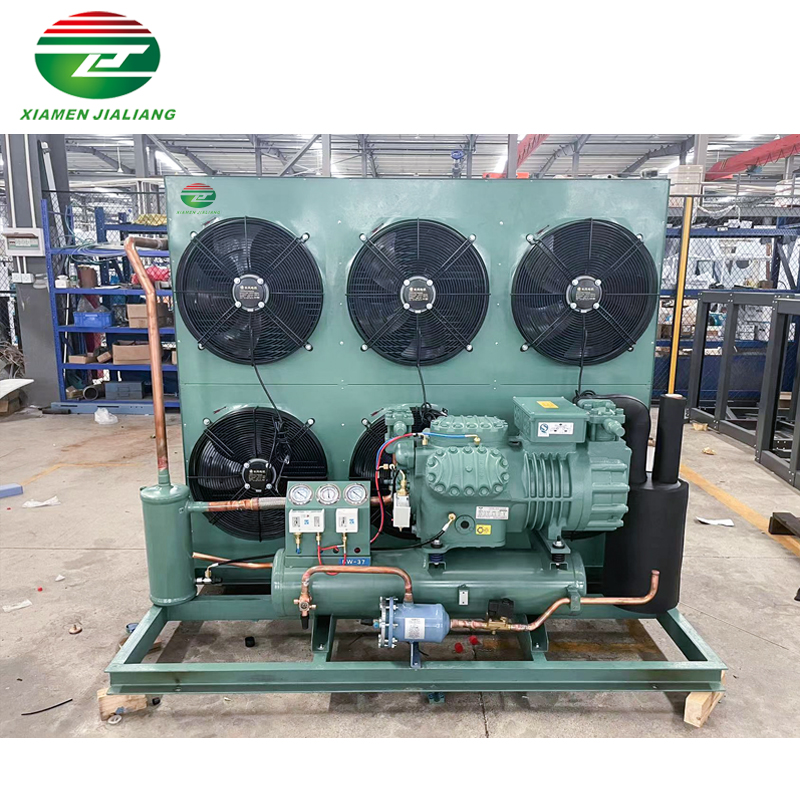
40 hp condensing unit
    • Cold Room Industrial Condensing Units
    • R404a Refrigeration Compressor

    • Bitzer Condensing Unit2HP Condensing Unit15HP Condensing Unit30HP Condensing Unit
    • Get A Quote
    • Description
    • Features


    Cold Room Industrial Condensing Units


    What is a Condensing Unit?

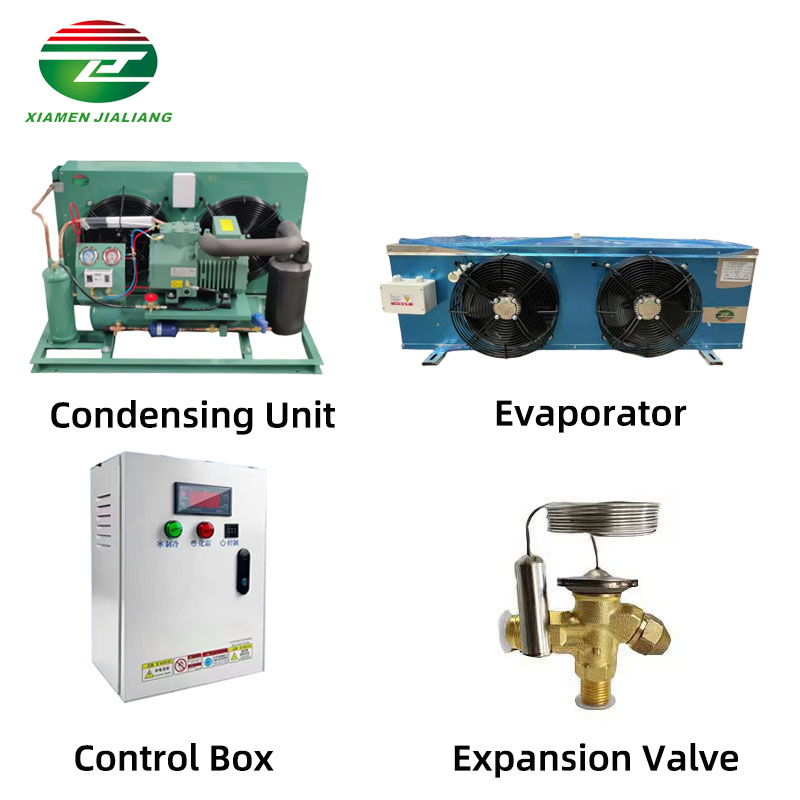
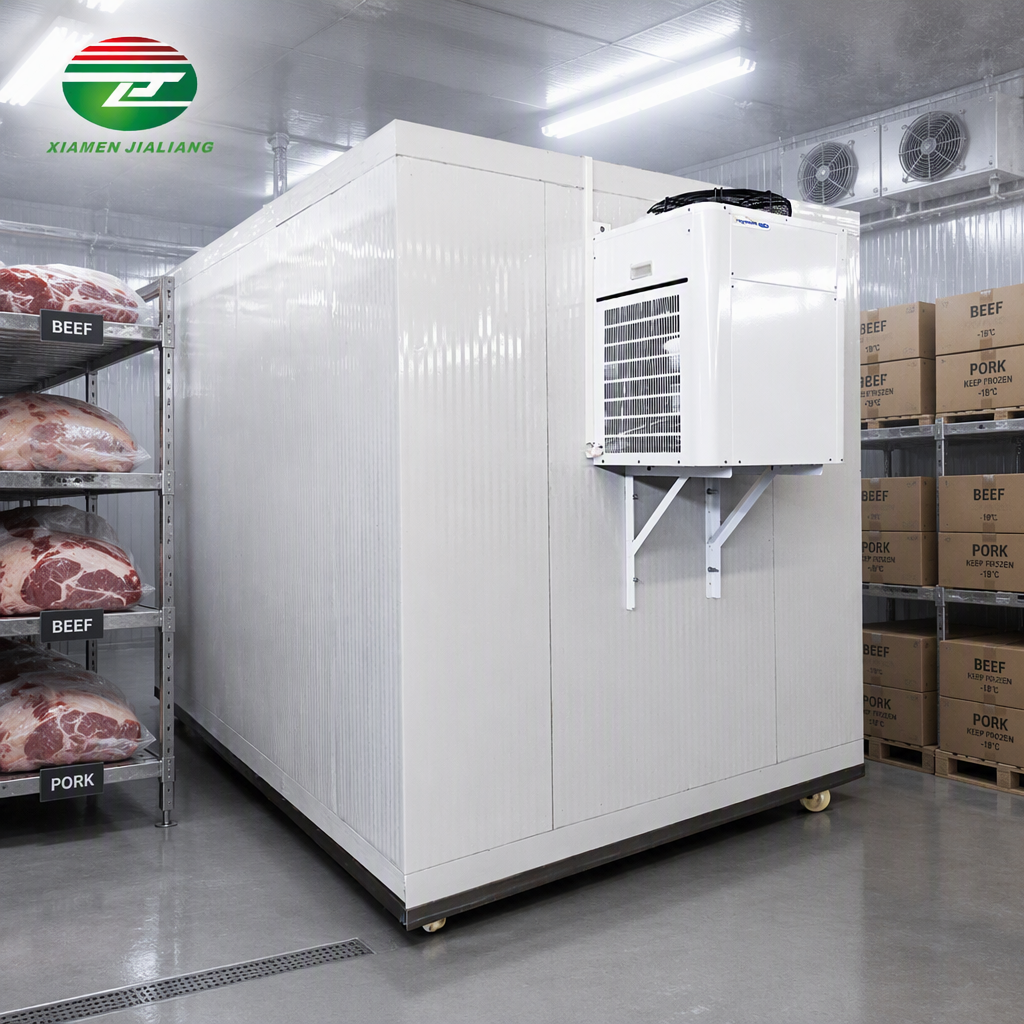
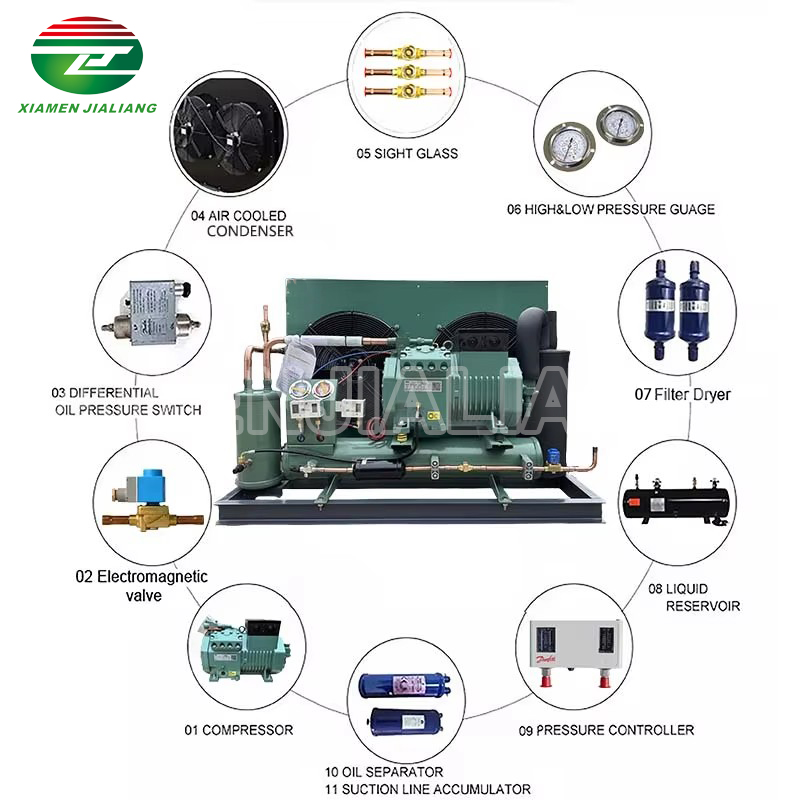
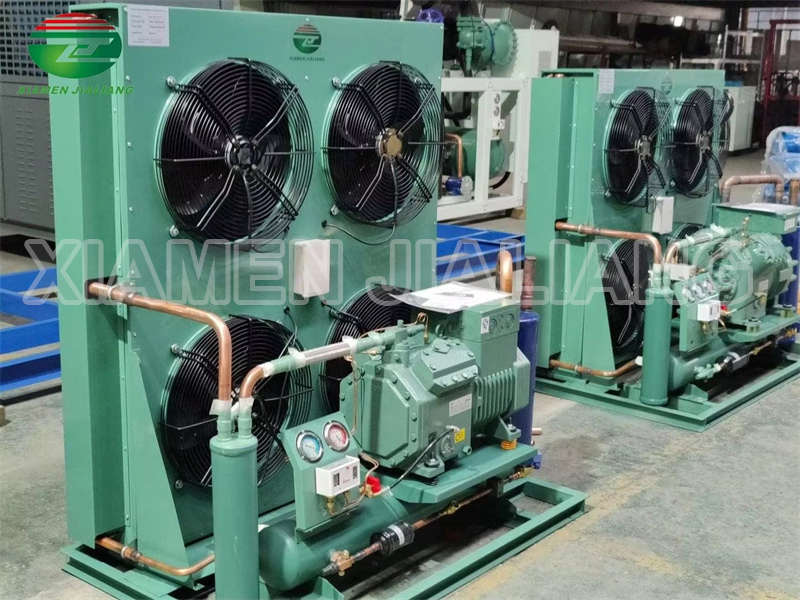
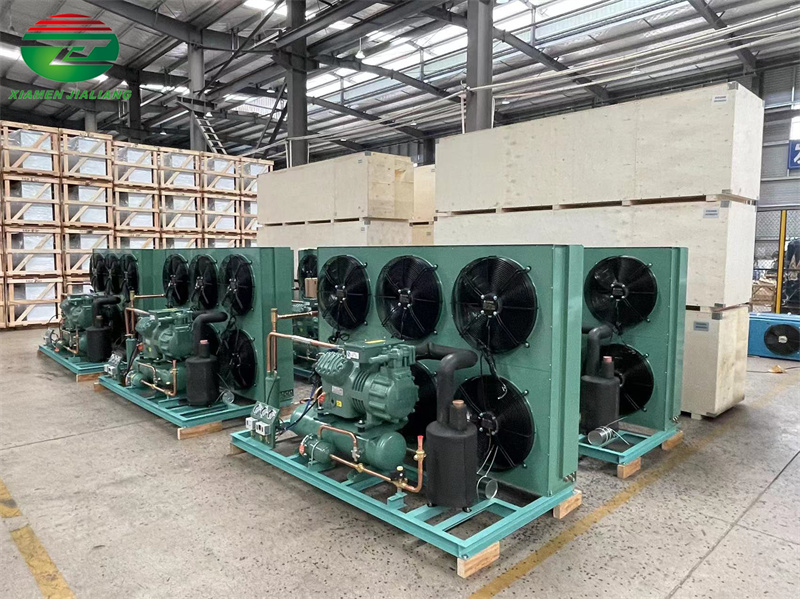
    A condensing unit is a set of components responsible for compressing and cooling the refrigerant fluid, facilitating heat exchange, and promoting the cooling of indoor units. They are installed on the high-pressure side of refrigeration systems and consist of interconnected compressors, condensers, and fans. Additionally, condensing units may include accessories such as liquid tanks, dry filters, service valves, protective grilles, and evaporator trays. The installation of condensing units is convenient, reducing installation time and maintenance costs for refrigeration projects while providing flexibility and high performance.
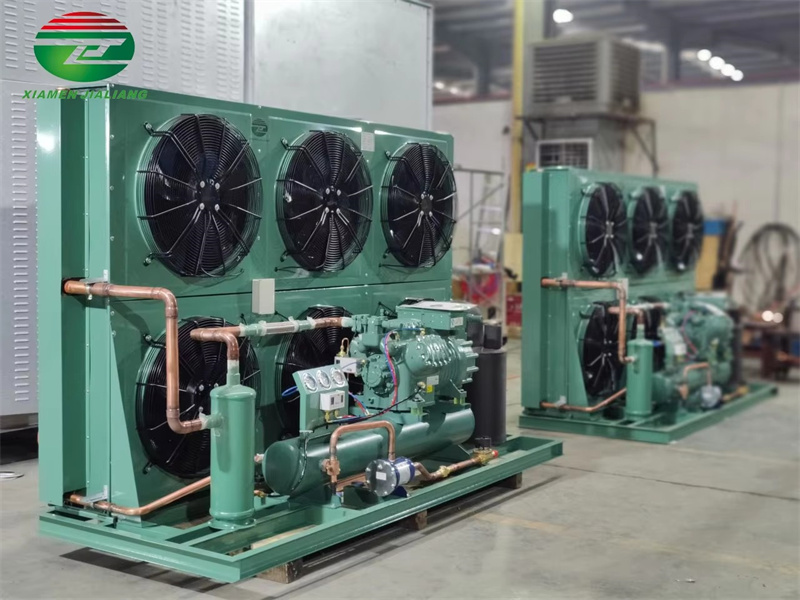


    Applications of Condensing Units

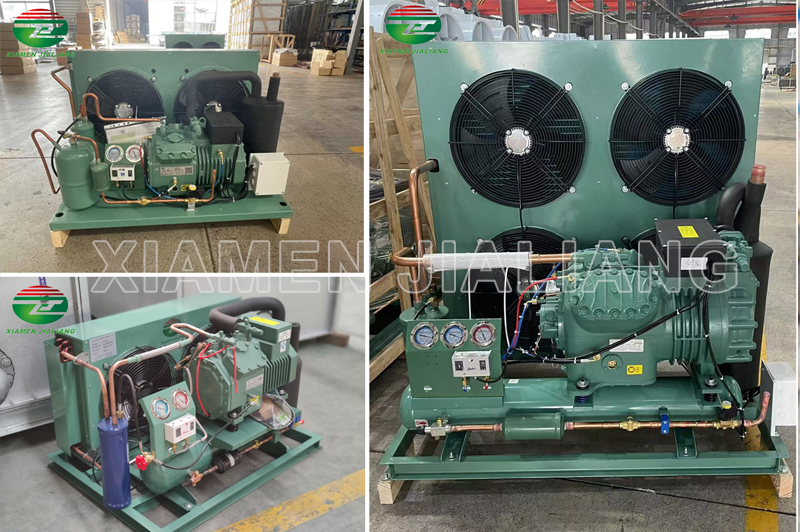
    Condensing units are available in various models suitable for different sizes and evaporating temperature ranges, ranging from small applications like freezers, display cabinets, and water coolers to large-scale applications such as commercial refrigerators, hospitals, restaurants, and industrial manufacturing plants.


    Precautions for Contractors during Installation


    Contractors need to take some precautions when installing condensing units. The condensing unit should be installed in a well-ventilated environment to ensure fresh air can flow into the condenser. Avoid installing it in enclosed areas, near walls, heat sources, or other systems. If installation in a confined space is necessary, ensure that the condensing unit receives fresh air at the condenser's inlet and has a clear hot air outlet. Additionally, factors such as direct sunlight, dust, rainwater, and strong winds that may interfere with the proper operation of the equipment should be avoided. Choose a sturdy and durable surface for equipment installation, avoiding irregular, uneven, or soft surfaces.
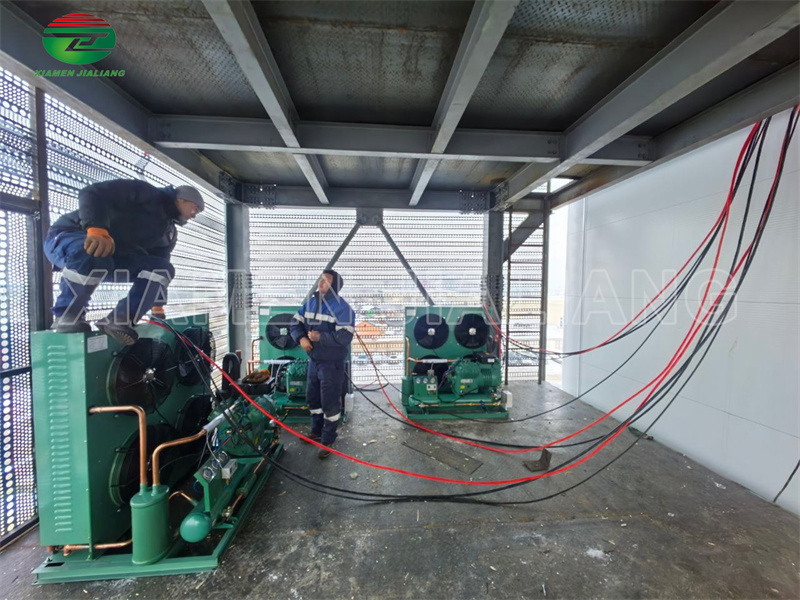
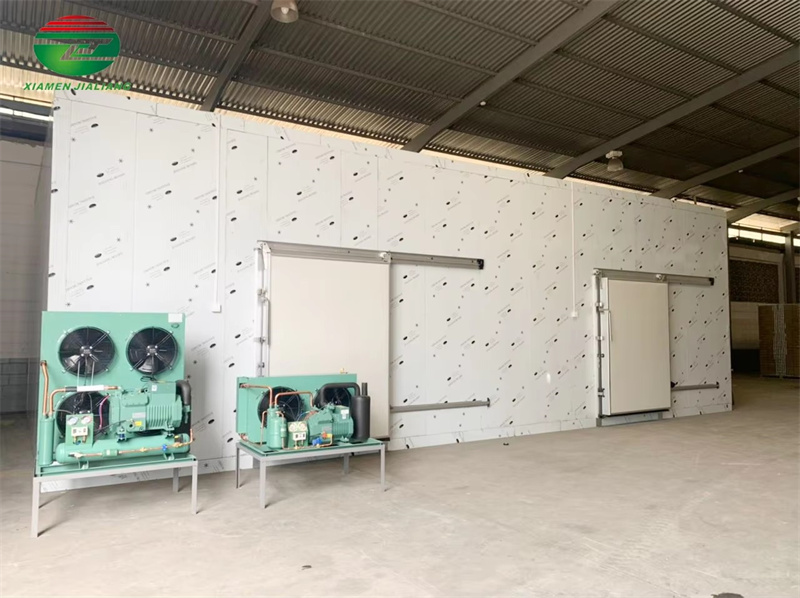


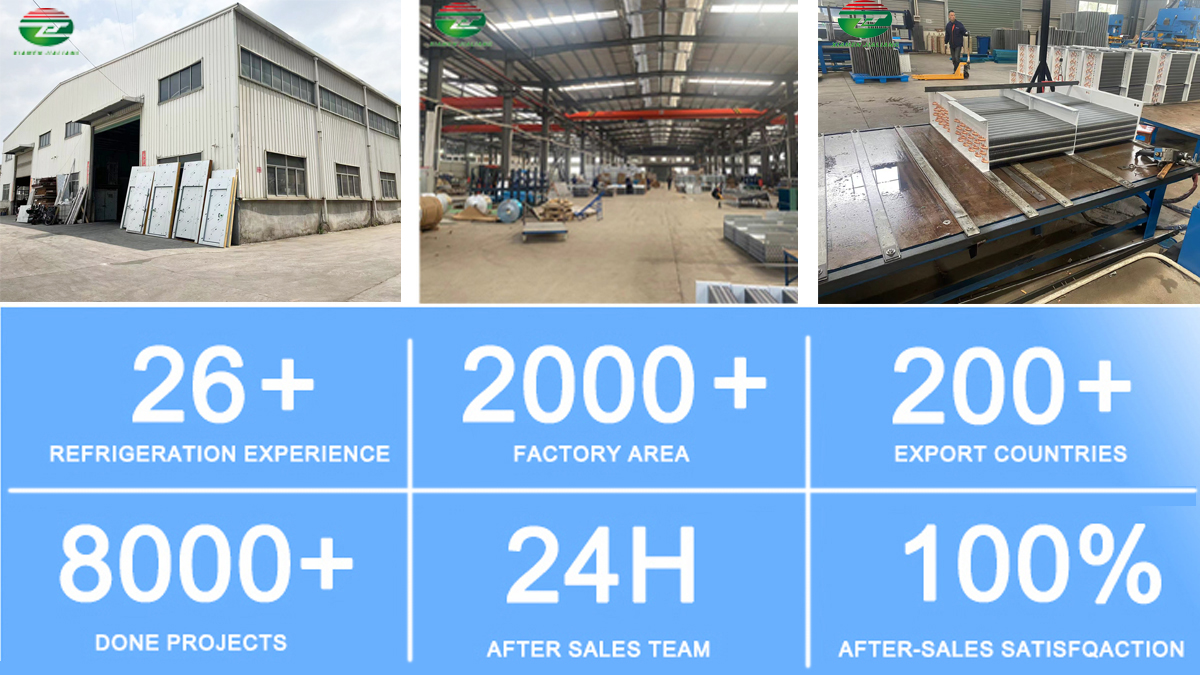
    We have our own production factory, which mainly produces products related to refrigeration equipment, such as cold room, cold room panels, condensing units, evaporators, etc

    We are a factory with mature technology and supply capabilities, able to continuously provide you with the highest quality service! 

    We have exported to more than 200 countries so far, our market is not limited to regions with hot weather, Russia and other regions where the temperature is too low will also use our Cold Room to preserve vegetables and fruits in the cold winter.


    Q1: Can the compressor unit be installed on the ceiling?    
    A1: Yes, but you need to reserve space on the top of the cold storage, and we will also configure enough copper pipes accordingly.
    Q2: The voltage is 110V, can it be used?       
    A2: No, refrigeration equipment in the Chinese market can only produce at least 220V.    
    Q3: Our local climate is very hot/cold, can the compressor unit achieve the cooling effect?
    A3: We will appropriately increase the condenser to resist hot weather according to the customer's local temperature. Or optimize the electric control box to ensure that it can still work at low temperatures.


    Related Condensing Unit
    Contact Us
    • Name: *
    • Email: *
    • Skype/WhatsApp/Tel: *
    • Country: *
    • Details: *
    JiaLiang Blog

    we have experienced projects all over the world and provide trustworthy solution services to meet customers' need.

    • 28
      May
    • Mobile Trailer Cold Room: A New Choice For Cold Chain Preservation
    • Mobile trailer cold room is a mobile refrigeration storage device that can be flexibly transferred and transported. It integrates the insulated cold storage compartment and refrigeration unit on the trailer chassis, without the need for a fixed installation site. It can be put into use by connecting to the power supply and can flexibly meet the temporary cold chain storage needs. It is widely used in various scenarios such as pre cooling of fresh agricultural products in production areas, outdoor food cold chain transfer, seasonal fresh food storage and preservation, etc. Compared with fixed cold storage, it has outstanding advantages such as on-demand allocation, fast deployment, and lower investment costs.
    • -Read More
    • 21
      May
    • How to install a cold storage
    • Installation or renovation of cold storage requires prior planning and approval, confirmation of site conditions, selection of suitable equipment, and completion of warehouse construction, refrigeration system installation, circuit connection, and commissioning according to standardized procedures. During the process, special requirements such as floor antifreeze and environmental protection disposal of waste components in low-temperature cold storage should be taken into account, and a professional team should operate to ensure construction quality; After completion, it is necessary to complete the final acceptance and retain relevant information for future maintenance. In daily use, it is necessary to operate in a standardized manner, conduct regular inspections and maintenance, and promptly contact professional personnel for repairs in case of malfunctions, in order to ensure the stable operation of the cold storage, extend its service life, and meet storage needs.
    • -Read More
    • 14
      May
    • How To Store And Customize Seafood Cold Rooms?
    • From customized construction to storage and use, each link of a seafood cold storage needs to be well controlled according to the storage characteristics of seafood: during the customization stage, a suitable plan should be determined based on one's own storage needs, site conditions, and budget planning. During construction, site survey, quality control, and completion trial operation should be carried out according to the process. Daily storage should control the corresponding temperature and humidity according to the seafood category, follow standardized storage management requirements, and clean the cold storage, inspect and calibrate the equipment to ensure stable operation of the seafood cold storage and meet the needs of seafood storage.
    • -Read More
    Ok