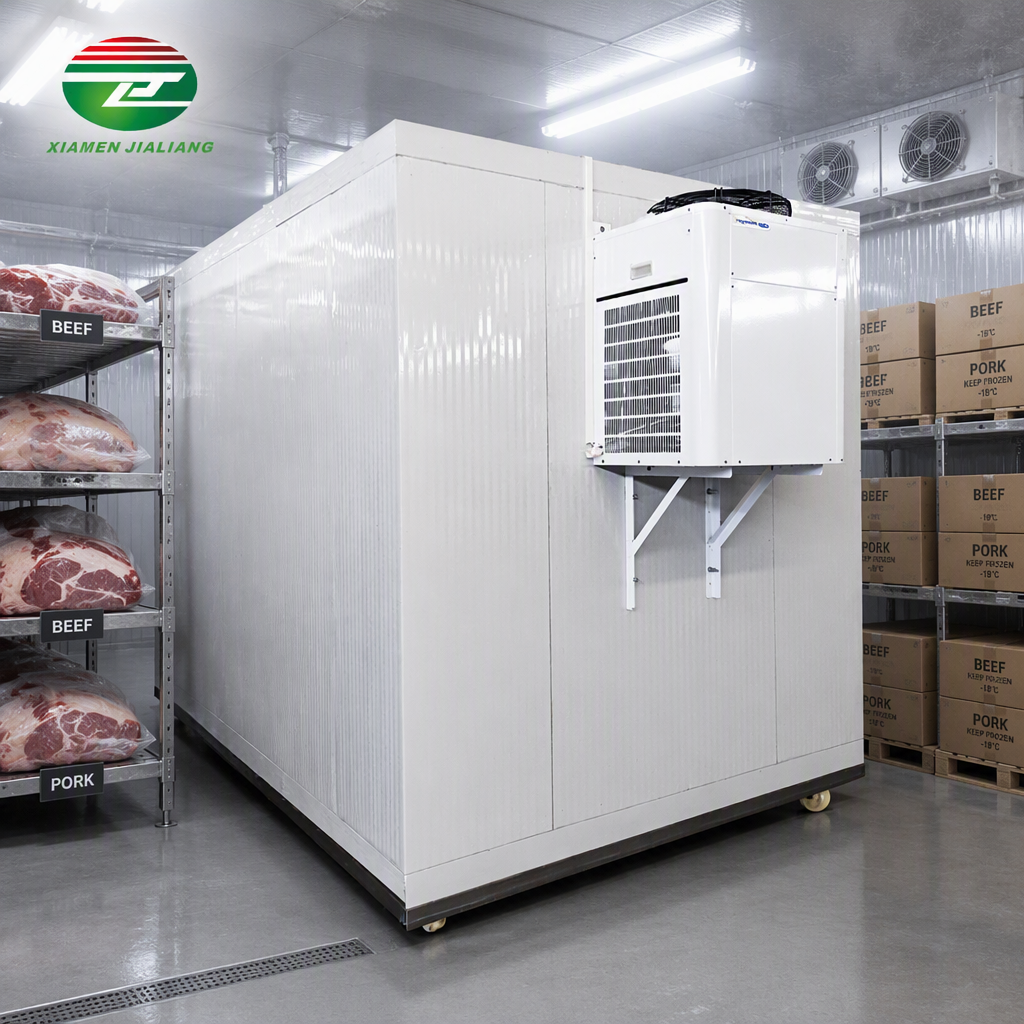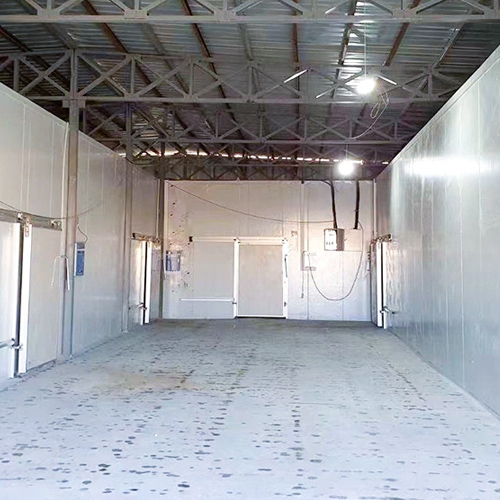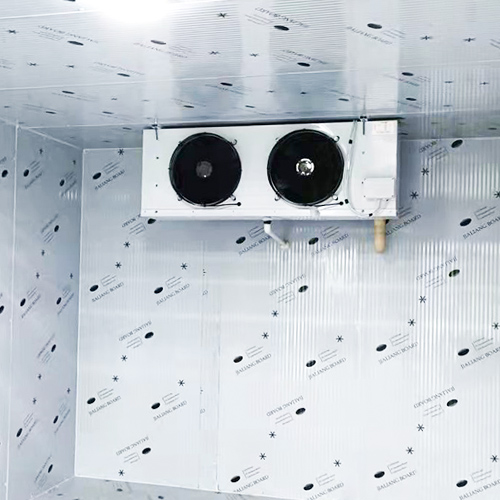


- Custom sized food storage aluminum flower board cold room
Creating a customized size store for a cold room to store food requires careful planning and design
- Get A Quote
- Description
- Features
Customized Size Store Food Cold Room Aluminum Flower Panel Walk In Cold Room In United
Customization and Service
Creating a customized size store for a cold room to store food requires careful planning cold storage room for fruits and vegetables.
1. Determine Your Needs:
Calculate the amount of food you need to store and the types of products you'll be storing. This will help you determine the size and capacity of the commercial cool rooms for sale.
2. Choose Location:
Select an appropriate location for your cold room. It should be easily accessible and close to your food preparation and service areas ice cream cold storage room price .
3. Insulation:
Invest in high-quality insulation to ensure the cold room maintains the desired temperature. Proper insulation helps reduce energy costs and maintain food safety prefabricated cold storage.
4. Cooling System:
Choose a refrigeration system that matches the size and temperature requirements of your cold room. Options include split systems, walk-in coolers, and walk-in freezers commercial cool room price.


| Product Name | America Cold Room |
| External Size | 8X9.3X3 Meters (26.2X30.5X9.8 Feet) |
| Temperature | -20℃ (-4℉) |
| PU Panel Thickness | 100mm |
| Plywood Thickness | 15mm |
| Aluminum Flower Panel Thickness | 2mm |
| Swing Door | 1800X2000mm |
| C-Shaped Steel | 10 Meters (32.8 Feet) |


5. Door Selection:
Select insulated doors that seal tightly to prevent temperature fluctuations. Consider options like sliding doors, swing doors, or strip curtains based on your needs walk in cold room.
6. Temperature Monitoring:
Install temperature monitoring and control systems to ensure that the cold room maintains the desired temperature range making a cold room.


Customer Feedback
8. Lighting:
Use energy-efficient LED lighting to provide adequate illumination inside the industrial cold room for sale.
9. Ventilation:
Ensure proper ventilation to prevent moisture buildup and maintain air circulation.
10. Maintenance Plan:
Develop a maintenance plan to regularly inspect and service your cold room to keep it in optimal condition walk in coolroom for sale.
11. Cost Considerations:
Keep in mind that setting up a customized cold room can be a significant investment. Consider your budget and the long-term cost of operation climatrol cold room.
12. Professional Installation:
It's highly recommended to have the cold room installed by professionals who are experienced in refrigeration and cold storage systems mini cold room.


Contact Us