Container Cold Storage: Function, Specification, and Selection Guide
Built to withstand harsh conditions, ensuring long-lasting performance.
Container Cold Storage: Function, Specification, and Selection Guide
Container cold storage is a special container that integrates refrigeration and transportation functions. It can provide a stable low-temperature environment for goods by integrating key components such as refrigeration system, insulation layer, and temperature control system on the basis of standard containers. The outer shell is usually made of high-strength steel, and the interior is covered with high-efficiency insulation materials such as polyurethane or polystyrene, effectively preventing external heat from entering. Refrigeration systems often use compression refrigeration technology, which can be precisely adjusted according to the different temperature requirements of the goods (such as freezing, refrigeration, etc.). The temperature control range is generally between -40 ℃ and 20 ℃.
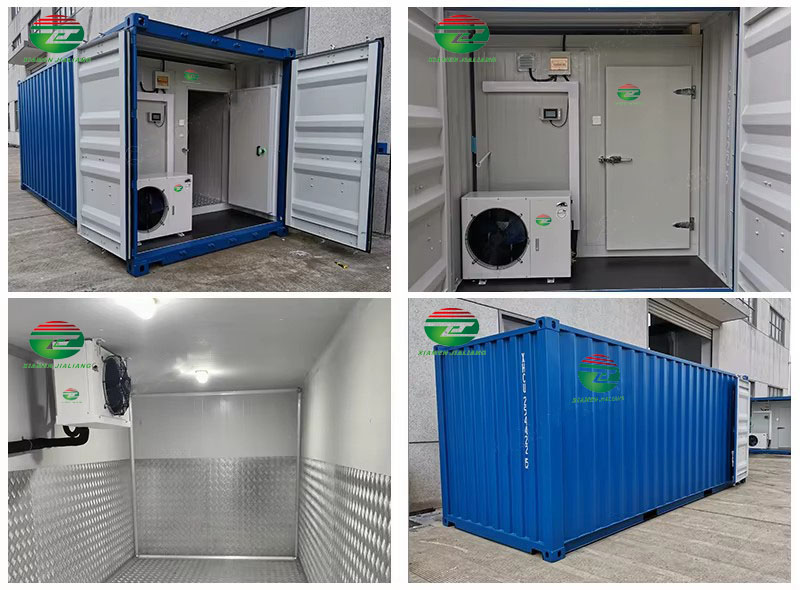
At the same time, some high-end container cold storage facilities are also equipped with remote monitoring systems. Management personnel can view the temperature, humidity, and operating status of refrigeration equipment in real time through computers or mobile phones. Once abnormalities occur, they can promptly alarm and take corresponding measures to ensure the quality and safety of goods during long-distance transportation or temporary storage. This equipment is widely used for cross-border or cross regional transportation of temperature sensitive goods such as fresh food, pharmaceutical products, and chemical raw materials, greatly expanding the coverage and flexibility of cold chain logistics.
The common sizes include 20 feet, 40 feet, and 40 foot high cabinets.
The external length of a 20 foot container cold storage is about 6.058 meters, the width is about 2.438 meters, and the height is about 2.591 meters. The effective internal volume is usually between 28 and 31 cubic meters, suitable for the transportation of small batches and high-value goods.
The external length of the 40 foot container cold storage is approximately 12.192 meters, with a width and height similar to the 20 foot specification. The internal volume can reach 58 to 62 cubic meters, which can meet the cold chain needs of medium and large-scale goods.
The external height of the 40 foot high container cold storage has increased to 2.896 meters, and the internal volume has been further increased to around 65 to 70 cubic meters. For goods with lower density and larger volume, such as vegetables, fruits, etc., it can provide more sufficient storage space.
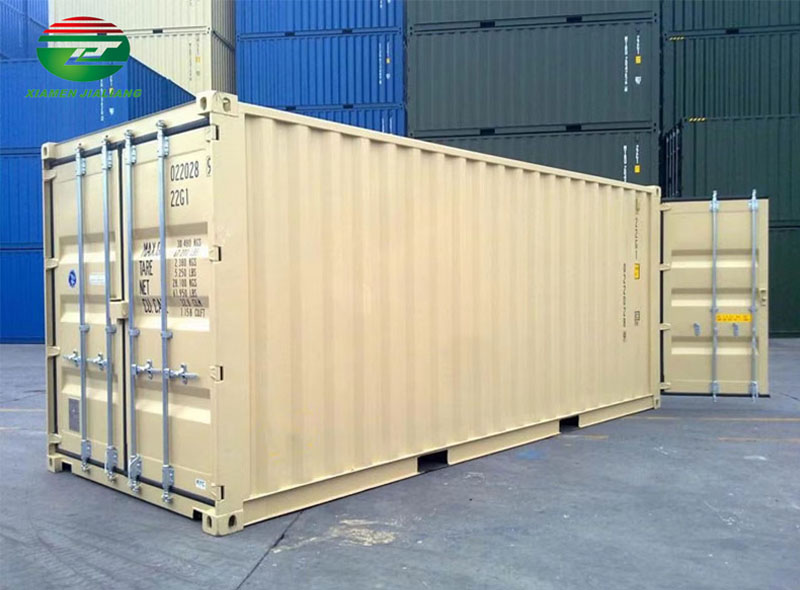
The selection of container cold storage requires comprehensive consideration of multiple factors to ensure that it can accurately match actual transportation needs and achieve efficient operation.
Firstly, it is necessary to clarify the characteristics of the goods, including the type of goods, temperature sensitivity, required storage temperature range, and shelf life requirements. For example, for meat, seafood, etc. that require deep freezing, container cold storage with strong refrigeration capacity and stable temperature control below -18 ℃ or even lower should be selected; For refrigerated goods such as vegetables and fruits, it is necessary to ensure that the temperature is controlled between 0 ℃ and 10 ℃, and pay attention to whether it has humidity regulation function to prevent dehydration or rotting of the goods.
Secondly, the scale and distance of transportation are also crucial. During long-distance cross-border transportation, special attention should be paid to the insulation performance of container cold storage, the reliability of the refrigeration system, and whether it is equipped with a complete remote monitoring and alarm system to cope with complex and changing climate conditions and possible equipment failures, ensuring the stable quality of goods during the long journey. In addition, the compatibility of transportation vehicles should also be considered. Different ships, trains, or trucks may have specific limitations on the size and weight of containers, and it is necessary to ensure that the selected container cold storage meets the loading standards of the transportation vehicles. Cost factors cannot be ignored, including initial procurement costs, energy consumption costs during operation, maintenance costs, and potential temperature control failure risk costs. A comprehensive economic evaluation should be conducted on the premise of meeting transportation needs, and the most cost-effective solution should be selected. Finally, the qualifications and after-sales service of suppliers are also crucial. Choosing suppliers with good reputation, strong technical strength, and the ability to provide timely maintenance services can provide strong guarantees for the long-term stable operation of container cold storage.
For more information, please visit www.coldroomjl.com.