Introduction To Cold Storage, Temperature And Its Impact
Available In Multiple Sizes To Fit Specific Needs
Introduction To Cold Storage, Temperature And Its Impact
What is a cold storage?
A cold storage is a warehouse facility that creates and maintains a specific low-temperature environment through artificial refrigeration, primarily used for preserving, chilling, and freezing temperature-sensitive items such as food, pharmaceuticals, and chemical raw materials.
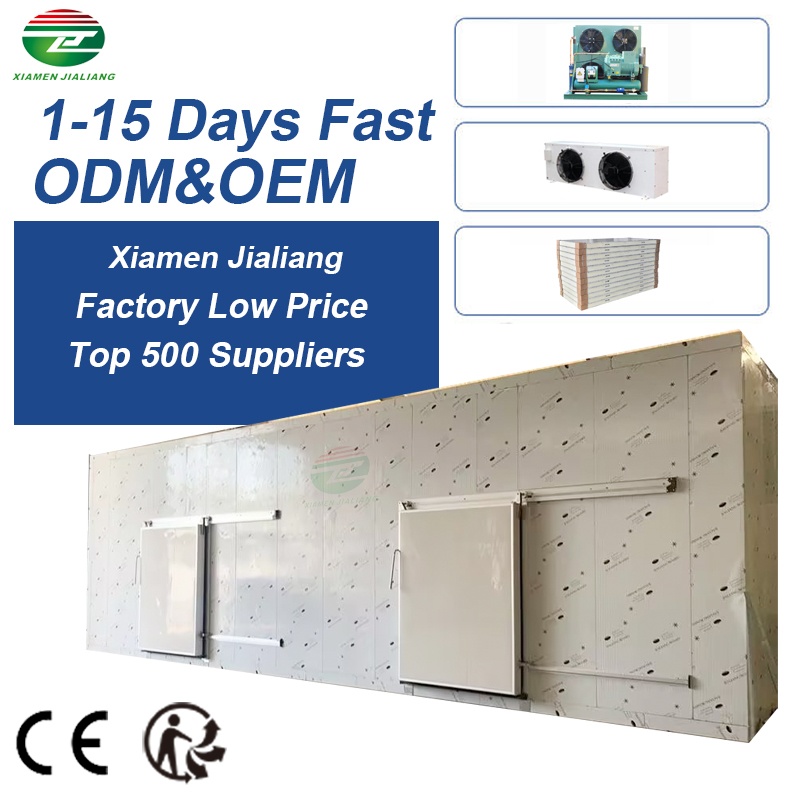
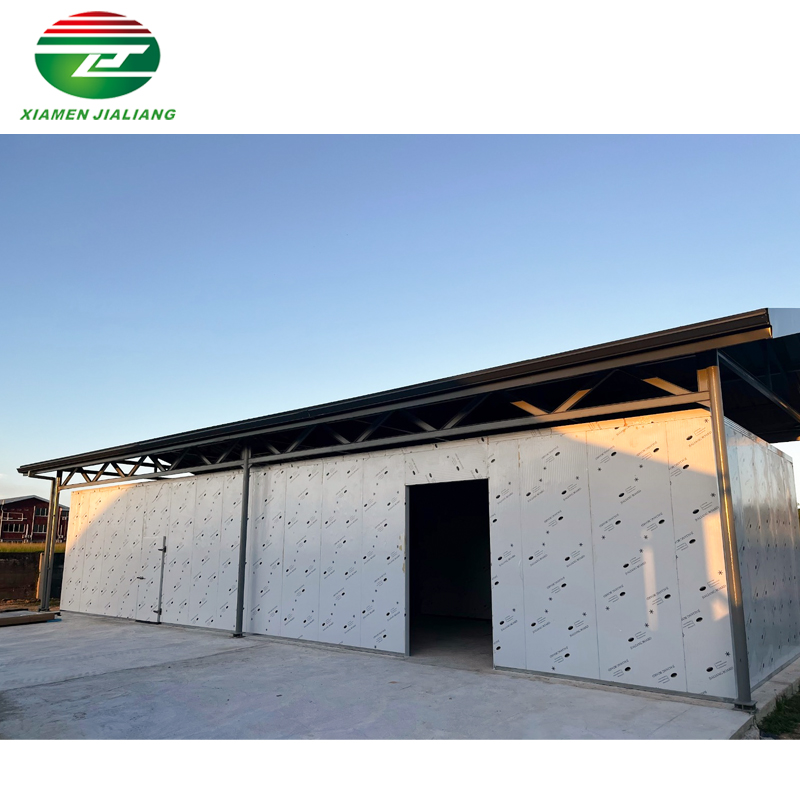
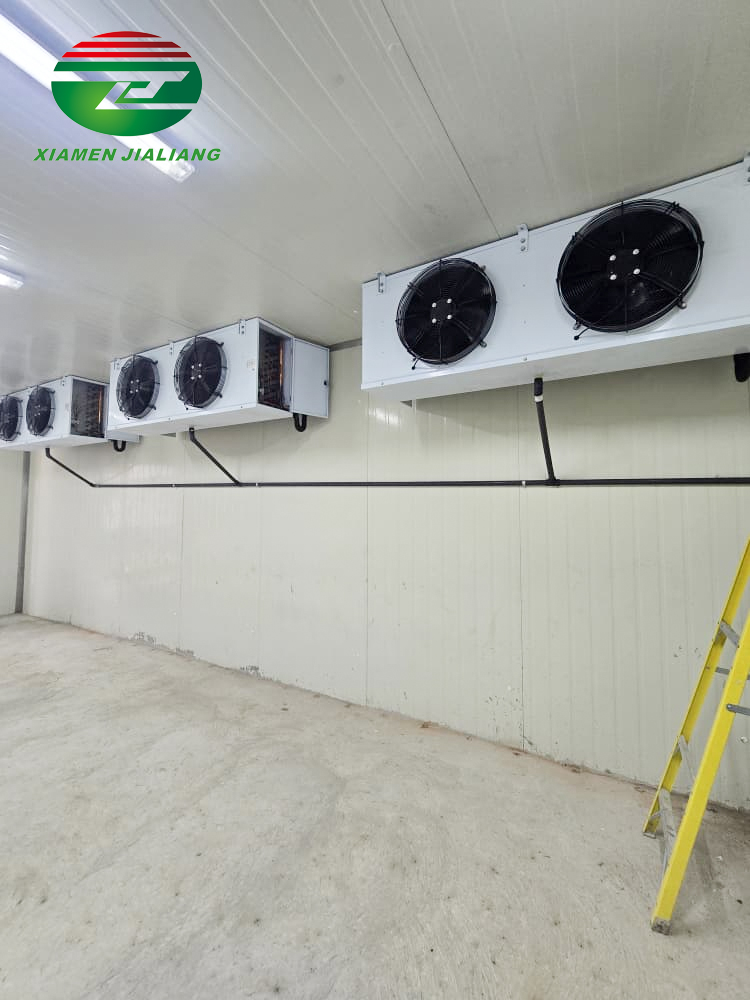
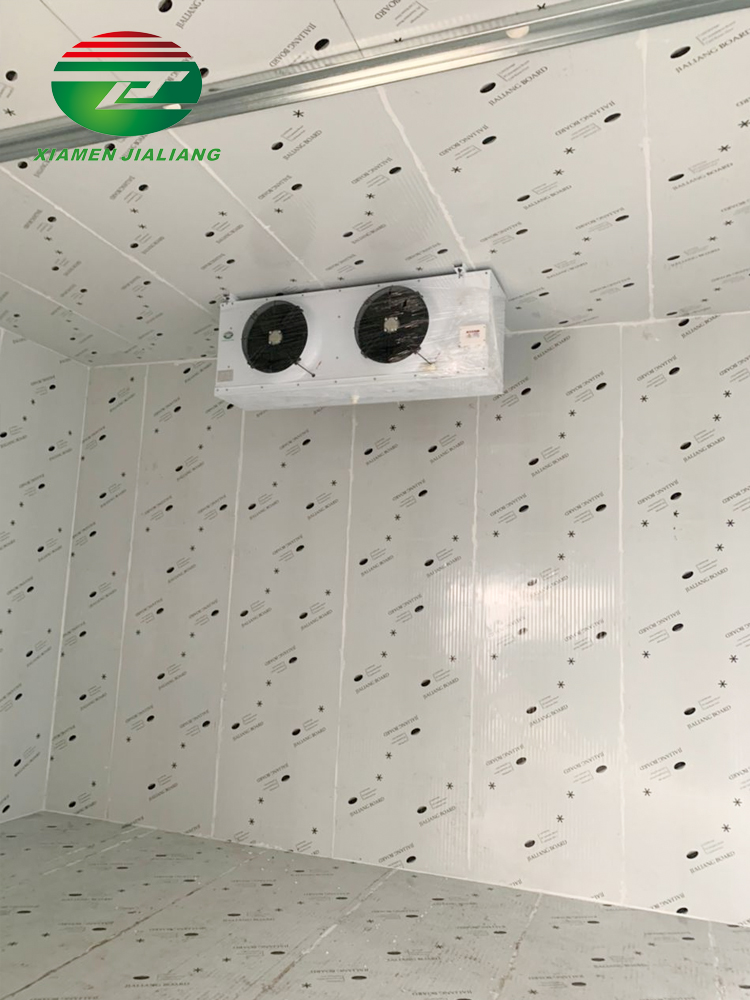
It typically consists of components including the enclosure structure, refrigeration system, control system, and loading/unloading equipment. The enclosure structure is usually constructed with materials like polyurethane insulation panels or polystyrene insulation panels to minimize heat transfer from the external environment and ensure stable internal temperatures. The refrigeration system serves as the core of the cold storage, where the coordinated operation of compressors, condensers, expansion valves, and evaporators transfers heat from the interior to the exterior, achieving the goal of cooling. The control system precisely regulates parameters such as temperature and humidity inside the storage to meet the requirements of various stored items.
Additionally, to facilitate the handling and management of goods, cold storage facilities are equipped with loading/unloading equipment such as forklifts, racks, and conveyor belts to enhance operational efficiency. Based on their temperature ranges, cold storage can be categorized into high-temperature cold storage (typically 0°C to 10°C), medium-temperature cold storage (typically -10°C to -20°C), low-temperature cold storage (typically -20°C to -30°C), and even ultra-low-temperature cold storage, each suited for different types of storage needs.
How to choose the temperature for cold storage?
The selection of cold storage temperature requires a comprehensive consideration of factors such as the characteristics of stored items, preservation or freezing requirements, storage duration, and energy consumption costs. Different types of items have significantly varying suitable storage temperature ranges.
For instance, cold storage for fresh vegetables and fruits typically needs to maintain temperatures between 0°C and 10°C. This range effectively inhibits respiratory activity and microbial growth in produce, delaying aging and spoilage while preserving moisture and nutrients to the greatest extent, generally achieving short-term preservation of several days to weeks. In contrast, animal-based foods like meat and fish require lower temperatures, typically below -18°C, to enable long-term storage. At this temperature, internal moisture freezes into ice, significantly reducing enzyme activity and microbial growth rates, allowing food to be preserved for several months or even over a year while maintaining original flavor and nutritional value.
Additionally, certain specialized items such as vaccines and biological preparations in the pharmaceutical category demand even stricter temperature controls, often requiring precise maintenance within specific low ranges like 2°C to 8°C to ensure efficacy and safety. This necessitates cold storage systems with higher-precision temperature control and more stable operational performance. When selecting storage temperatures, usage frequency and door opening rates should also be considered, as frequent openings cause temperature fluctuations, potentially requiring lower set temperatures to compensate for heat loss and maintain a relatively stable environment. Energy consumption costs are another critical factor—lower temperatures prolong compressor operation time and increase energy usage, so optimal temperatures must be chosen to balance storage effectiveness with economical operation.
What impact do cold storage facilities have on individuals, businesses, and commerce
For individuals, cold storage ensures the freshness and safety of various fresh foods in daily life. Whether it's frozen meat and seafood purchased from supermarkets, or dairy products and ice cream that require low-temperature storage, they all rely on cold storage to maintain a stable low-temperature environment in production, transportation, and sales, allowing individuals to enjoy high-quality food at any time and reducing health risks and economic losses caused by food spoilage. At the same time, for individuals with special needs, such as small merchants engaged in the sale of homemade food, small household cold storage or leased commercial cold storage can help them extend the shelf life of food and expand their business possibilities.
The impact of cold storage on the commercial sector is equally profound. Large chain supermarkets, fresh food e-commerce platforms and other commercial entities rely on cold storage to maintain a large inventory of goods, meet consumers' demand for diversified and high-quality fresh products, enhance customers' shopping experience, and strengthen their market competitiveness. By constructing large cold storage facilities, agricultural wholesale markets can attract more suppliers and buyers, create economies of scale, promote the circulation and trading of agricultural products, and invigorate regional economies. At the same time, the development of cold storage has also driven the prosperity of related industrial chains, such as cold storage design and construction, refrigeration equipment manufacturing, cold chain transportation services, etc., creating a large number of employment opportunities and promoting the diversified development of the commercial ecosystem.

The impact of cold storage on enterprises is reflected in multiple key operational links, directly related to cost control, product quality, market competitiveness, and even sustainable development. Firstly, for enterprises such as fresh agricultural product processing and food manufacturing, cold storage is the core facility to ensure product freshness and extend shelf life. By precisely controlling temperature and humidity, cold storage can effectively inhibit microbial growth and enzyme activity, reduce the loss of fresh food during storage and transportation, such as reducing the decay rate of vegetables and fruits by more than 30%, and extending the shelf life of meat to several months. This directly improves the market circulation time and sales radius of enterprise products, avoiding economic losses caused by product spoilage. Secondly, cold storage provides enterprises with flexible inventory management capabilities. When raw material prices fluctuate greatly or market demand changes seasonally, enterprises can reserve low-priced raw materials or seasonal products in advance through cold storage to achieve staggered procurement and sales, thereby reducing procurement costs, stabilizing market supply, and enhancing their ability to respond to market risks. For example, seafood companies purchase a large amount of seafood during the peak fishing season and freeze it for storage. They release it to the market during the off-season, which can balance market prices and increase the company's profit margin.
For more information, please visit www.coldroomjl.com.