Dual-Temperature Cold Room: Two Temperature Zones in One Cold Storage Space
Carefully designed temperature zoning system
Dual-Temperature Cold Room: Two Temperature Zones in One Cold Storage Space
In food storage, catering distribution, fresh food processing, and cold-chain logistics, different products often require different storage temperatures. To meet both chilled and frozen storage needs within a limited space, dual-temperature cold rooms have become an efficient and flexible cold-chain solution.
What Is a Dual-Temperature Cold Room?
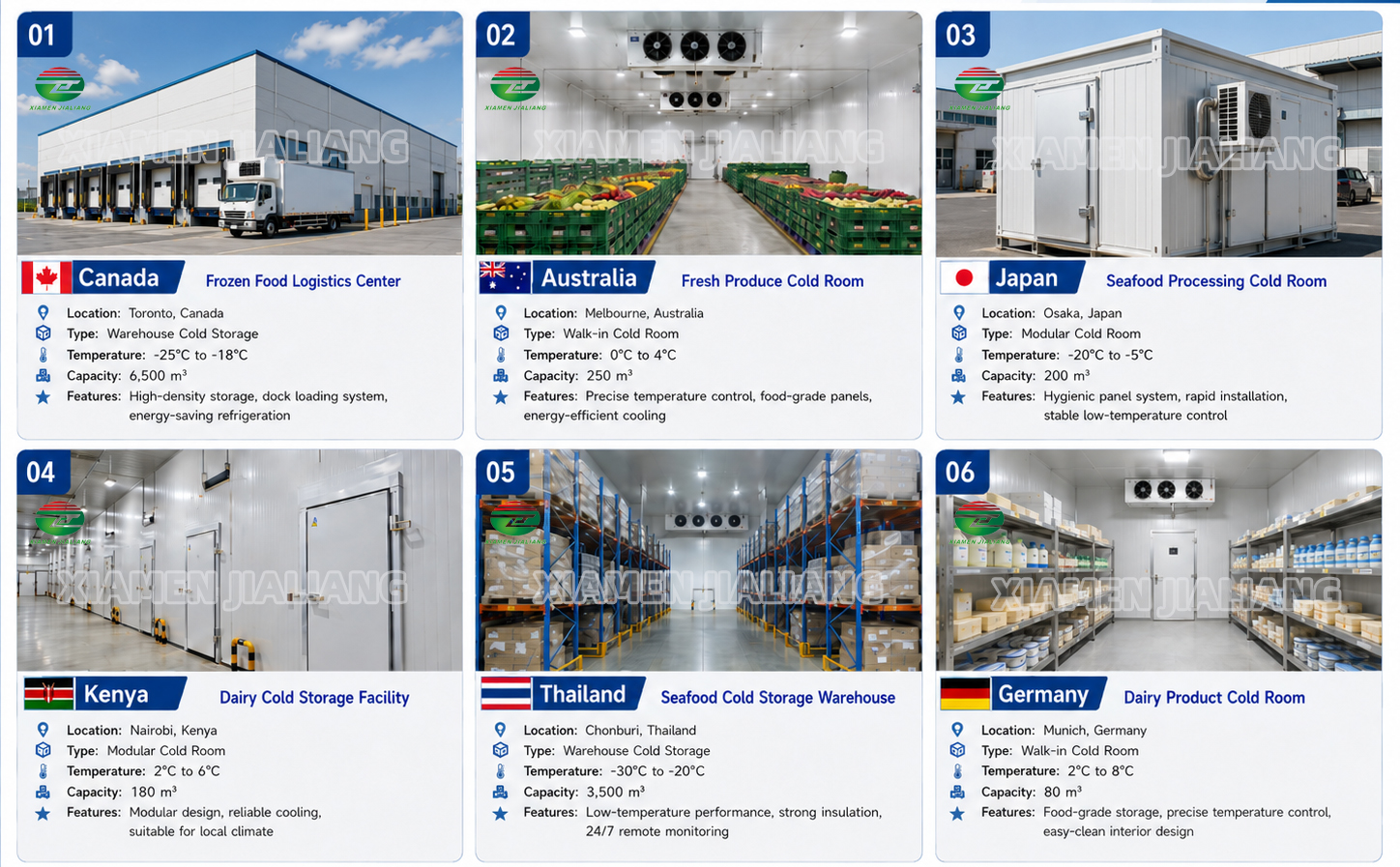
A dual-temperature cold room divides one cold storage facility into two relatively independent temperature zones. Each zone can be set to a different temperature according to the storage requirements of different products.
Common temperature configurations include:
Chilled Zone: 0°C to +10°C
Suitable for fruits, vegetables, beverages, dairy products, and other fresh foods.
Frozen Zone: -18°C to -25°C
Suitable for meat, seafood, frozen foods, and other products requiring long-term low-temperature storage.
The two zones are controlled independently, allowing different types of products to be stored under suitable conditions within the same cold room project.
Main Advantages of a Dual-Temperature Cold Room
1. Two Storage Requirements in One Cold Room
Traditionally, chilled and frozen products often require separate cold rooms. A dual-temperature cold room combines both functions in one facility through proper zoning, making better use of the available space.
2. Independent Temperature Control
Each temperature zone can be adjusted according to the products being stored. This allows chilled and frozen goods to remain under appropriate and stable storage conditions.
3. Better Space Utilization
For supermarkets, restaurants, farms, small food processing plants, and cold-chain distribution centers, a dual-temperature cold room reduces the need for separate storage facilities and provides greater flexibility within limited space.
4. Flexible Customization
The cold room size, temperature-zone ratio, door position, refrigeration equipment, and temperature range can all be customized according to project requirements.
For example:
40% Chilled Zone + 60% Frozen Zone or 60% Chilled Zone + 40% Frozen Zone
The exact ratio can be adjusted according to the type of products stored, storage capacity, and daily turnover.
What Products Can Be Stored?
Dual-temperature cold rooms are particularly suitable for projects that need to store different types of food at the same time.
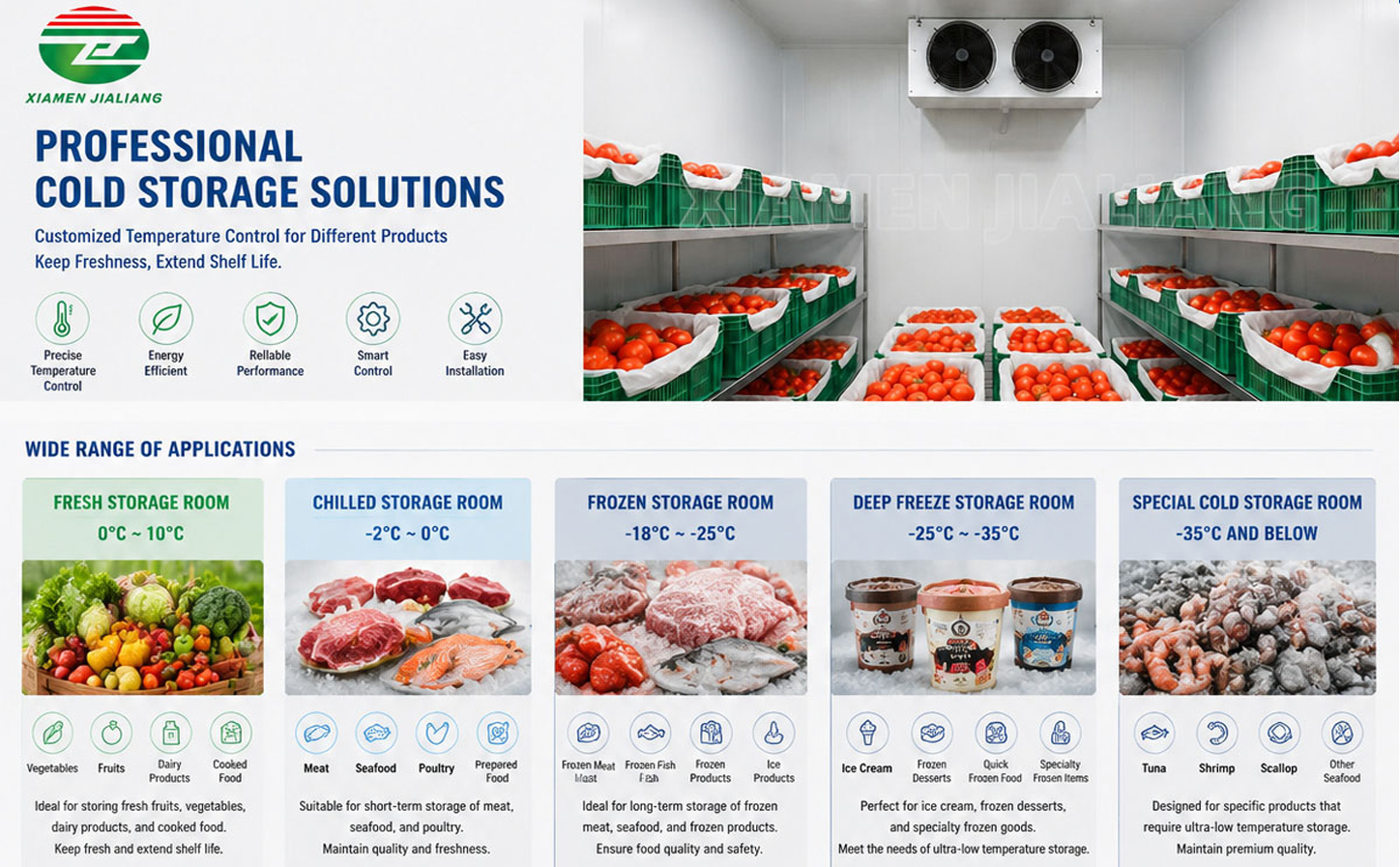
Chilled Zone:
Fruits, vegetables, beverages, dairy products, flowers, and other products requiring fresh storage.
Frozen Zone:
Beef, chicken, fish, seafood, ice cream, frozen foods, and other products requiring low-temperature storage
Dual-temperature cold rooms are therefore widely used in:
Supermarkets and convenience stores
Hotels and restaurants
Food processing plants
Agricultural product storage centers
Meat and seafood processing facilities
Cold-chain distribution centers
Farms and fresh food storage projects
How Does a Dual-Temperature Cold Room Work?
A dual-temperature cold room usually uses insulated panels to separate the two storage zones effectively. Refrigeration systems, evaporators, and temperature control equipment are then configured according to the temperature requirements of each zone.
Temperature sensors continuously monitor the internal conditions. When the temperature rises above the set point, the refrigeration system starts operating. Once the required temperature is reached, the system automatically adjusts its operation to maintain a stable storage environment.
Proper insulation design also helps reduce heat transfer between the two temperature zones and improves overall refrigeration efficiency.
Customized Dual-Temperature Cold Rooms for Different Projects
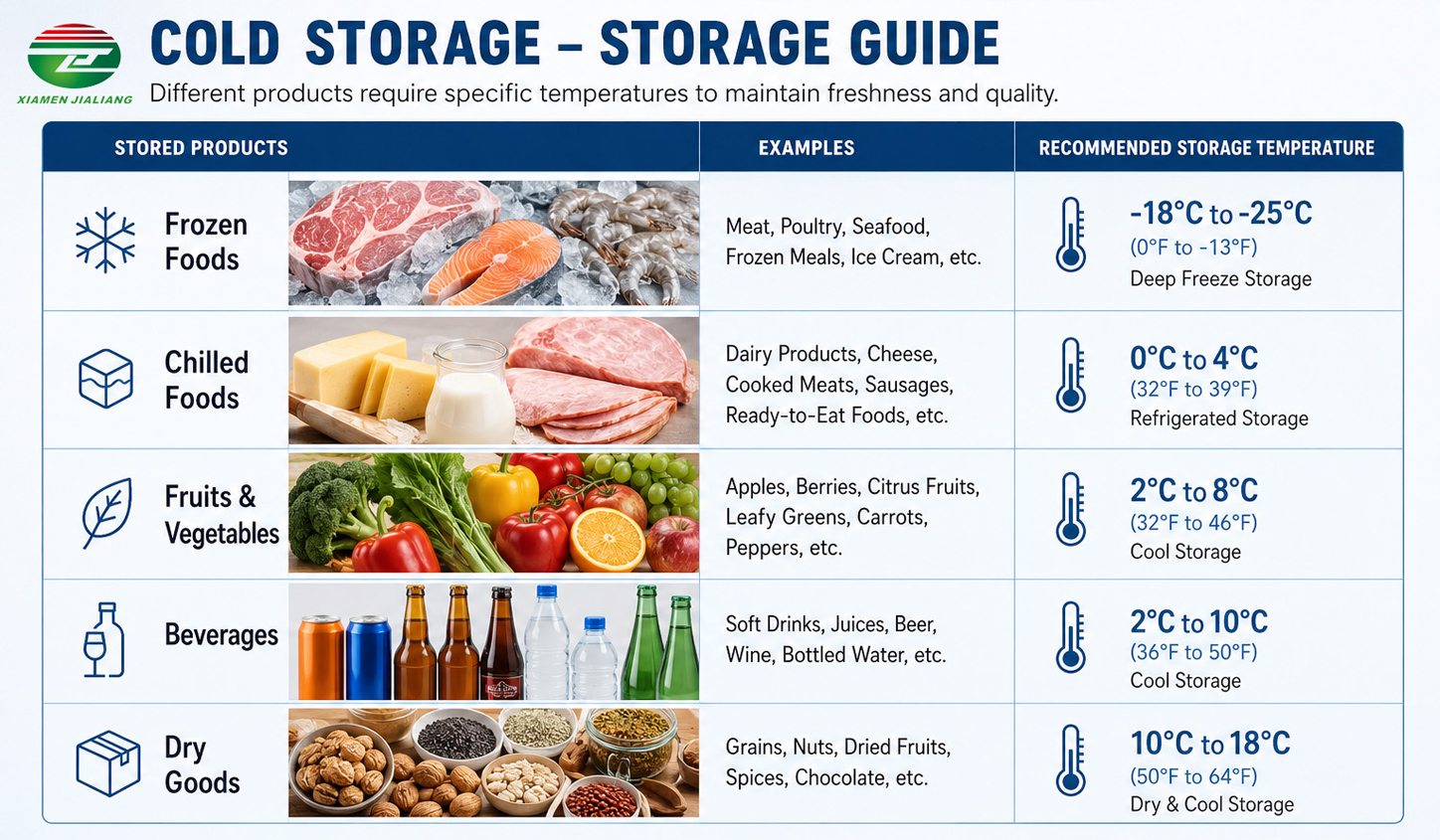
Every cold storage project has different operating conditions. Therefore, dual-temperature cold rooms can be designed according to specific requirements, including:
Cold Room Size
Overall dimensions of the cold room
Temperature Range
Required storage temperatures
Storage Capacity
Amount of products to be stored
Product Type
Types of products stored
Daily Loading Capacity
Daily loading and unloading volume
Ambient Temperature
Local environmental temperature
By selecting suitable insulation panel thickness, refrigeration units, evaporators, and control systems, a reliable cold storage solution can be designed for different countries and climate conditions.
For more information, please visit www.coldroomjl.com