How to Choose the Right Cold Room for a Hotel or Restaurant
How to Choose the Right Cold Room for a Hotel or Restaurant
For hotels, restaurants, commercial kitchens, catering companies, and food-service businesses, a cold room is much more than a refrigerated storage space.
The right cold storage system can help improve food safety, reduce product waste, lower operating costs, and make daily kitchen operations more efficient.
Different foods require different storage temperatures, humidity levels, and storage conditions. Fresh vegetables, seafood, meat, dairy products, frozen food, beverages, desserts, and specialty products may all require different environments.
For this reason, choosing the right cold room should be based on your products, storage volume, available space, operating conditions, and future business growth.
Here are the most important factors hotels and restaurants should consider when choosing a commercial cold room.
1. Firstly, determine what products need to be stored
The first step before choosing a cold storage is to clarify the main types of food to be stored.
Different products require different storage temperatures. For example:
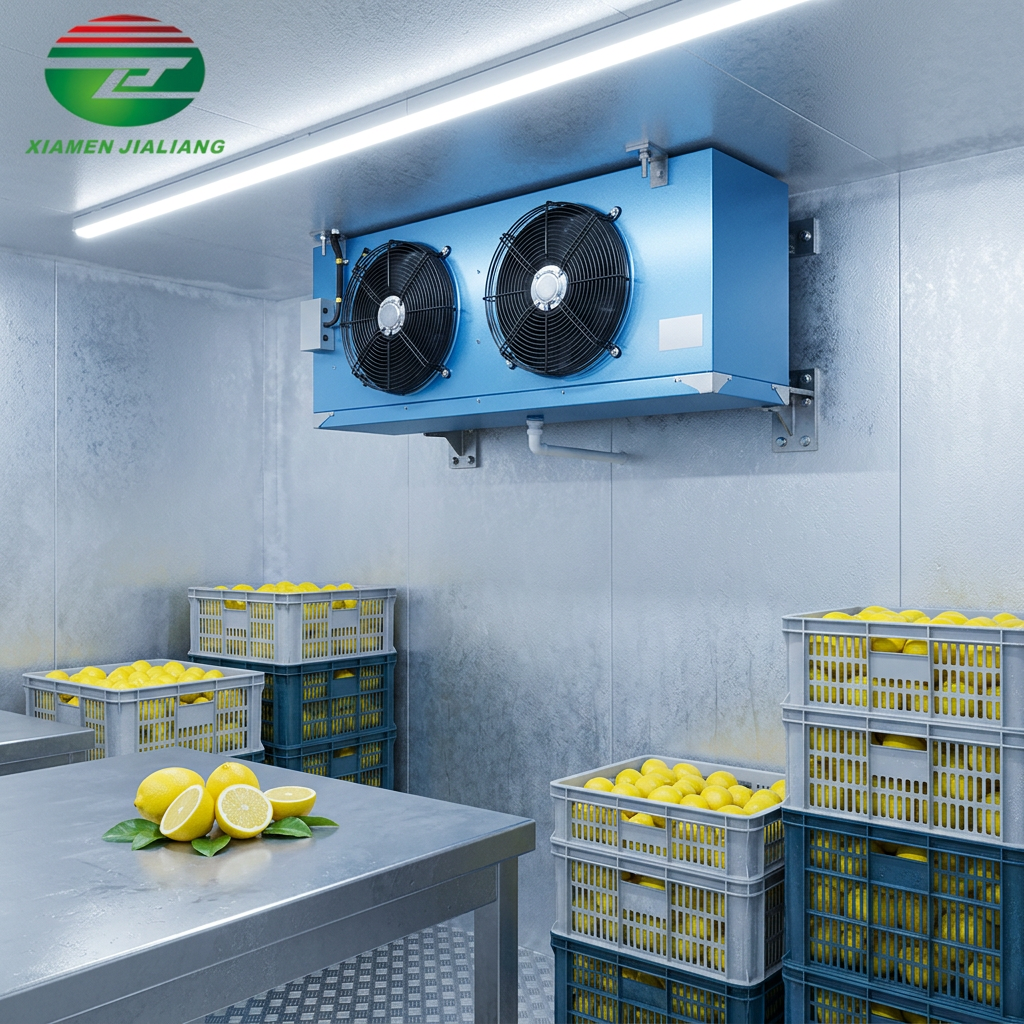
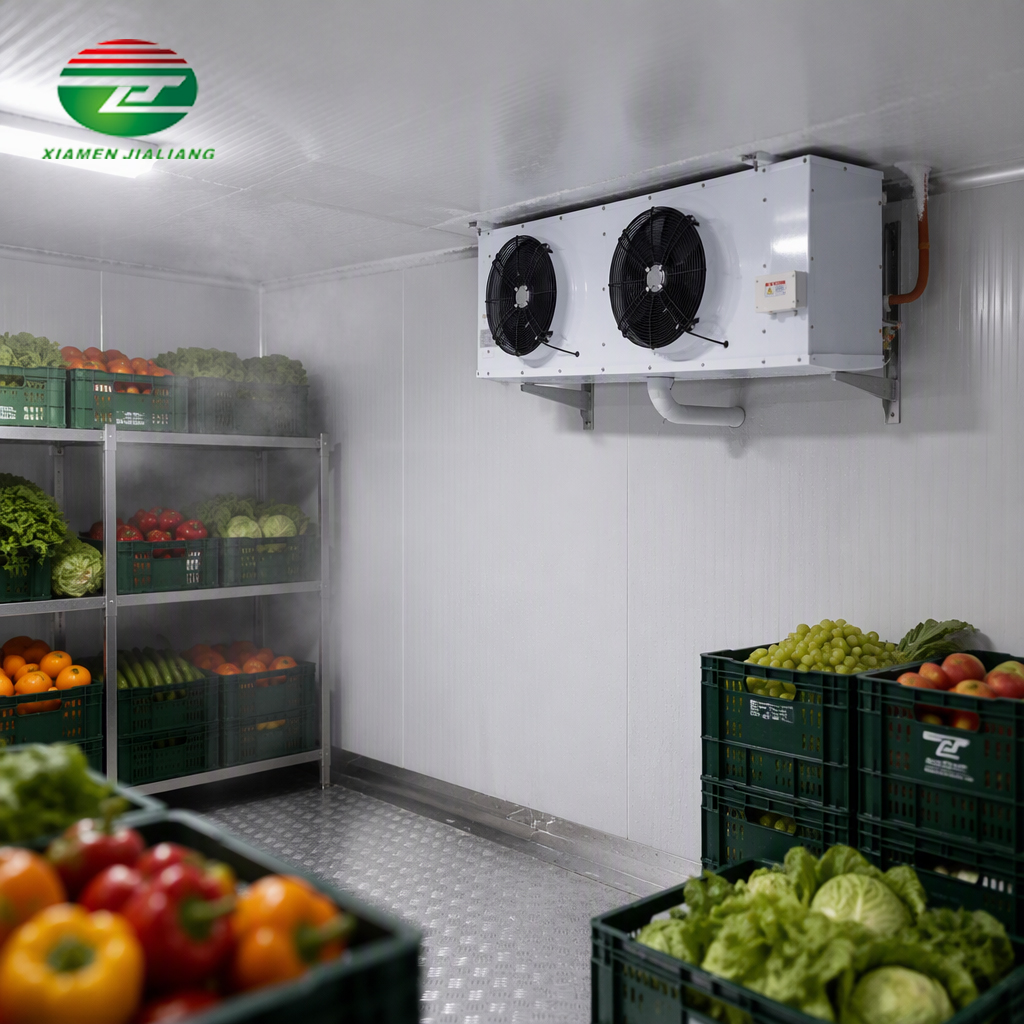
Fresh vegetables and fruits are usually suitable for refrigerated storage
Meat and seafood usually require lower temperatures
Frozen food needs to be kept in a frozen environment for a long time
Beverages, dairy products, and desserts typically require stable refrigeration temperatures
Special products such as flowers, chocolate, and wine may require separate temperature and humidity control
If a hotel or restaurant stores multiple products simultaneously, it is recommended to consider setting up different temperature zones, such as refrigerated storage, freezer, or multi zone cold storage.
2. Cold storage or freezer room?
The common cold storage facilities in hotels and restaurants are mainly divided into two categories:
Cold storage is mainly used for short-term preservation of fresh food, such as:
vegetable
fruit
dairy products
Beverage
delicatessen
Seasoning
Partial fresh meat
The common temperature range is approximately 0 ° C to 10 ° C, and the specific temperature should be adjusted according to the stored product.
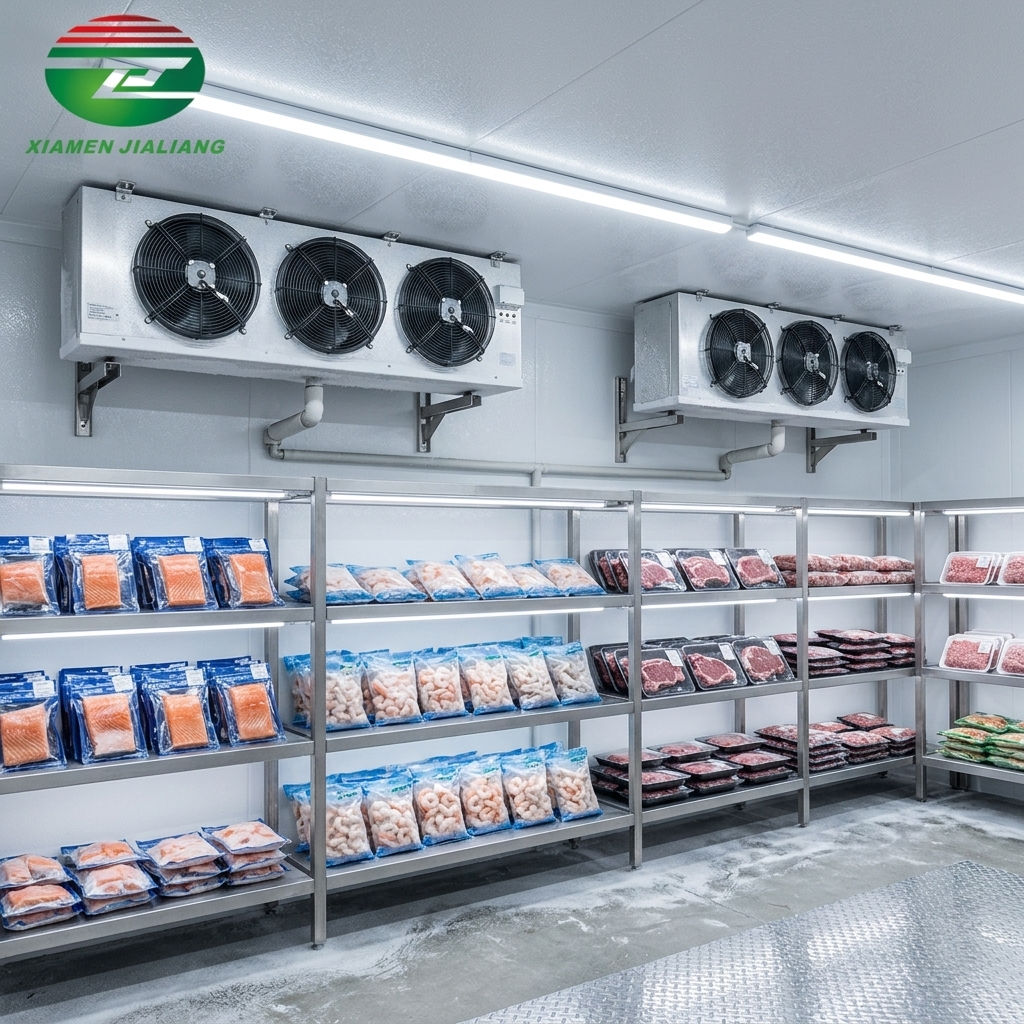
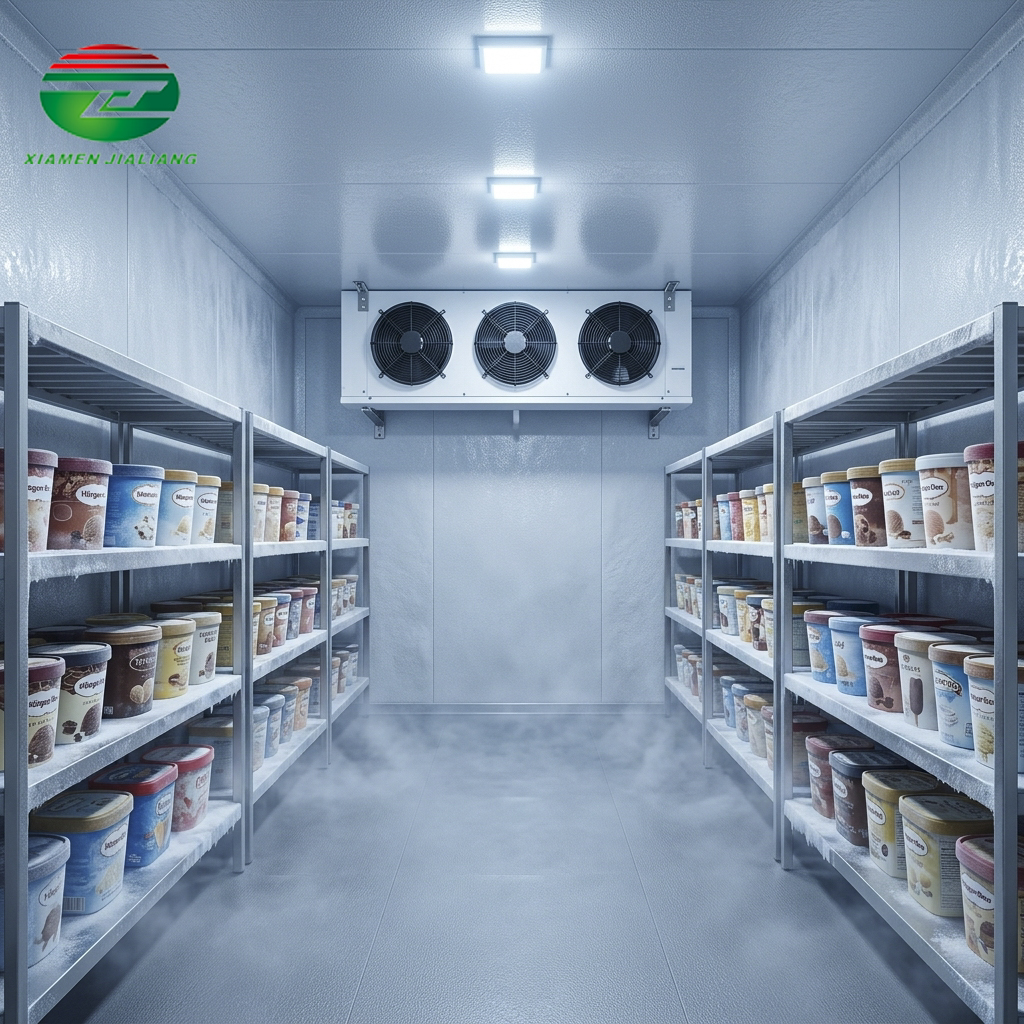
The freezer room is mainly used for long-term storage:
meat frozen
seafood
ice cream
frozen food
Prepared foods
Commercial freezers typically require maintaining a low and stable temperature.
For large hotels, restaurants, or central kitchens, it is usually recommended to design separate refrigerators and freezers.
3. Choose the size of the cold storage based on the size of the restaurant
The size of the cold storage should be calculated based on the following factors:
1. Daily food procurement quantity
2. Food turnover speed
3. Peak inventory
4. Supplier delivery frequency
5. Rear kitchen space
6. Future business growth
If the cold storage is too small and the food is stacked too densely, it will affect the circulation of cold air and cause uneven internal temperature.
If the cold storage is too large, it may increase equipment investment and long-term electricity costs.
Therefore, it is very important to calculate storage capacity reasonably.
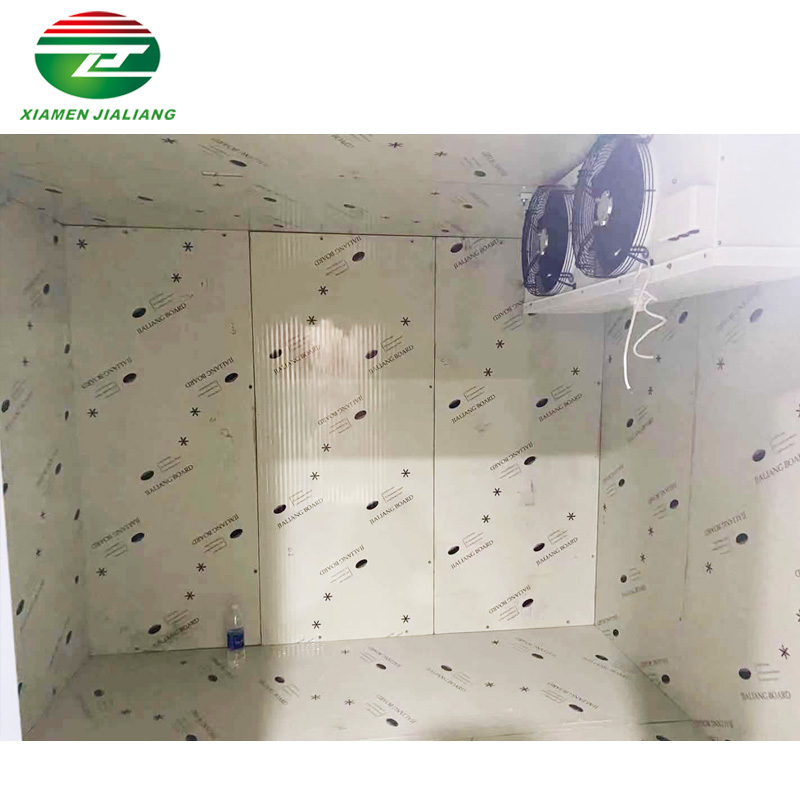
4. Pay attention to the insulation performance of the cold storage
The insulation performance of a cold storage directly affects the cooling effect and energy consumption.
Commercial cold storage facilities typically use insulation boards for installation, such as:
1. Polyurethane insulation board
2. PIR insulation board
When choosing a cold storage, you can focus on:
Thickness of insulation board
Density of insulation material
fire performance
Moisture resistance performance
Sealing performance of door body
Ground insulation
A good insulation structure can reduce cooling loss, decrease compressor operating time, and help maintain stable temperature.
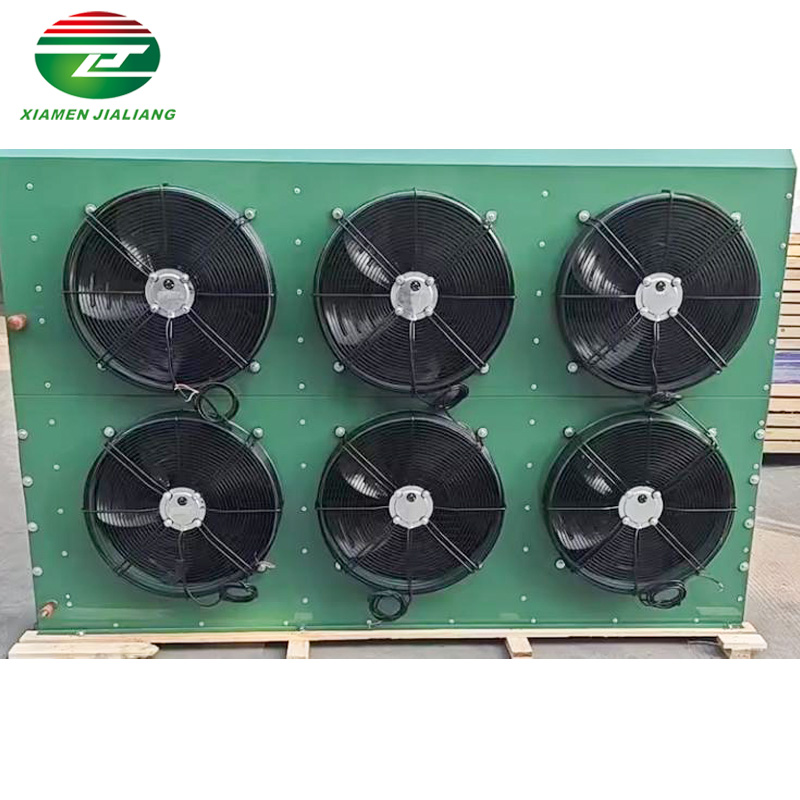
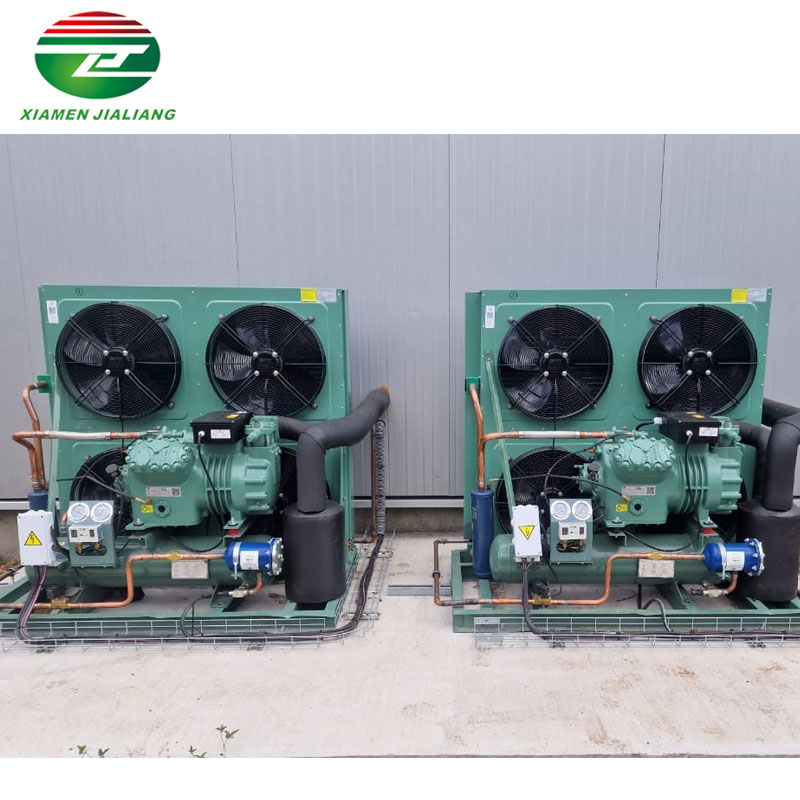
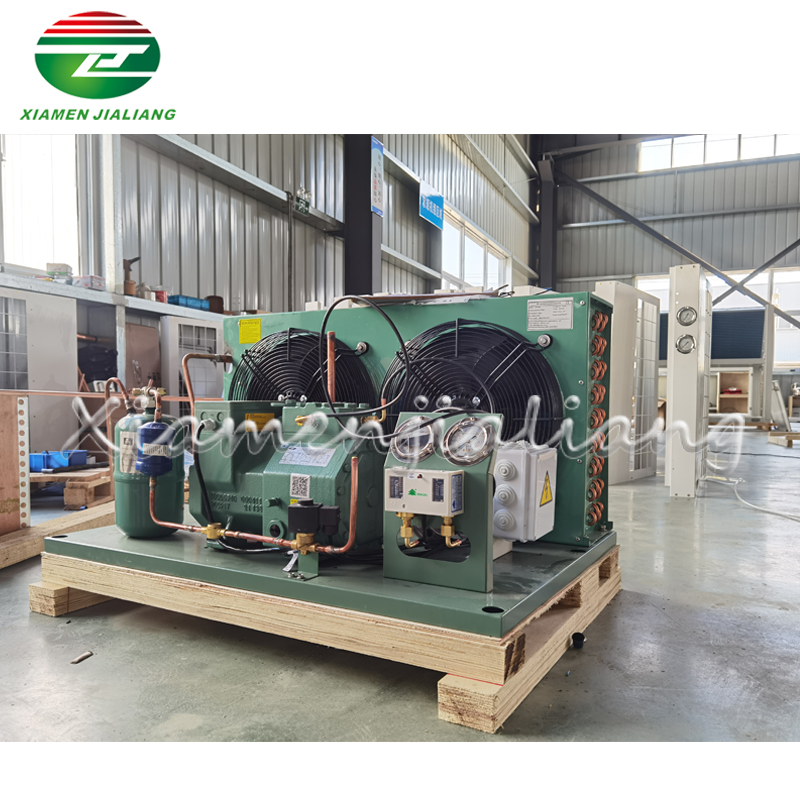
5. The stability of the refrigeration system is very important
For hotels and restaurants, cold storage usually requires year-round operation.
Therefore, the stability of the refrigeration system is crucial.
When choosing equipment, it is not recommended to only compare prices.
More consideration should be given to:
1. Brand reliability
2. Refrigeration efficiency
3. Energy consumption
4. Noise
5. Convenience of maintenance
6. Is it easy to find accessories locally
For high-end hotels and large restaurants, stable operation is usually more important than low purchase prices
6. Cold storage door design is also important
The kitchen of a restaurant usually enters and exits the cold storage frequently, and each time the door is opened, it will cause a loss of cooling capacity. Therefore, you can choose according to the frequency of use:
1. Sliding door
2. hinged door
3. Automatic doors
4. Quick rolling shutter door
If staff need to frequently enter the cold storage every day, PVC door curtains can be added to reduce the loss of cold air.
For cold storage with hand carts entering and exiting, door width, ground slope, and anti-collision design also need to be considered.
7. Design the Interior for Efficient Kitchen Operation
Cold room layout should support everyday kitchen workflow.
A practical cold room design may include:
1. Food-grade shelving
2. Clear walkways
3. Product separation areas
4. Easy-to-read labels
5. Adequate air circulation
6. Easy-to-clean flooring
7.Proper drainage
8. Food Safety and Hygiene Are Essential
Food safety is especially important for hotels, restaurants, and commercial kitchens.
A cold room should be designed with hygiene in mind.
Important considerations include:
1.Food-grade materials
2.Moisture resistance
3.Mold resistance
4.Easy-clean surfaces
5. Anti-slip flooring
6. Drainage
7. Temperature monitoring
8. Product separation
Raw and cooked food should generally be stored separately.
Meat, seafood, vegetables, and ready-to-eat food should also be organized according to local food-safety regulations.
What Information Should You Give a Cold Room Supplier?
Before requesting a quotation, provide the supplier with the following information:
1. What products will be stored?
2. What storage temperature is required?
3. How much product will be stored?
4. Where will the cold room be installed?
5. What space is available?
6. What is the local ambient temperature?
7. What electrical supply is available?
8. How frequently will the door be opened?
9. Do you need both refrigerated and frozen storage?
10. Do you require remote temperature monitoring?
The more information you provide, the easier it will be for the supplier to recommend the correct cold room size and refrigeration system.
Conclusion
Choosing the right cold room can help a hotel or restaurant improve food safety, reduce product waste, increase kitchen efficiency, and control long-term operating costs.
Instead of focusing only on price, buyers should consider storage temperature, room size, insulation quality, refrigeration equipment, energy efficiency, door usage, food-safety requirements, and after-sales service.
A properly designed commercial cold room can become an important part of a reliable and efficient hotel or restaurant kitchen.
For more information, please visit www.coldroomjl.com