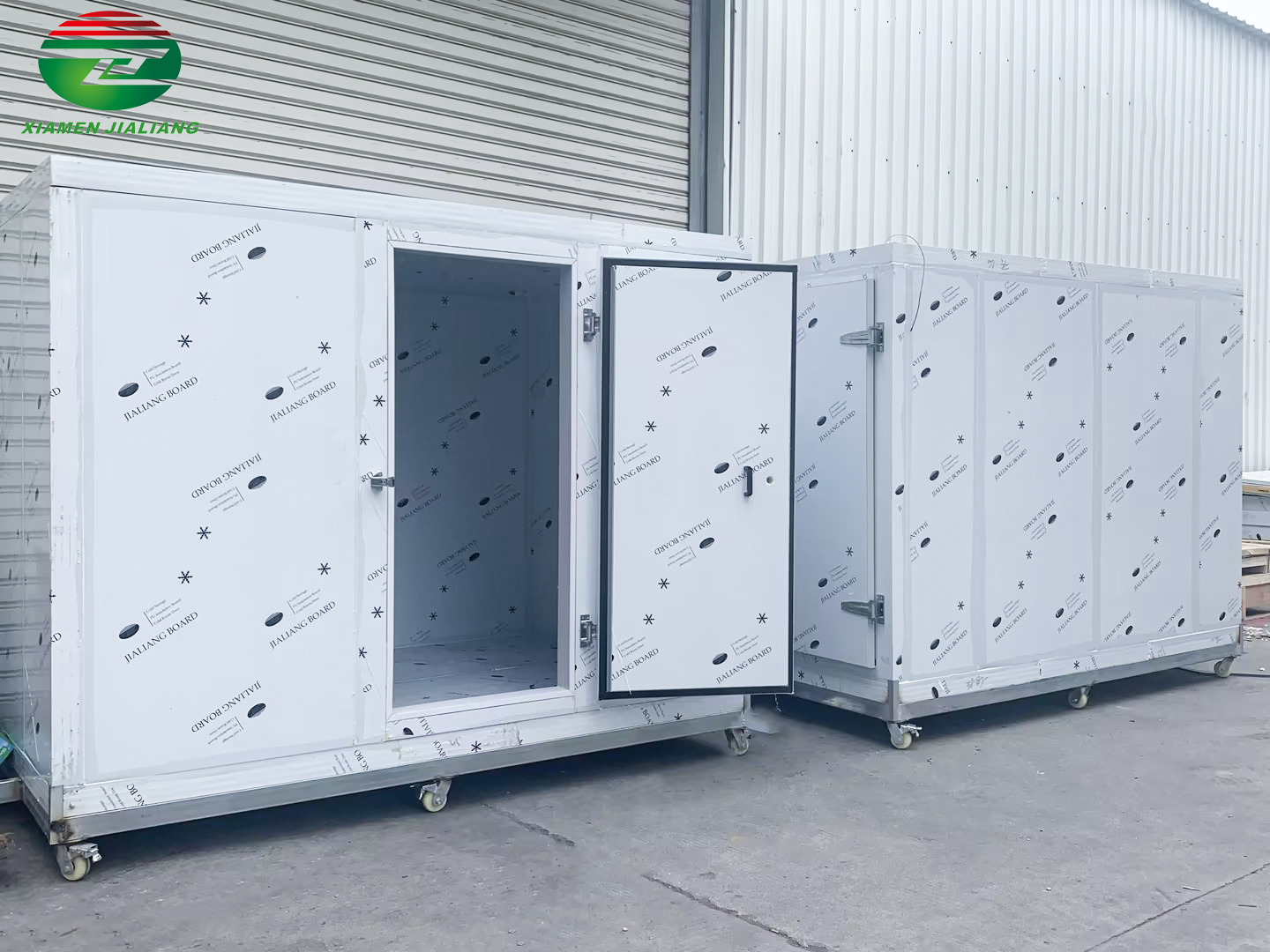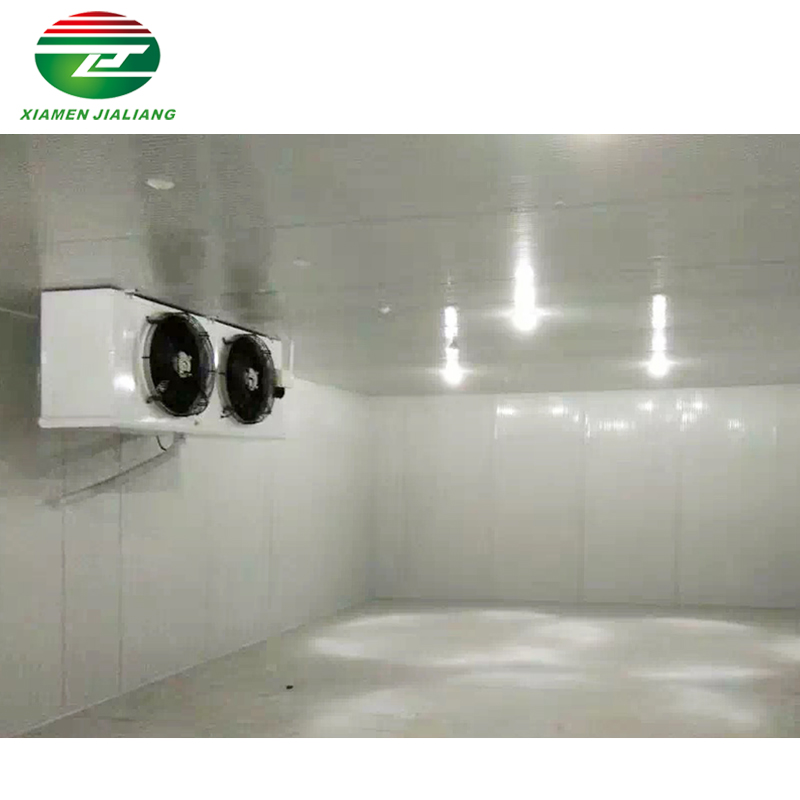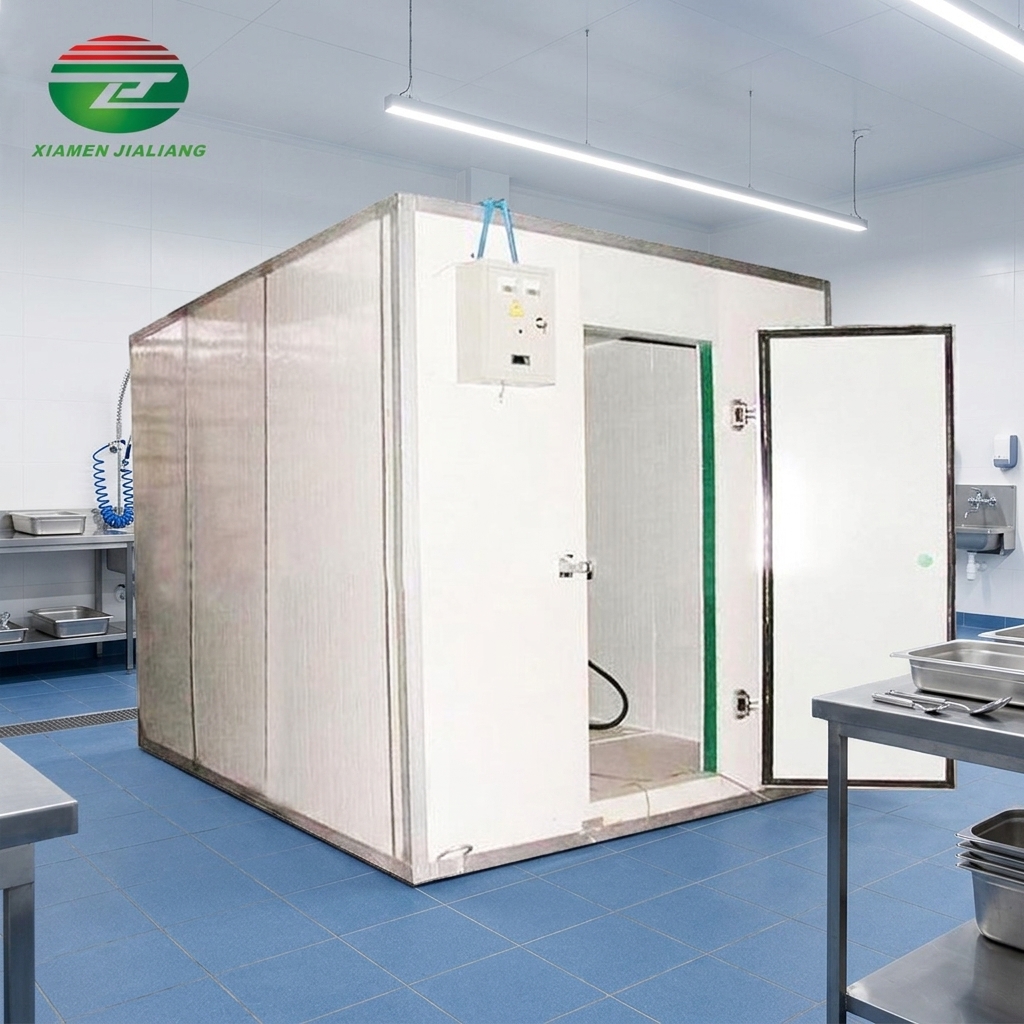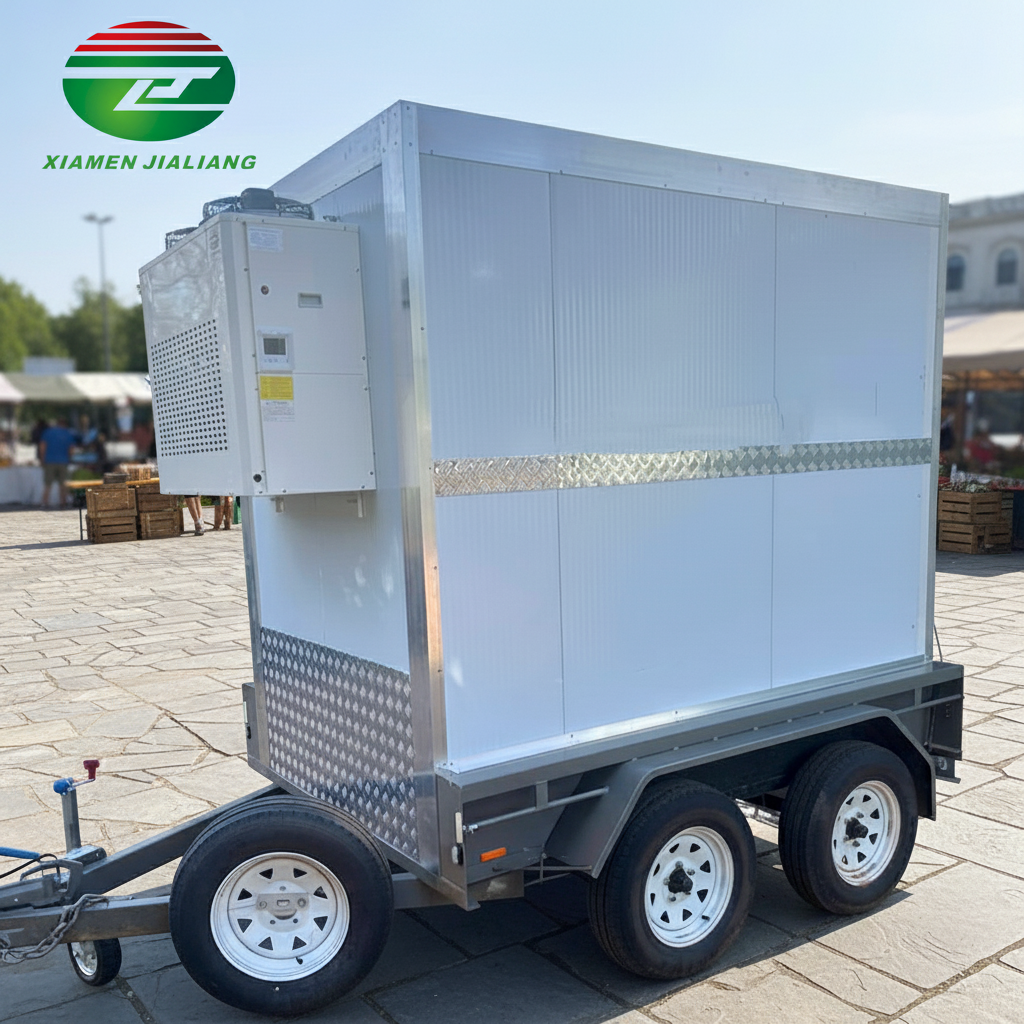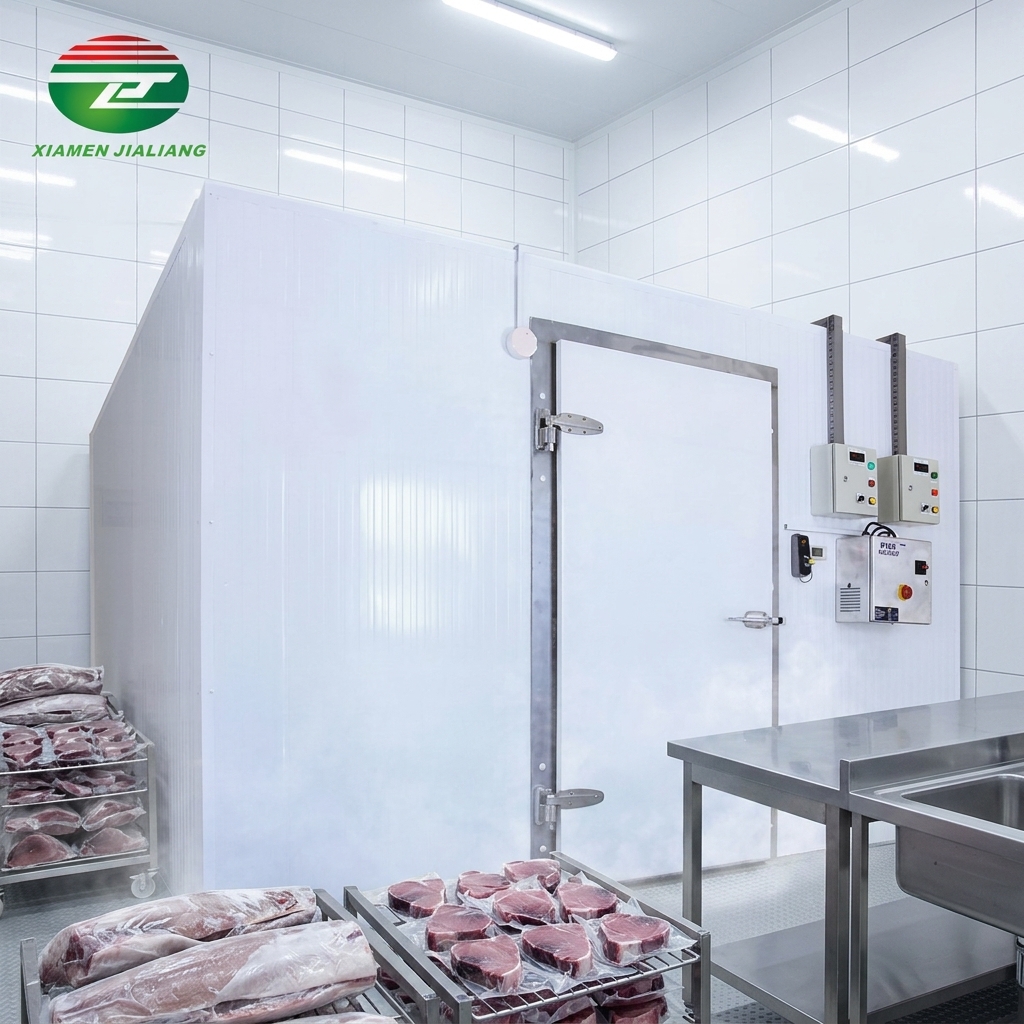

- Excellent performance 15x10m cold room 100mm cold room for fish
Green Technology for Cold Storage
- Get A Quote
- Description
- Features
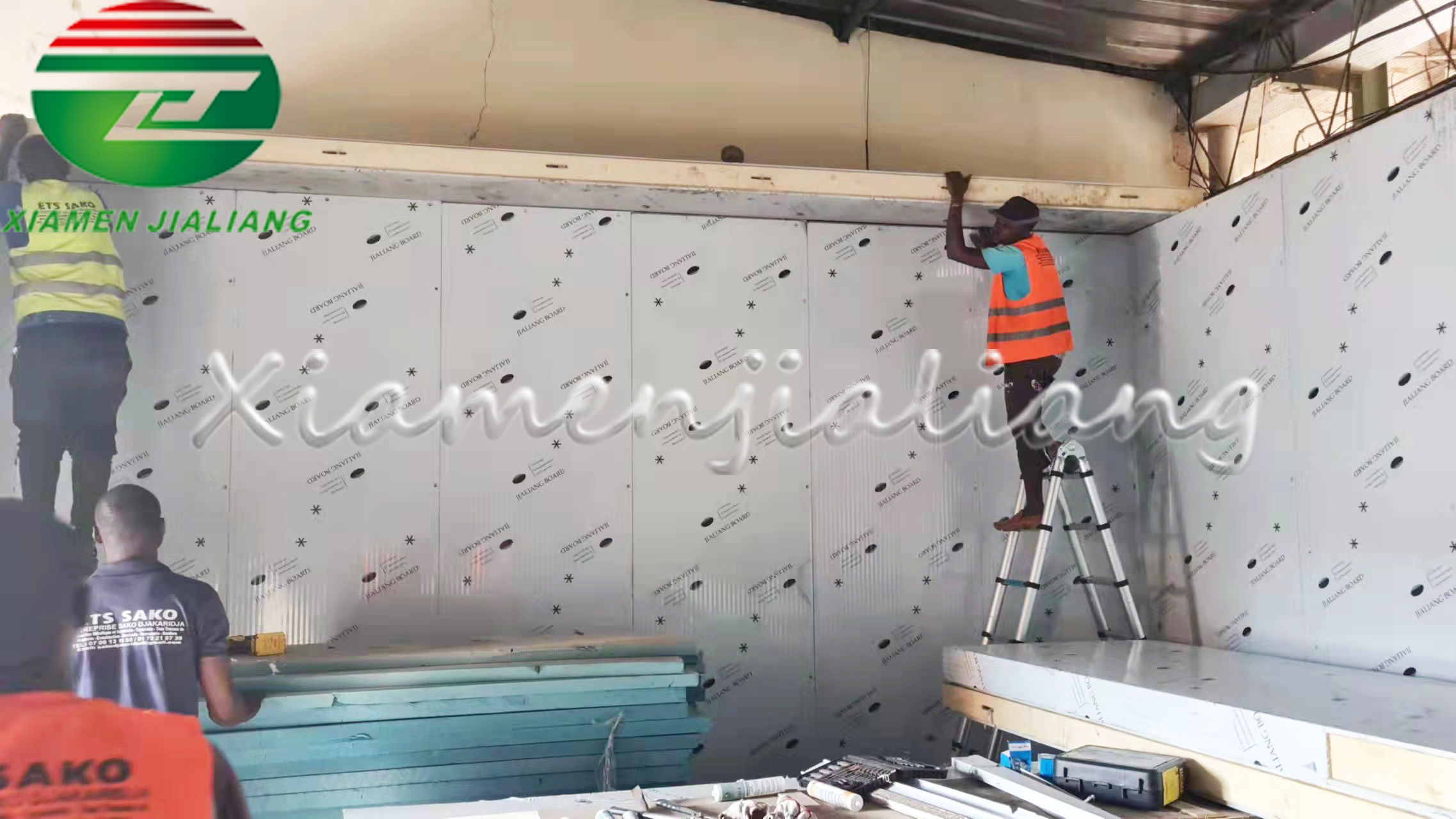
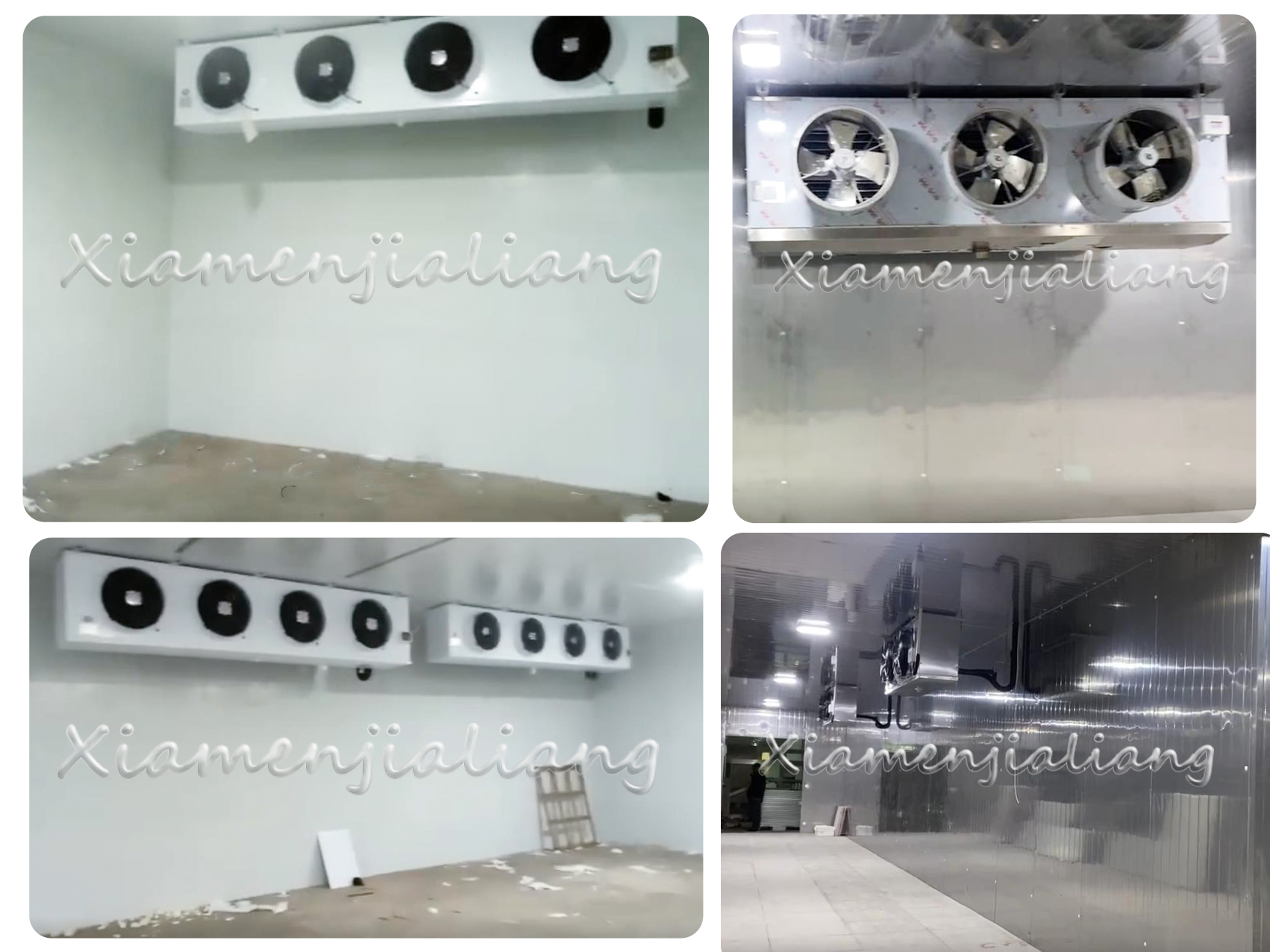
Customer live shot
Characteristics of Meat Cold Rooms:
1. **Advanced Panel Selection:** Meat cold rooms feature panels made from colored steel or stainless steel. These panels effectively reduce heat transfer resulting from temperature differences, ensuring high refrigeration and meeting stringent hygiene standards.
2. **Automated Temperature Control:** Equipped with a microcomputer-controlled, fully automatic digital display electrical controller, meat cold rooms maintain constant temperatures without manual intervention, ensuring optimal storage conditions.
3. **Energy Efficiency and Low Noise:** Meat cold storages employ either imported or locally produced refrigeration compressors known for their energy-efficient operation and minimal noise levels, enhancing efficiency and minimizing disruption.
4. **Superior Insulation:** Utilizing advanced composite materials for insulation, meat cold rooms incorporate composite panel walls. These walls are lightweight, yet possess high strength, excellent insulation properties, and resistance to corrosion. They excel even in ultra-low temperature environments, preserving meat quality effectively.
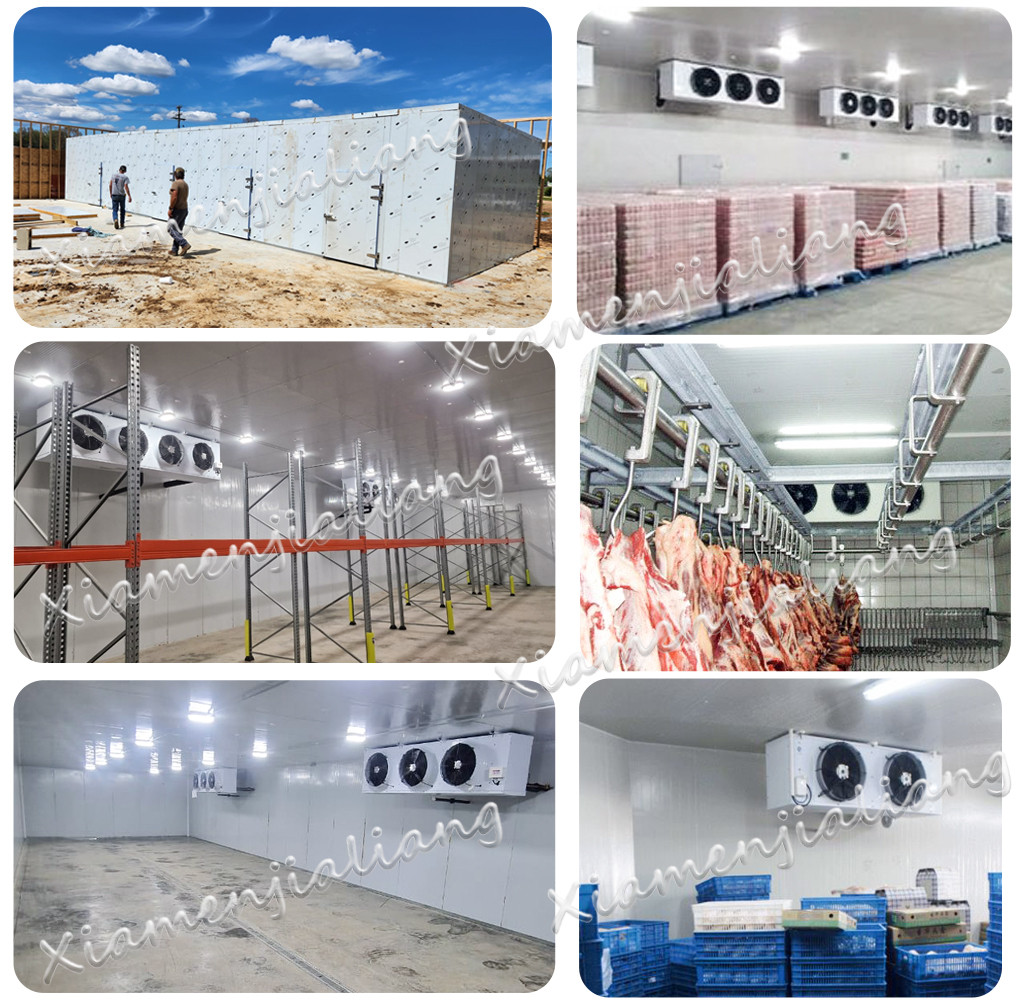
The construction temperature of meat cold room is generally -18 ℃ Celsius to ensure the freshness of meat. Meat cold room can be used to store beef, lamb, seafood, pork, poultry, etc. The temperature and humidity of different types of meat storage may also vary.
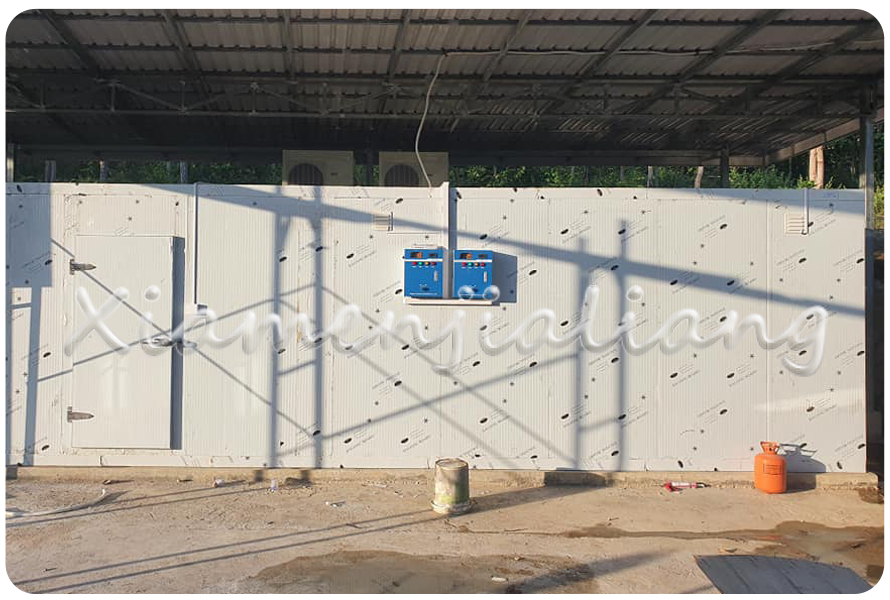
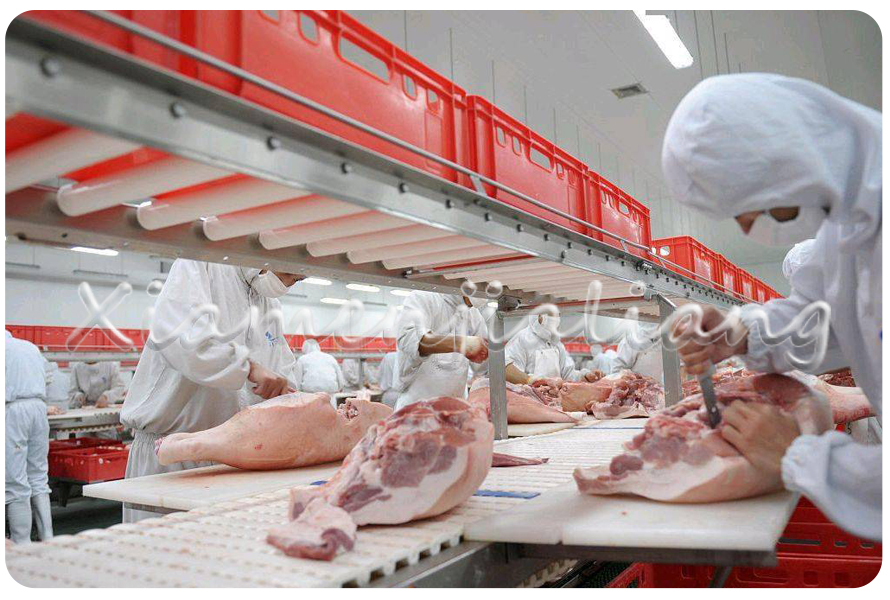
Here are the recommended storage temperatures for various frozen meats:
- Frozen Pork:** Store at temperatures ranging from -24°C to -18°C for optimal preservation.
- Frozen Rabbit Meat:** Maintain temperatures between -24°C and -18°C to ensure the freshness of rabbit meat.
- Frozen Lamb:** Store at temperatures between -12°C and -18°C to preserve the quality of frozen lamb.
- Frozen Ham:** Keep frozen ham at temperatures between -24°C and -18°C to maintain its quality and taste.
- Frozen Poultry Meat:** Store frozen poultry meat within the temperature range of -23°C to -17°C for the best results in terms of freshness and flavor retention.
Proper temperature control is essential for preserving the quality and safety of frozen meats.
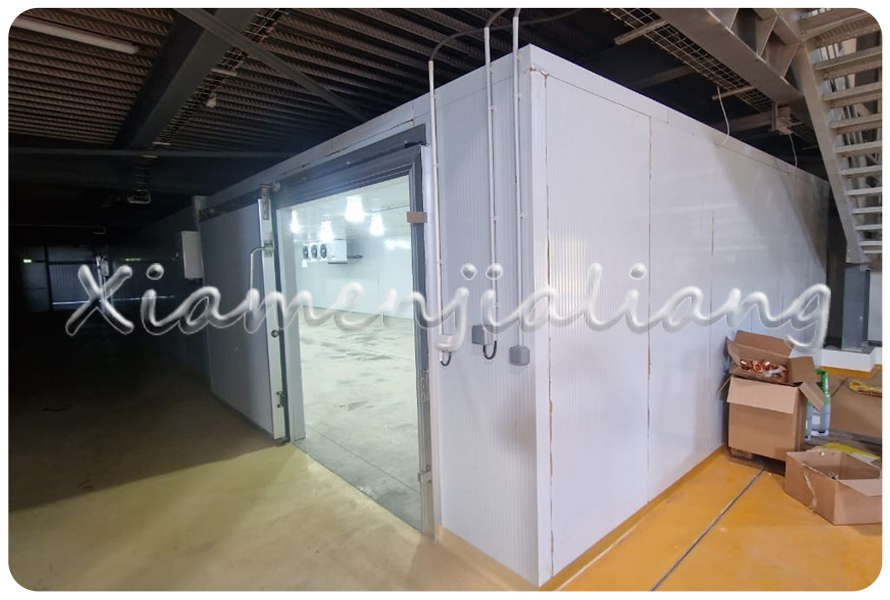
Product Introduction
| Dimension | Length(m)*Width(m)*Height(m) |
| Panel thickness | 50/75/100/120/150/200mm |
| Material | Color steel/Stainless steel |
| Voltage | 220V/50Hz,220V/60Hz,380V/50Hz,380V/60Hz,440V/60Hz optional |
| Refrigeration type | Air cooled/Water cooled/Evaporation cooled |
| Type of Door | Sliding door/Swing door/Double door |
| Brand Name | Xiamen Jialiang |
Customized Service
To provide you with precise product information and pricing, please provide the following details:
1. Cold Room Dimensions: Specify the dimensions of the cold room in terms of length, width, and height (in meters or feet).
2. Type of Food to Store: Describe the specific type of food or products you intend to store in the cold room, such as meat, vegetables, seafood, etc.
3. Country of Use: Mention the country where the cold room will be installed and used. Local regulations and climate conditions may impact the design and specifications.
4. Voltage: Specify the voltage requirements for the cold room, including the voltage type (e.g., single-phase or three-phase) and the voltage level (e.g., 220V, 380V). Additionally, note the local frequency (e.g., 50Hz or 60Hz) if it differs from standard frequencies.
These details will enable us to provide you with accurate product recommendations and pricing tailored to your specific needs.
Factory Strength
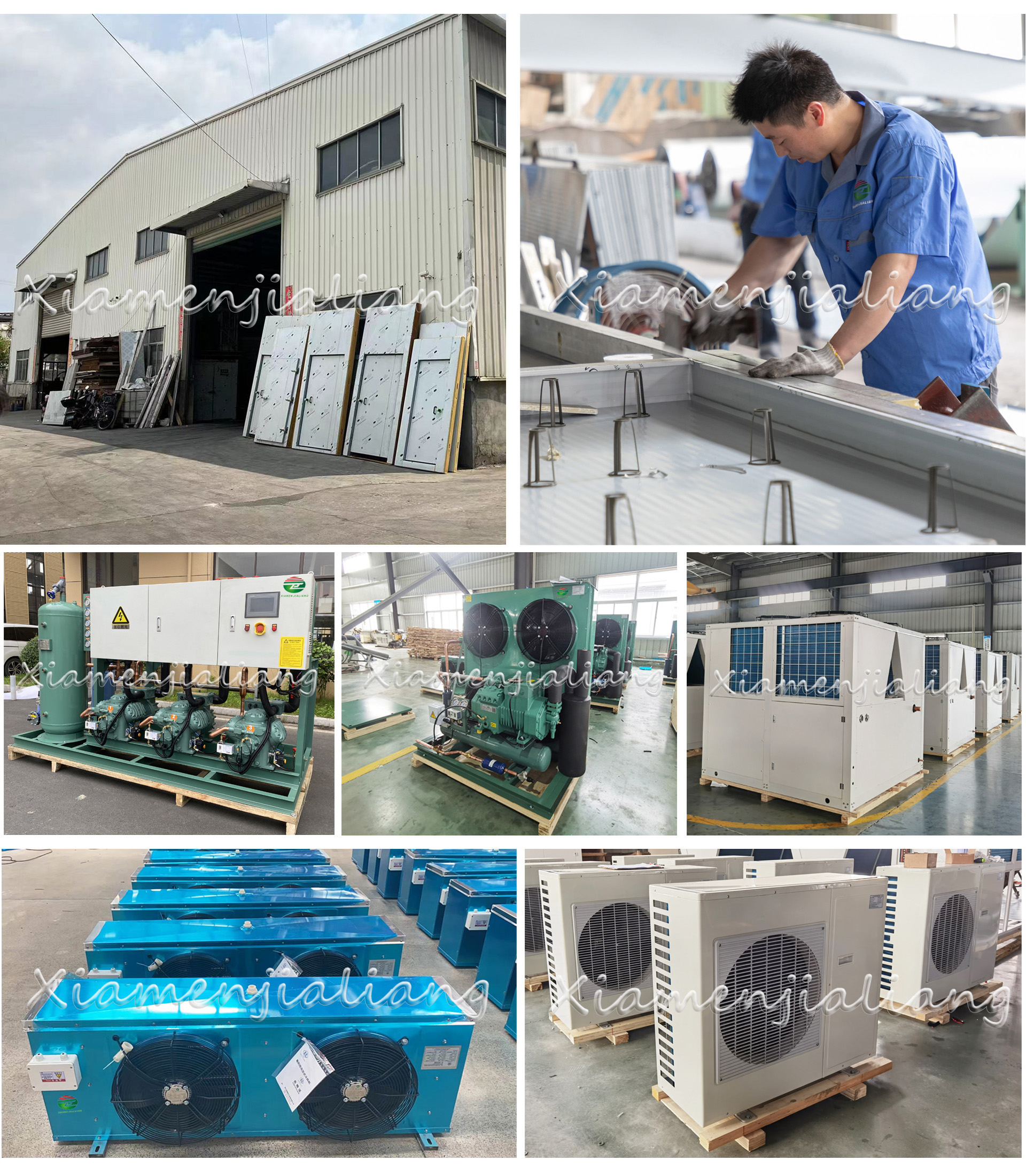
Xiamen Jialiang: Your Cold Room Solution Partner
Xiamen Jialiang stands at the forefront as a premier cold room and refrigeration unit designer, manufacturer, and exporter. Our commitment is unwavering as we strive to deliver the highest quality Cold Rooms, Condensing Units, Evaporators, Doors, PU Panels, and more.
We take pride in being a manufacturing factory that specializes in providing comprehensive one-stop cold room solutions. From meticulous cold room planning and design to seamless equipment provision, we offer professional, personalized services that guarantee you a truly worry-free buying experience.
Our vision extends beyond mere business success; we aspire to be skilled craftsmen dedicated to crafting perfect products. The pursuit of perfection continually fascinates us. Our track record of stable quality, competitive pricing, and genuine customer service has enabled us to attract a growing customer base.
Looking ahead, we envision a future where our products bring you a fresher, higher-quality life. We invite you to join us in realizing this dream and extending the benefits of a high-quality life to more and more people. Together, we can make it happen.
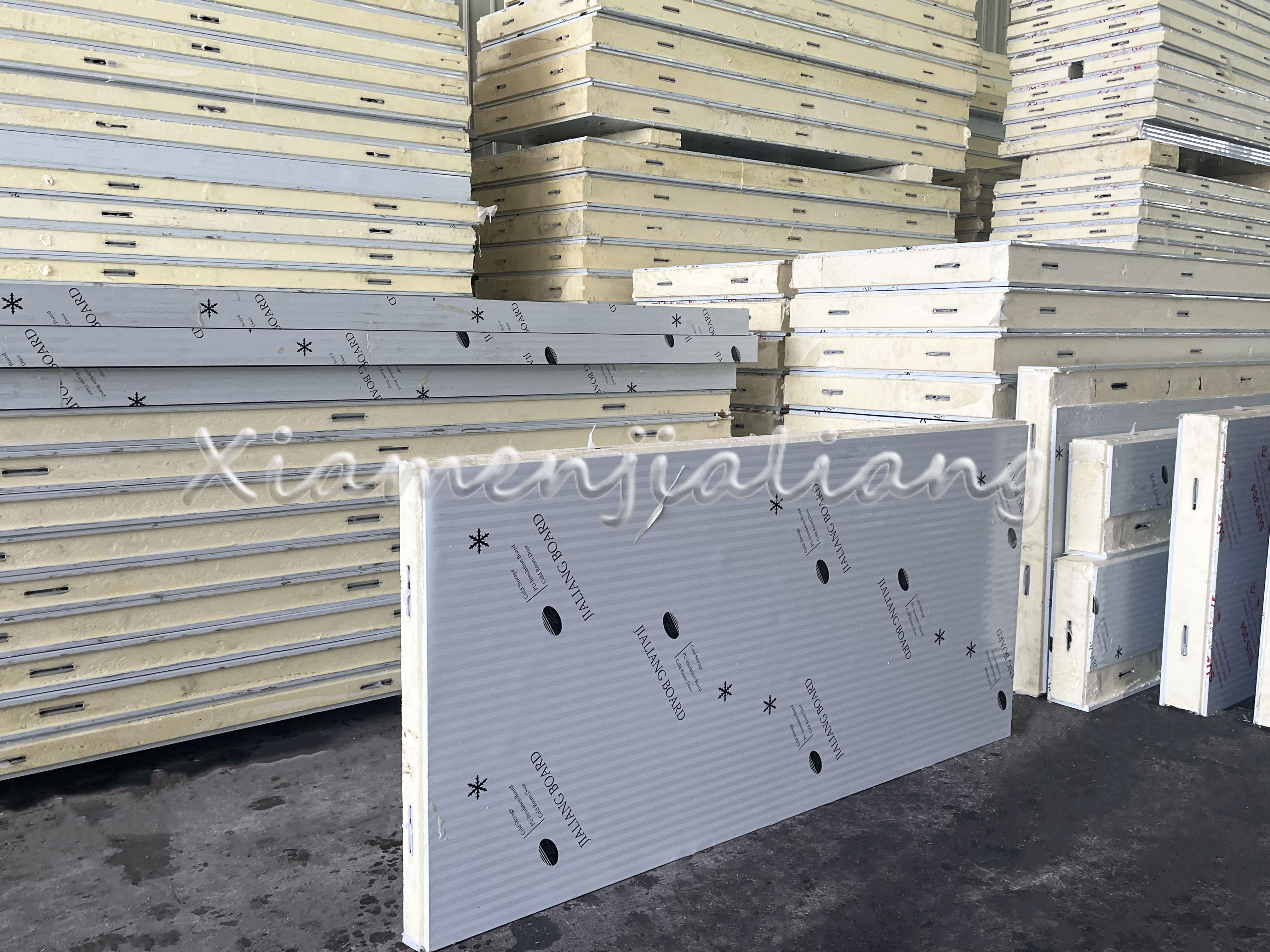
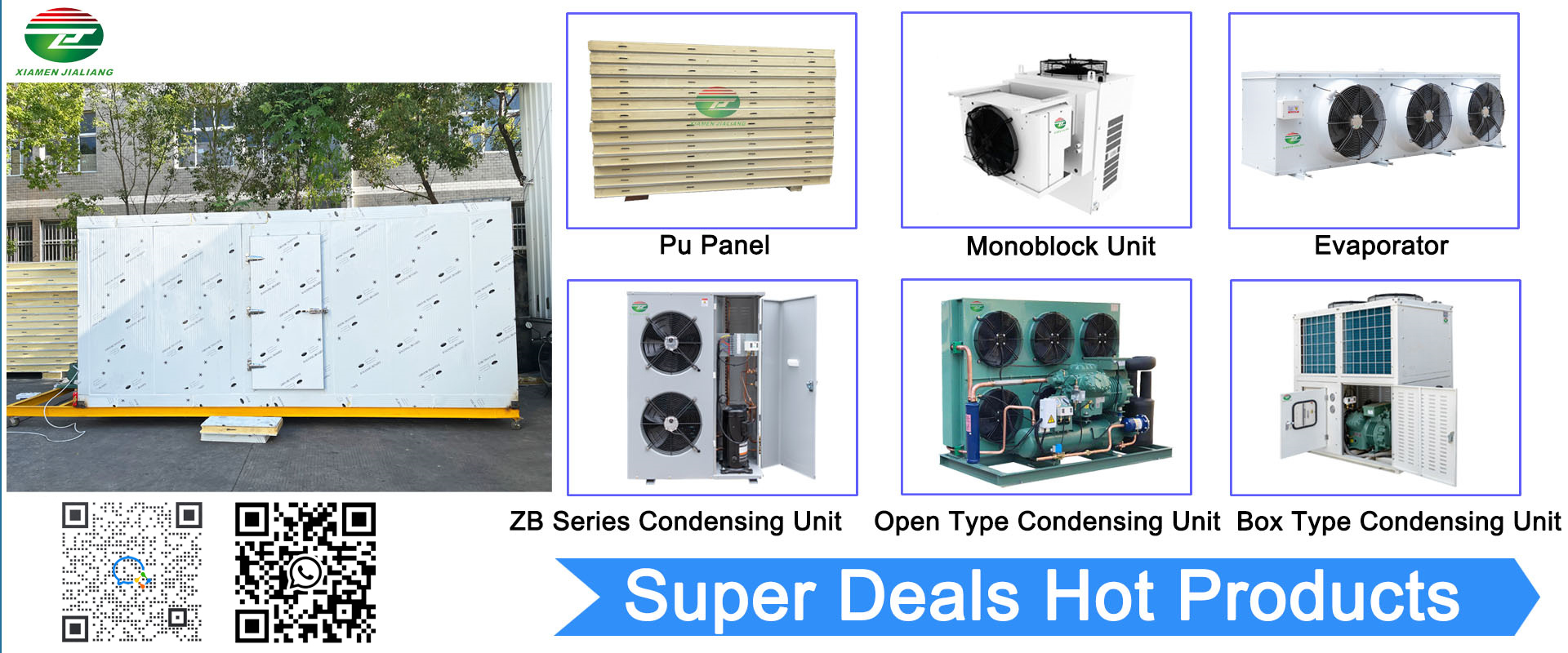
Cold room panels are generally pre produced by manufacturers and have a fixed length, width, and thickness. High and medium temperature cold rooms generally use 10cm thick panels, while low temperature and frozen storage rooms generally use 12cm or 15cm thick panels
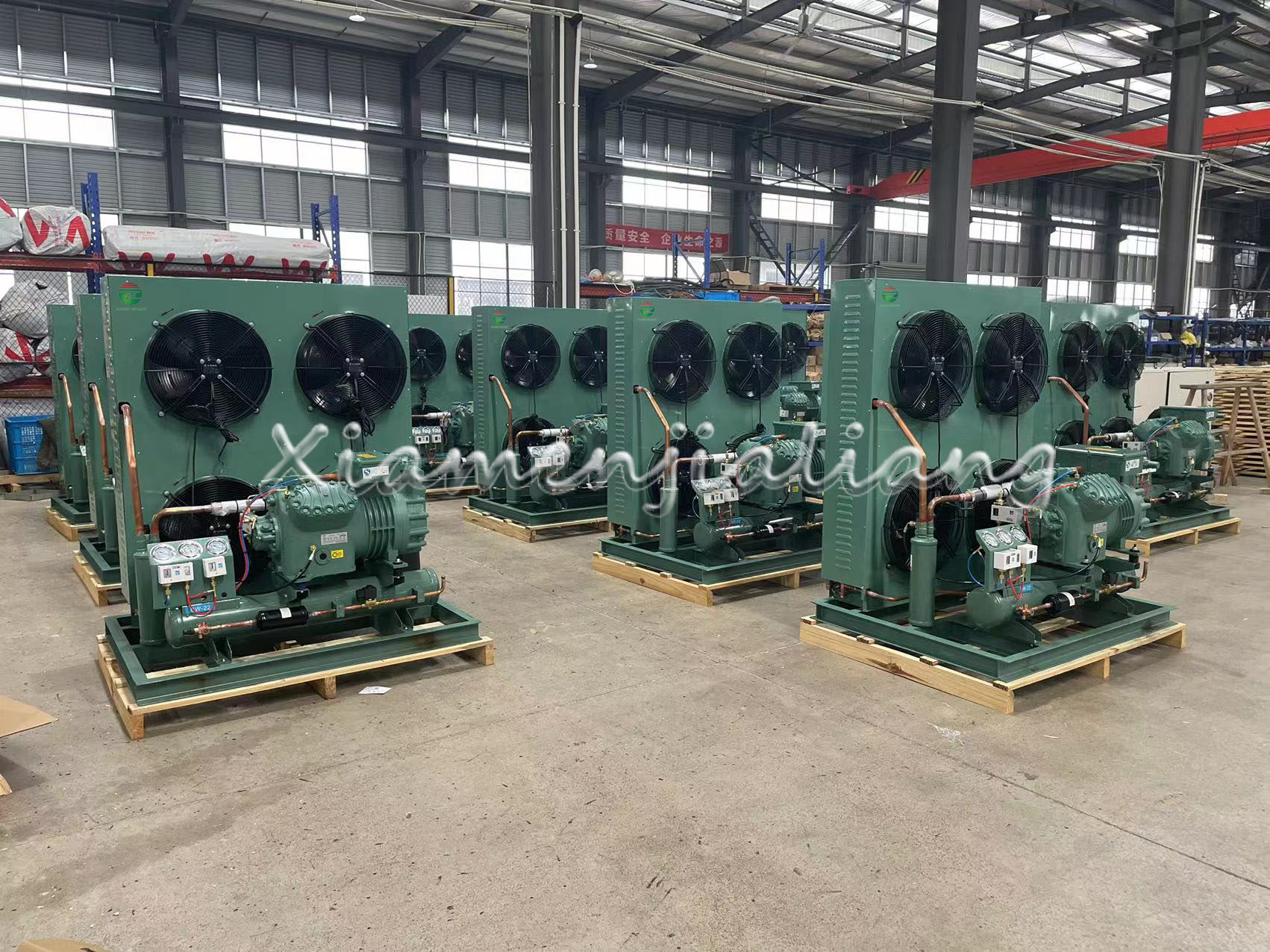
A condensing unit is a piece of equipment that comprises one or more refrigeration compressors, condensers, and essential auxiliary components. These auxiliary elements encompass a gas-liquid separator, oil separator, filter, sight glass, valve, shock absorber, and more.
Depending on the cooling approach employed, condensing units can be categorized into air-cooled and water-cooled units. Furthermore, based on the structural design of the refrigeration compressors, they can be classified into semi-enclosed and fully-enclosed units, which include piston-type and screw-type compressors, among others.
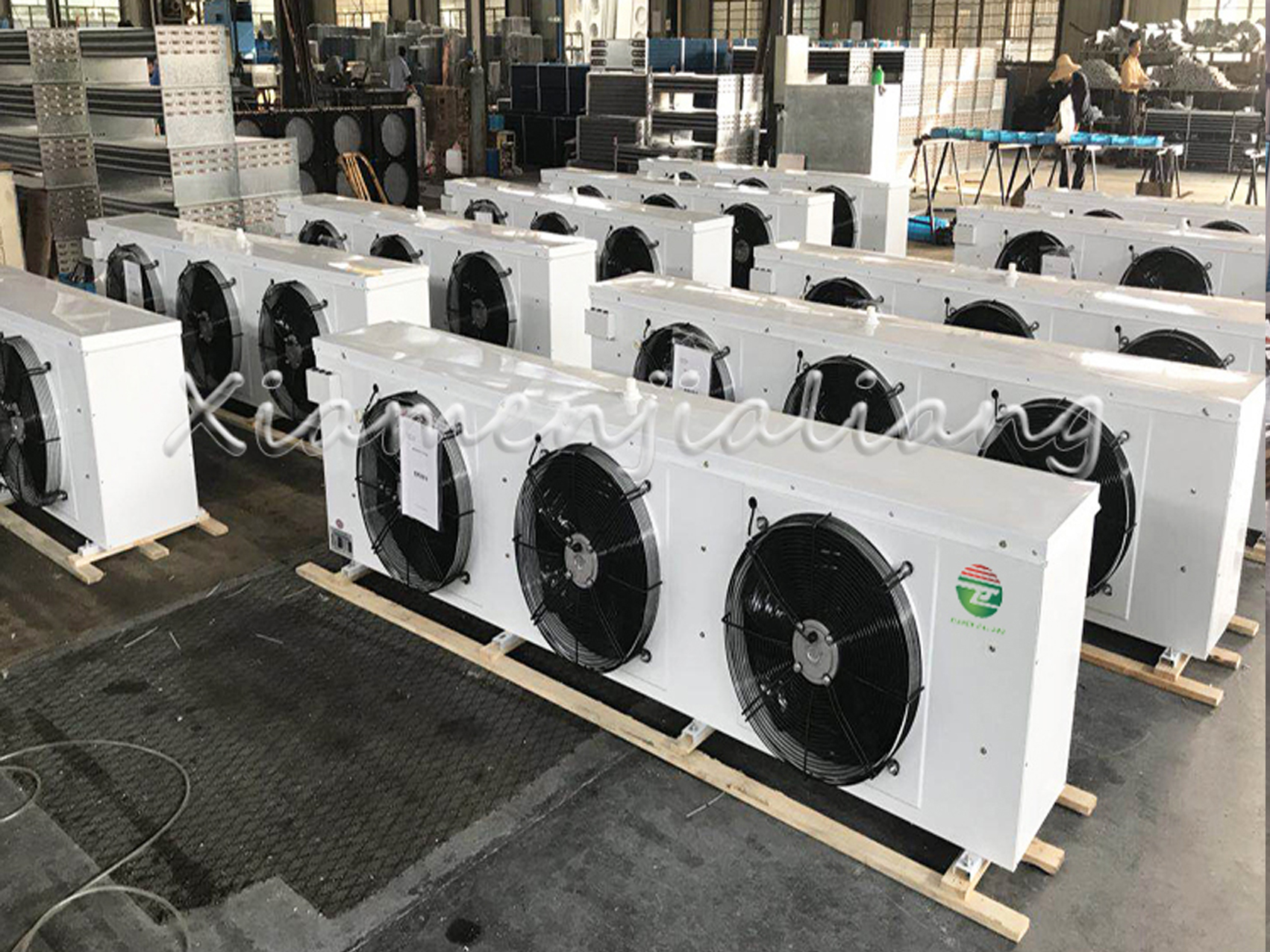
A cold room evaporator is a heat exchange component employed in refrigeration systems, notably in applications like cold storage. It functions as a wall-mounted heat exchange device and is available in three model series:
1. DD Series (Medium Temperature): Designed for use in environments with temperatures above -18°C.
2. DL Series (High Temperature): Tailored for applications where temperatures remain above 0°C.
3. DJ Series (Low Temperature): Specifically engineered for conditions where temperatures fall below -18°C.
Contact Us