Ice Storage Cold Room: A Reliable Solution for Commercial and Industrial Ice Storage
Cold Room for Ice Storage
Ice Storage Cold Room: A Reliable Solution for Commercial and Industrial Ice Storage
Ice is widely used in the food processing, seafood, beverage, hospitality and cold chain industries. For businesses that produce, distribute or use large quantities of ice, maintaining a stable storage environment is essential to minimizing melting, preserving ice quality and ensuring a consistent supply.
An ice storage cold room provides a temperature-controlled environment for storing ice blocks, ice cubes, tube ice, flake ice and packaged ice. With proper insulation, a suitable refrigeration system and efficient storage management, it helps businesses maintain ice inventory and reduce unnecessary product losses.
Whether you operate an ice factory, seafood processing plant, beverage distribution center or commercial food business, choosing the right ice storage solution is an important part of maintaining efficient daily operations.
1. What Is an Ice Storage Cold Room?
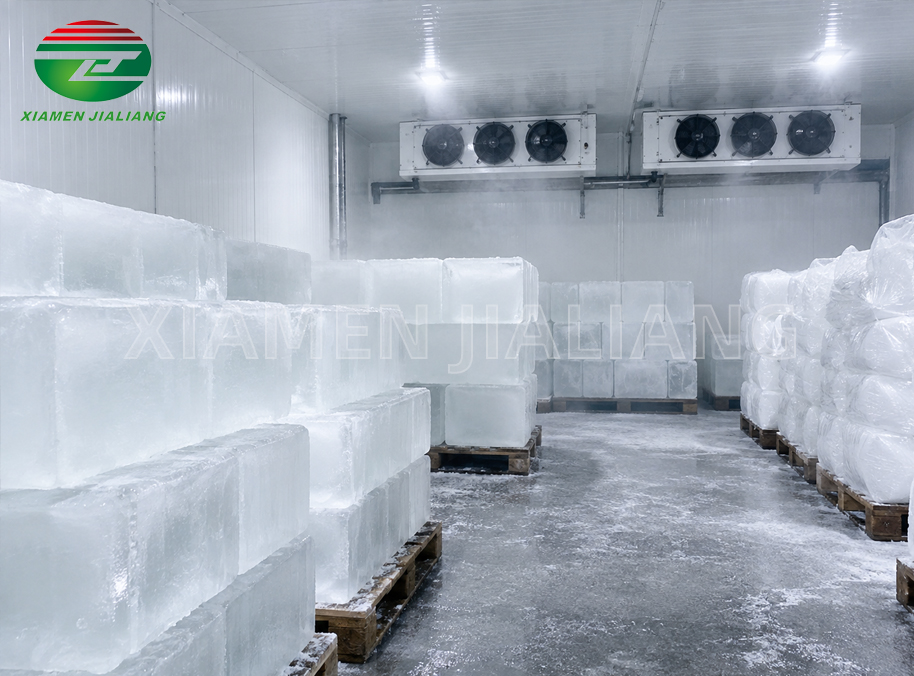
An ice storage cold room is a refrigerated enclosure specifically designed to store ice at temperatures below its melting point.
Unlike ordinary refrigerated rooms used for fresh produce or chilled beverages, an ice storage room is designed to maintain sub-zero temperatures and accommodate the loading, storage and unloading of ice.
Depending on the application, ice storage rooms can be designed for different types of ice, including:
Block Ice
Large ice blocks used in fisheries, seafood transportation, food processing and industrial cooling.
Cube Ice
Commonly used in restaurants, hotels, bars, supermarkets and beverage services.
Tube Ice
Suitable for commercial ice distribution, beverage cooling and industrial applications.
Flake Ice
Frequently used for seafood preservation, fish processing and other applications requiring rapid cooling.
A properly designed storage room helps accommodate different ice shapes, packaging methods and daily inventory requirements.
2. What Is the Recommended Temperature for Ice Storage?
Temperature control is one of the most important factors in ice storage.
Although ice melts at approximately 0°C under normal atmospheric pressure, a commercial ice storage room should generally operate below this temperature to accommodate door openings, incoming ice and changes in ambient conditions.
For many commercial ice storage applications, an operating temperature of approximately -5°C to -10°C (23°F to 14°F) can serve as an initial design reference. This range is not a universal requirement, and the final setting should be determined according to the specific application.
For longer storage periods or applications requiring lower temperatures, a lower operating setpoint may be appropriate.
The recommended temperature depends on several factors, including the type of ice, incoming ice temperature, packaging, storage duration, daily loading frequency and local climate.
Maintaining stable temperatures helps minimize melting and refreezing, reduce ice clumping and preserve product quality during storage and distribution.
3. Applications of Ice Storage Cold Rooms
Ice Factories and Distribution Centers
Ice factories require reliable storage facilities to manage inventory between production and distribution. An ice storage cold room helps maintain a continuous supply while accommodating changes in customer demand.
Seafood and Fisheries
Ice is commonly used during fish handling, processing and transportation. A dedicated storage room keeps a reserve of ice available for daily seafood operations.
Beverage and Hospitality Industries
Restaurants, hotels, bars and beverage distributors require a consistent ice supply. Commercial ice storage helps support beverage preparation, event services and peak-season demand.
Food Processing and Cold Chain Logistics
Ice storage facilities support businesses that use ice for product cooling, temperature management and refrigerated transportation.
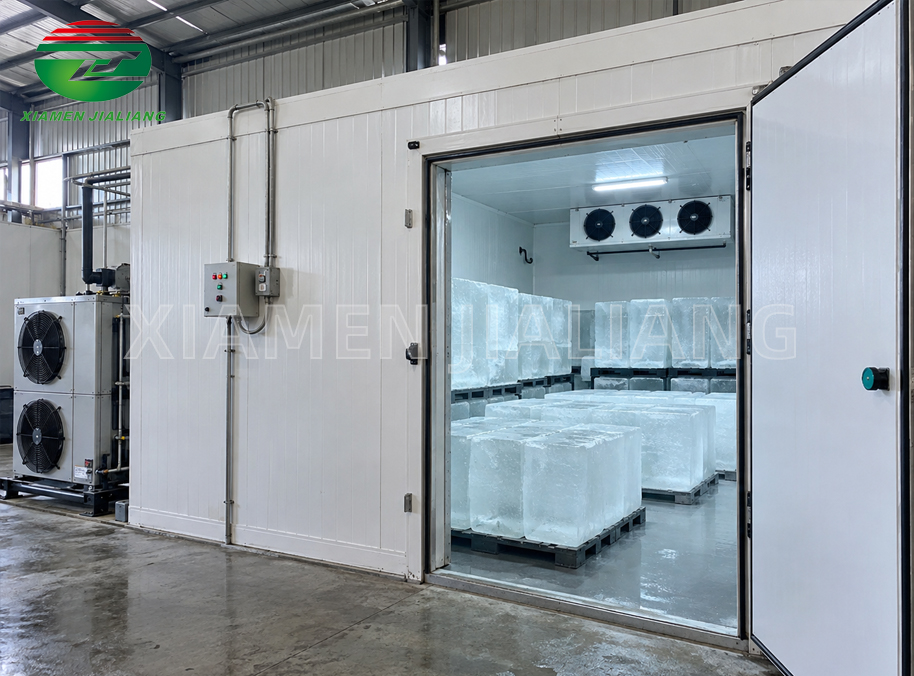
4. How to Choose the Right Ice Storage Cold Room
Choosing an ice storage cold room requires more than simply selecting its dimensions or operating temperature.
A suitable design should consider the following factors.
Ice Storage Capacity
Determine the maximum quantity of ice that needs to be stored at one time. Consider daily ice production, delivery schedules, peak demand and the expected storage period.
Ice Type and Packaging
Ice blocks, ice cubes, tube ice and flake ice have different handling and storage requirements. The use of bags, bins, pallets or bulk storage systems will also affect the internal layout.
Room Size and Loading Arrangement
The cold room should provide sufficient space for ice storage and practical access for loading and unloading. Storage racks, aisles and equipment clearance should be considered when determining the required dimensions.
Local Climate and Installation Conditions
Ambient temperature, installation location and available power supply affect refrigeration system selection and insulation requirements.
Energy Efficiency and Maintenance
Appropriate insulation, well-sealed doors, correctly sized refrigeration equipment and regular maintenance can help reduce energy losses and support stable operation.
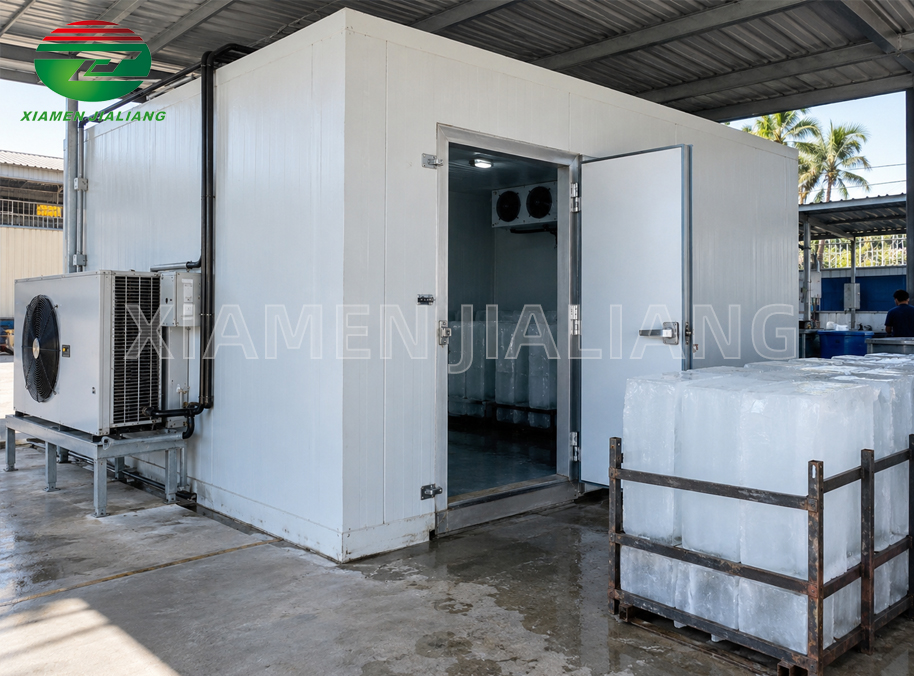
5. How to Reduce Ice Melting During Storage
Effective ice storage requires both suitable equipment and good operating practices.
The following measures can help minimize ice loss and maintain storage quality:
Maintain a stable storage temperature and monitor operating conditions regularly.
Minimize unnecessary door openings and reduce the time spent loading and unloading ice.
Keep ice properly packaged or stored in suitable containers to prevent contamination.
Avoid overloading the room or blocking the evaporator's airflow.
Inspect door seals, refrigeration equipment and the defrost system regularly.
Organize ice inventory according to production and distribution schedules.
For drinking ice and other edible ice products, hygienic handling is essential. Ice should be stored in clean, food-safe containers and handled with clean utensils.
A well-managed cold room can help reduce avoidable melting losses and support reliable ice distribution.
Conclusion
An ice storage cold room is an essential solution for businesses that require reliable, temperature-controlled ice storage.
With suitable insulation, reliable refrigeration equipment and an efficient internal layout, a properly designed cold room can help reduce ice melting, preserve product quality and improve daily storage and distribution operations.
For ice factories, seafood processors, beverage suppliers and industrial users, selecting a customized ice storage solution is an important step toward maintaining a dependable ice supply.
For more information, please visit www.coldroomjl.com