How to Maintain a Cold Room Daily: A Practical Maintenance Guide
Maintain a Cold Room Daily
How to Maintain a Cold Room Daily: A Practical Maintenance Guide
A cold room is an essential refrigeration solution for maintaining stable temperatures and preserving the quality of temperature-sensitive products. Whether it is used for food, meat, seafood, fruits, vegetables, flowers, beverages, or other commercial products, proper maintenance can improve refrigeration efficiency, reduce energy consumption, prevent unexpected failures, and extend the service life of the equipment.
Regular cold room maintenance does not always require complicated procedures. Many potential problems can be identified and prevented through simple daily inspections.
Below are some practical tips for maintaining a cold room in daily operation.
1. Check the Cold Room Temperature Regularly
Temperature is one of the most important indicators of cold room performance.
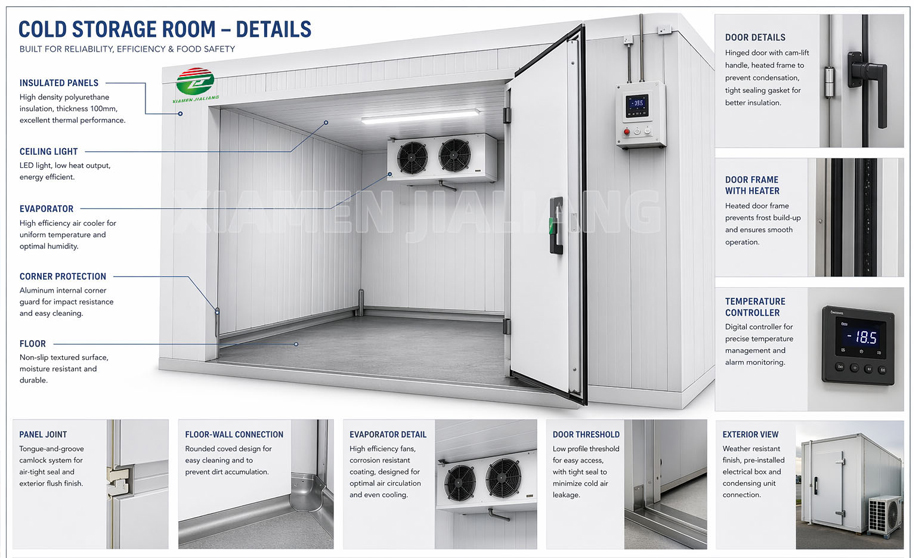
Operators should check the temperature display every day and confirm that the actual temperature remains within the required range. If the temperature fluctuates significantly or takes too long to return to the set point, the refrigeration system should be inspected.
Possible causes of abnormal temperature include:
1.Frequent opening of the cold room door
2.Poor door sealing
3.Excessive product loading
4.Blocked evaporator airflow
5.Frost buildup on the evaporator
6.Refrigeration unit malfunction
7.Incorrect temperature controller settings
For better management, it is recommended to keep regular temperature records.
2. Keep the Cold Room Door Properly Closed
Frequent or prolonged door opening allows warm and humid air to enter the cold room.
This not only increases the cooling load but may also cause excessive frost formation on the evaporator.
During daily operation:
1.Keep the door closed when not in use.
2.Avoid leaving the door open for long periods.
3.Check whether the door gasket is damaged or loose.
4.Make sure the door closes completely.
5.Replace damaged sealing strips when necessary.
A properly sealed cold room can significantly reduce unnecessary energy loss.
3. Clean the Condenser Regularly
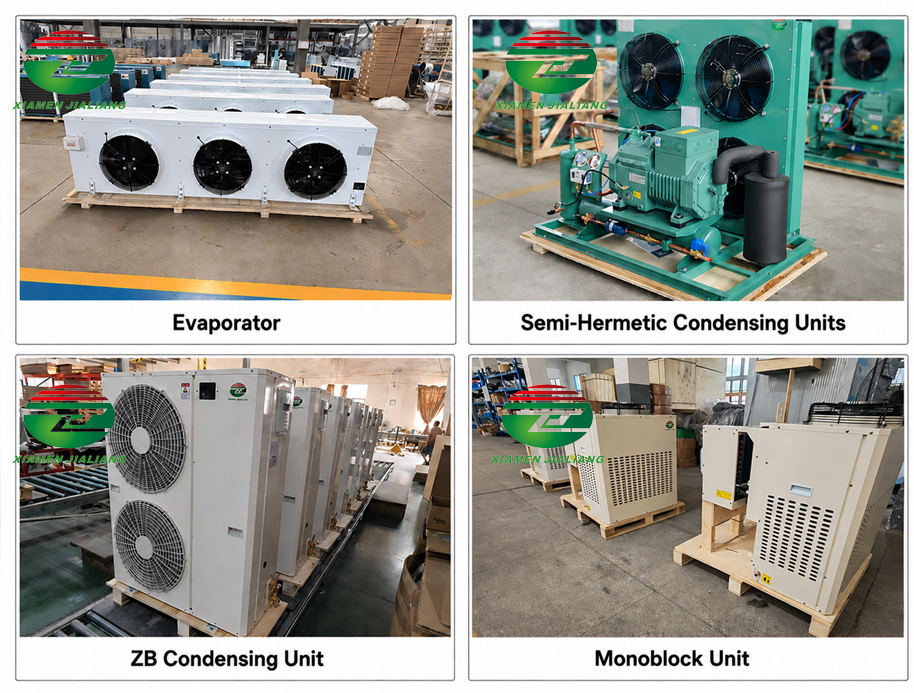
The condenser plays an important role in releasing heat from the refrigeration system.
Dust, dirt, leaves, oil, and other debris may accumulate on the condenser surface, especially when the condensing unit is installed outdoors or in a dusty environment.
A dirty condenser may cause:
1.Higher condensing pressure
2.Increased power consumption
3.Reduced refrigeration efficiency
4.Compressor overheating
5.Shorter compressor service life
The condenser should therefore be checked and cleaned regularly according to the operating environment.
Always switch off the power before cleaning refrigeration equipment.
4. Check the Evaporator and Remove Excessive Frost
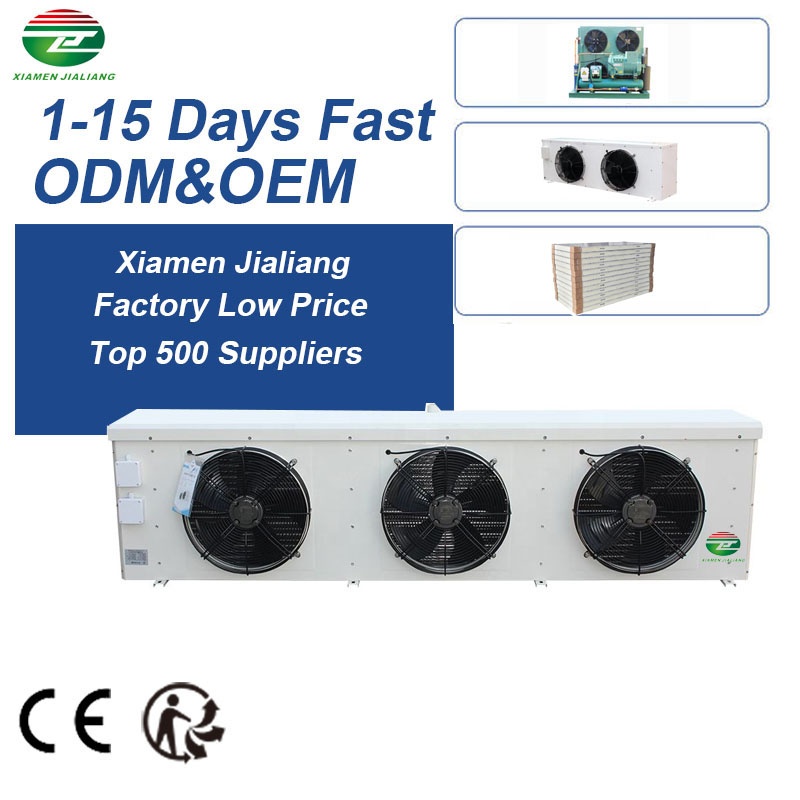
The evaporator is responsible for absorbing heat inside the cold room.
A small amount of frost may be normal, especially in freezer applications. However, excessive ice or frost can block airflow and reduce cooling efficiency.
Check the evaporator regularly for:
1.Excessive frost
2.Ice accumulation
3.Blocked air passages
4.Abnormal fan operation
5.Water leakage
6.Unusual noise
If heavy frost repeatedly occurs, check the defrost system, door sealing, drainage system, and operating conditions.
5. Do Not Block the Airflow
Good air circulation is necessary for maintaining a uniform temperature throughout the cold room.
Products should not be placed directly against the evaporator or completely cover the air inlet and outlet.
It is recommended to leave enough space:
1.Between products and the evaporator
2.Between products and walls
3.Between stacked goods
4.Around air supply and return areas
Proper product arrangement allows cold air to circulate more evenly and improves refrigeration performance.
6. Check the Refrigeration Unit
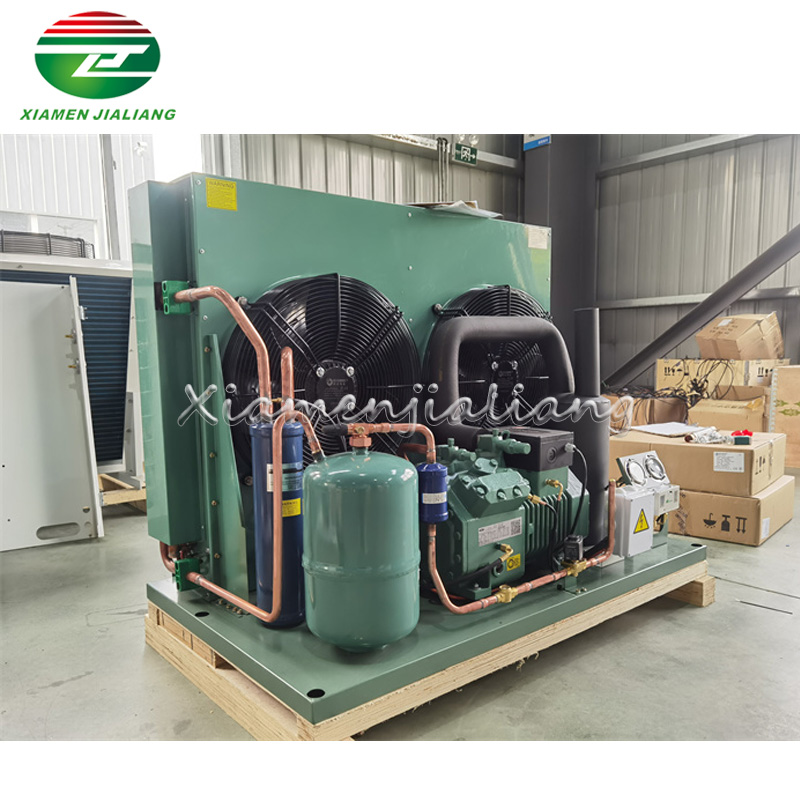
The condensing unit and compressor are key components of the cold room refrigeration system.
During routine inspections, pay attention to:
1.Unusual vibration
2.Abnormal noise
3.Oil leakage
4.Refrigerant leakage
5.Excessive heat
6.Loose electrical connections
7.Frequent compressor starts and stops
If unusual operating conditions are found, professional refrigeration technicians should inspect the system as soon as possible.
Do not continue operating equipment when there is an obvious mechanical or electrical fault.
7. Check the Drainage System
Condensation and defrost water must be discharged properly.
Blocked drainage pipes may result in water accumulation, ice formation, unpleasant odors, or slippery floors.
Regularly inspect:
1.Drain holes
2.Drain pipes
3.Drain pans
4.Floor drainage
5.Defrost water outlets
Keep the drainage system clean and unobstructed.
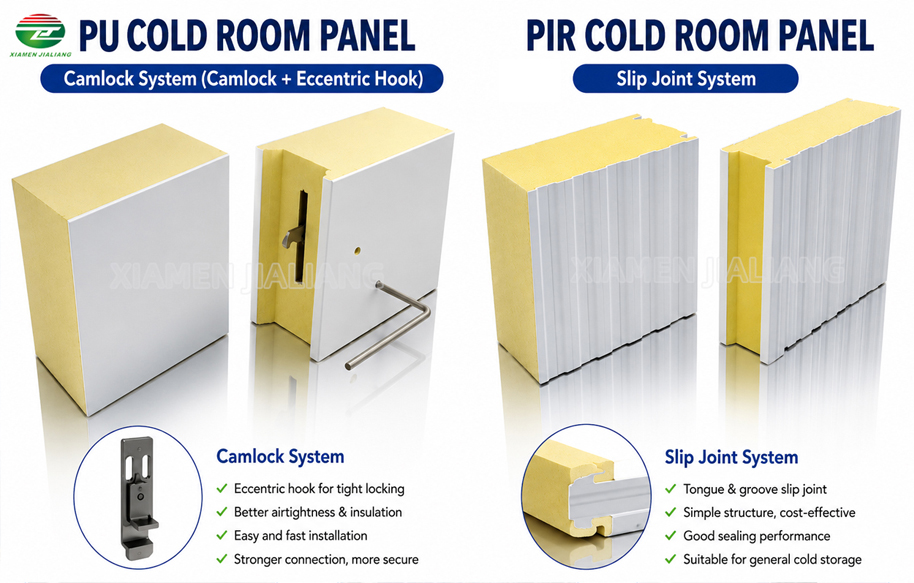
8. Inspect the Cold Room Panels
Cold room panels provide thermal insulation.
Check the panels regularly for:
1.Damage
2.Cracks
3.Loose joints
4.Deformation
5.Gaps between panels
6.Damaged sealing material
If the insulation structure is damaged, warm air may enter the cold room and increase refrigeration energy consumption.
Early repair can help maintain good insulation performance.
9. Check Electrical Components
Electrical safety is another important part of cold room maintenance.
Regular inspections should include:
1.Electrical control panel
2.Circuit breakers
3.Contactors
4.Wiring terminals
5.Temperature controllers
6.Sensors
7.Lighting systems
If there is a burning smell, abnormal heat, discoloration, loose wiring, or frequent circuit protection trips, stop the equipment and arrange professional inspection.
Electrical maintenance should be carried out by qualified personnel.
Final Thoughts
Proper cold room maintenance can help maintain stable temperatures, improve refrigeration efficiency, reduce electricity consumption, and extend the service life of refrigeration equipment.
The most important principle is to identify small problems before they become major failures.
Regular temperature checks, condenser cleaning, evaporator inspection, door seal maintenance, proper loading, and professional preventive servicing can significantly improve the long-term reliability of a cold room.
If you are planning a new cold room project or need technical support for refrigeration equipment, our team can provide customized cold room solutions according to your required room size, storage temperature, product type, ambient temperature, voltage, and project location.
Contact us for more information about cold room systems, refrigeration units, insulated panels, and customized cold storage solutions.
Our website is www.coldroomjl.com